Bharat Biotech announces equitable malaria vaccine pricing with Gavi and UNICEF to protect 1 million more children
Oct 23, 2026
Hyderabad (Telangana) [India], October 23 : Bharat Biotech International Limited (BBIL) today announced equitable pricing with Gavi, the Vaccine Alliance, and UNICEF for the world’s first malaria vaccine RTS, S/AS01, developed by GSK and now manufactured by BBIL under the brand name Mosqivac®️.
The agreement, executed by UNICEF and financially backed by Gavi, the Vaccine Alliance, will cut the price of the vaccine by approximately 40 per cent. This will generate around US$50 million in savings to child immunisation programmes between 2027 and 2029 and reach up to one million more children with the full four-dose course.
The agreement, enabled through an advance payment by the International Finance Facility for Immunisation (IFFIm), will bring the price of the vaccine to EUR 5.50 per dose, a reduction of approximately 40 per cent from the price paid today. The lower price, expected to take effect by early 2027, reflects sustained efforts to shape a more sustainable and competitive malaria vaccine market.
RTS, S/AS01, developed by GSK, PATH and partners, was the first ever malaria vaccine to be recommended by the WHO in 2021. Since then, GSK and Bharat Biotech have invested $200 million in new, higher-output manufacturing facilities, product development and technology transfer to expand and strengthen supply at a lower cost. These investments are supporting access to a vaccine, helping to advance its potential public-health impact.
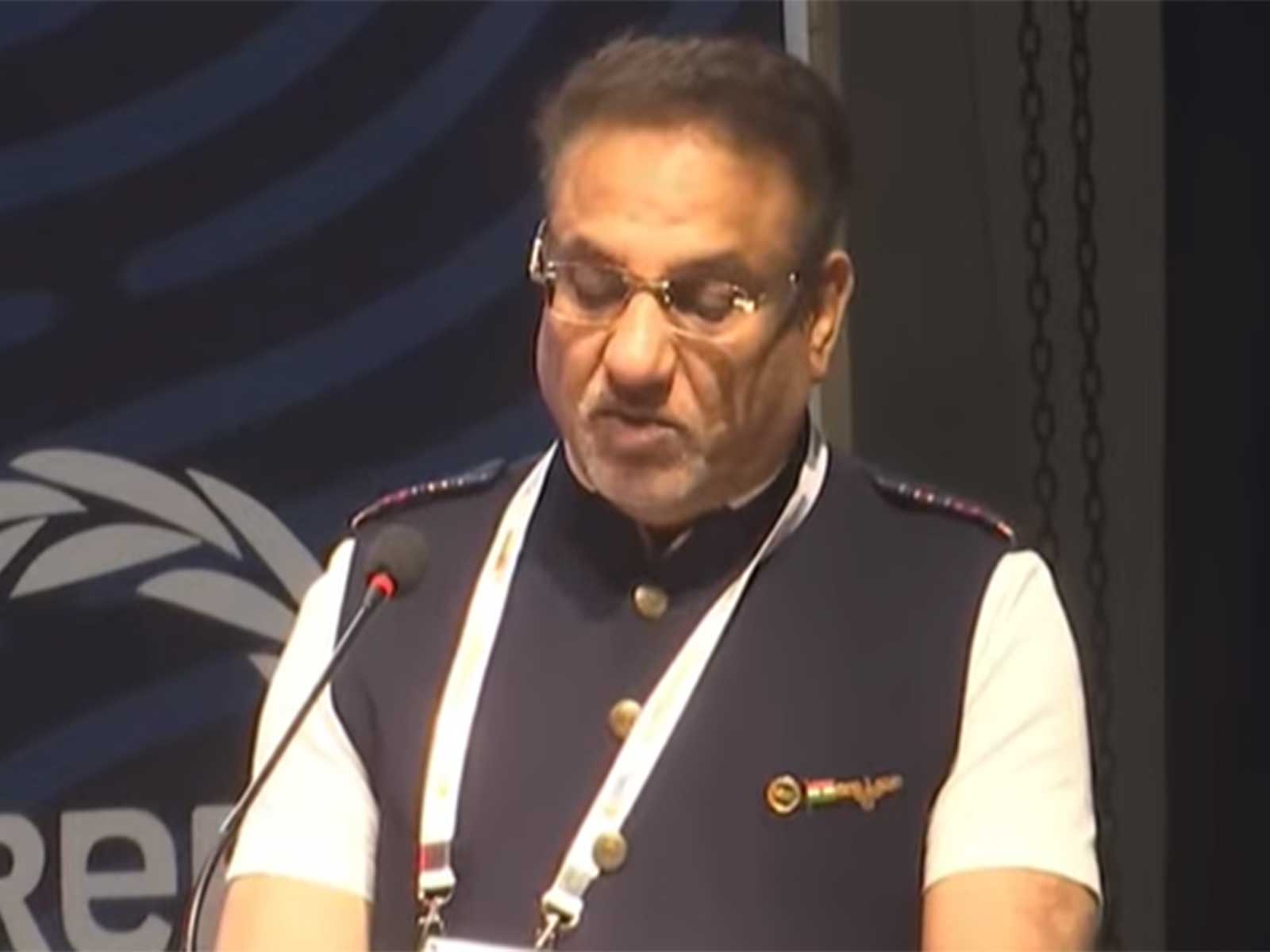
“The Gavi–UNICEF deal is a far-reaching commitment to expand malaria vaccination and, according to Gavi/UNICEF estimates, can help ensure one million more children are protected from malaria. As partners in global public health, we have invested significantly to expand supply, strengthen manufacturing and support sustainable, affordable access to malaria vaccines,” Dr. Krishna Ella, Executive Chairman of Bharat Biotech International, said.
“The opportunity is to turn this progress into public health. Countries and global organisations now have an important role to play in accelerating vaccine introductions so that more children and communities at risk can benefit. We remain committed to working with partners to help make that happen and reduce the burden of malaria,” Dr Ella added.
Dr Harmony P Garges, GSK’s Chief Global Health Officer, said, "This new agreement follows major investment by both GSK and BBIL to help secure long-term equitable access to RTS, S/AS01 for many more children. At a time when global health resources are under increasing pressure – both for international organisations and for countries – partnership matters more than ever and this deal with Gavi–UNICEF further demonstrates how close collaboration across the global health landscape can help deliver real impact for children most at risk of malaria."
Demand for malaria vaccines has exceeded initial forecasts since rollout began in 2024. To date, more than 74 million doses have been procured and delivered by UNICEF. The Gavi-funded malaria program is now part of routine immunisation in 25 African countries that bear more than 70 per cent of the global malaria burden. At a time of unprecedented decline in funding for international aid, efforts to create affordable and sustainable supply are critical to meet the Alliance’s target to vaccinate 50 million more children against malaria by 2030.
One child dies from malaria every minute, equating to nearly half a million deaths each year. In 2024, there were an estimated 282 million malaria cases and 610,000 deaths globally – with up to 95 per cent of cases for both occurring in Africa – and around 74 per cent of deaths in that region are among children under five.
A full immunisation course of four doses of RTS, S/AS01 reduces malaria cases by about 75 per cent when given seasonally in areas of high seasonal transmission. New and improved malaria vaccines will be increasingly important as rising temperatures alter transmission patterns and push malaria into new areas, and as flooding and other extreme events displace communities, damage infrastructure, and disrupt health systems.
Vaccines are one of several malaria interventions, alongside insecticide-treated nets, spatial emanators, repellents, and other vector control interventions, chemoprevention, and prompt diagnosis and treatment.