Bhojshala-Kamal Maula complex dispute: SC to hear on July 24 plea alleging namaz site 2km away from complex
Jul 22, 2026
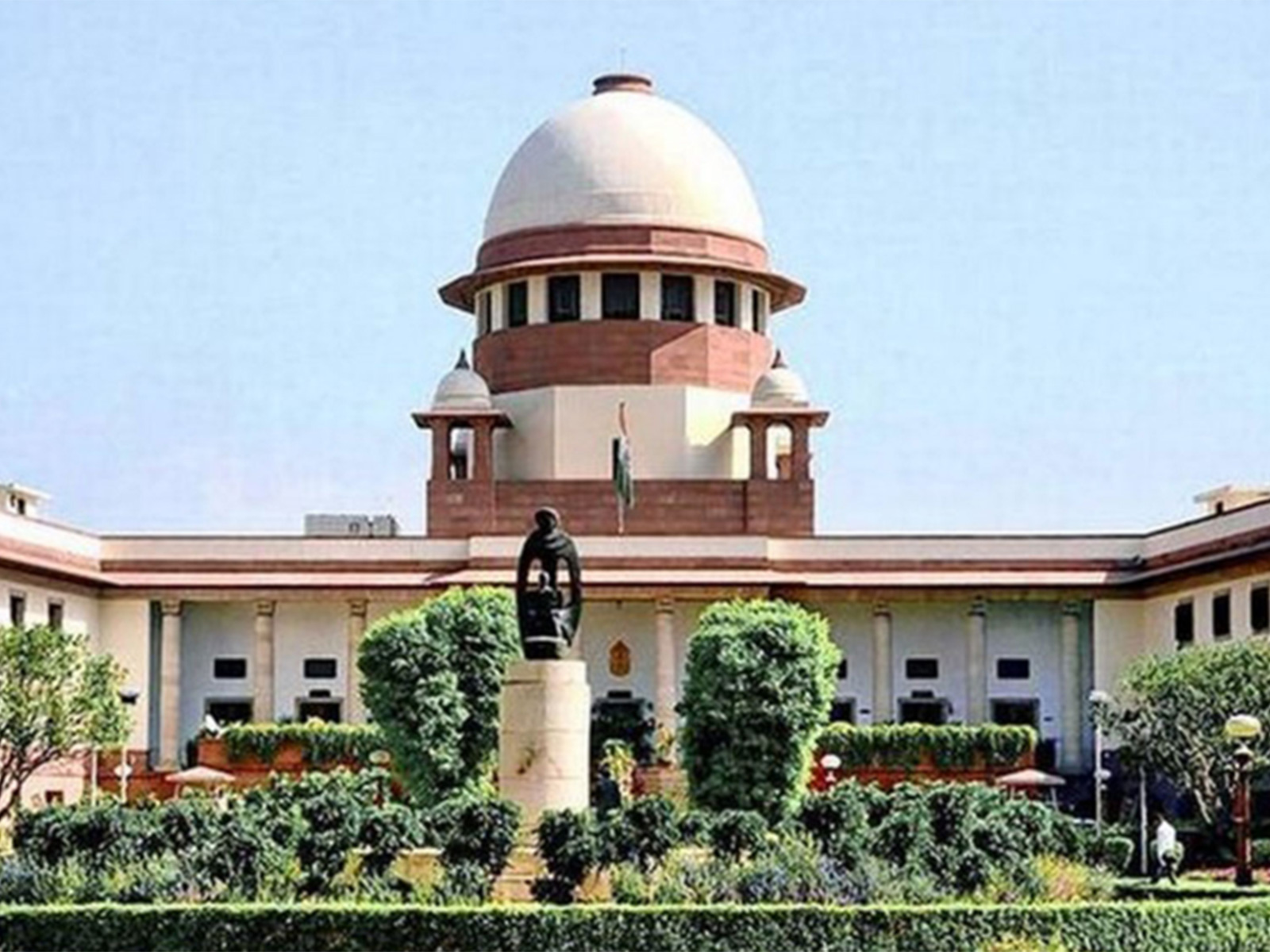
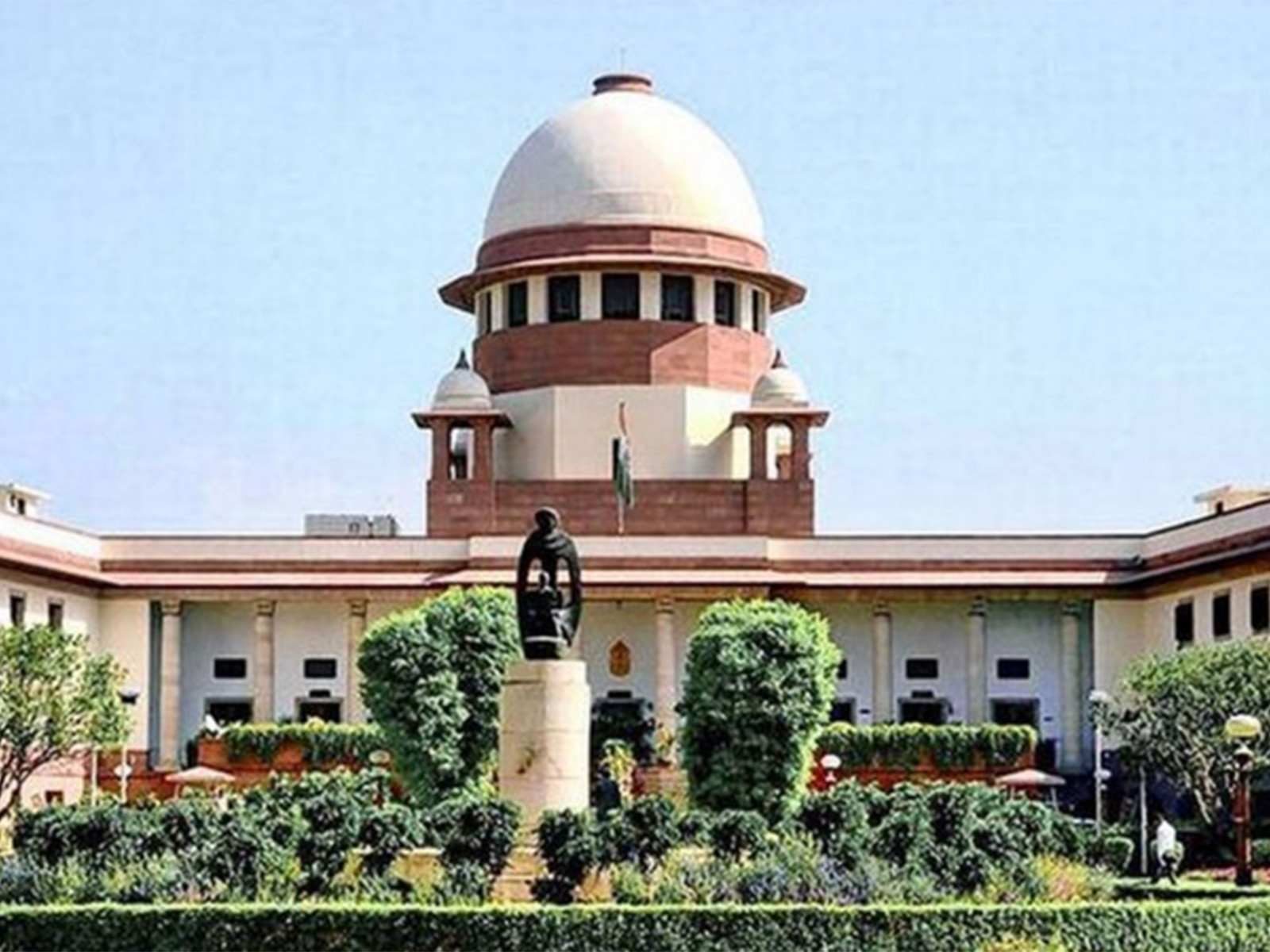
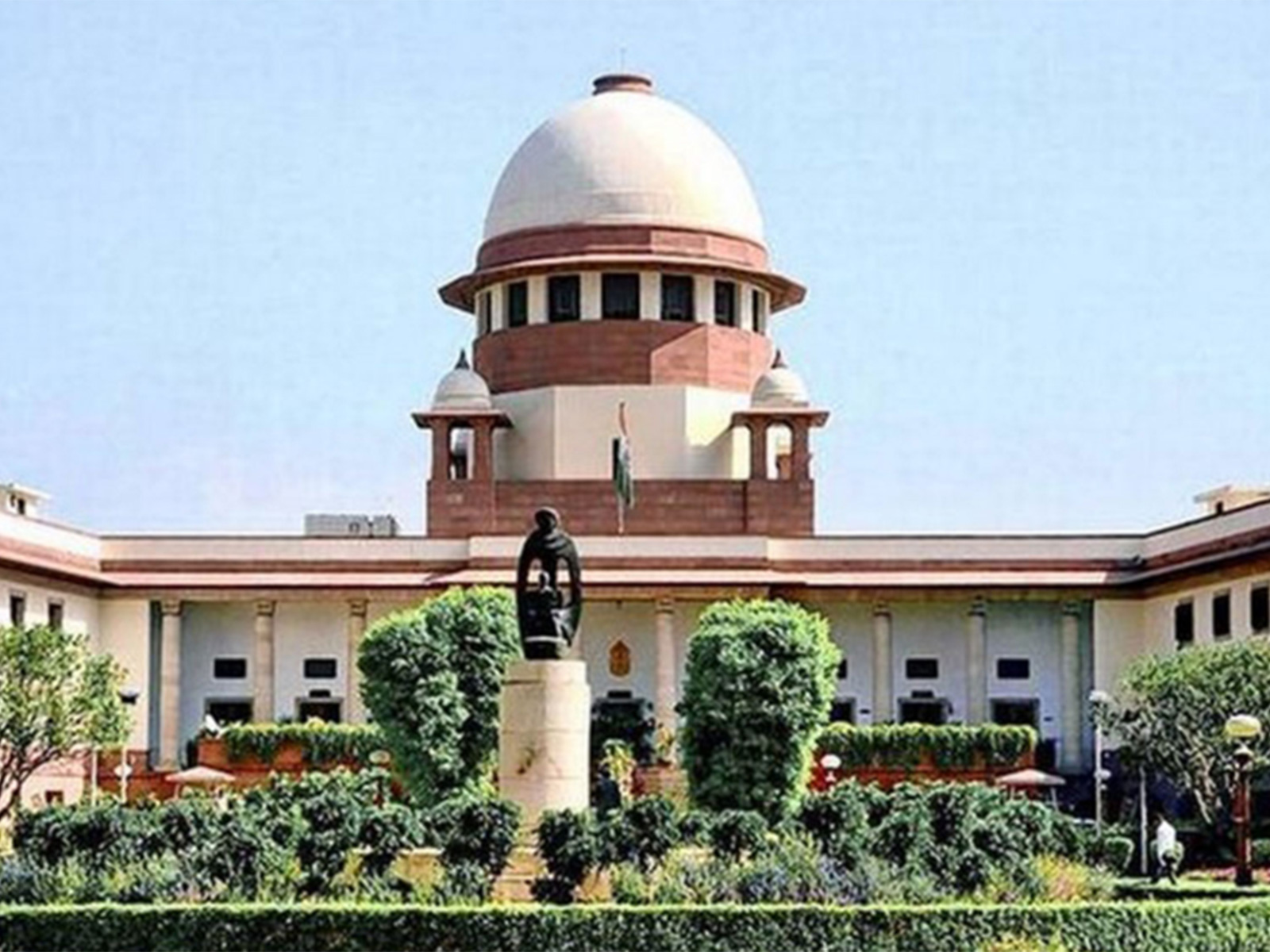
New Delhi [India], July 22 : The Supreme Court on Wednesday agreed to hear on July 24 an application filed by the Muslim side alleging that the alternate site, directed by the apex court to be allocated for offering of namaz by Muslims, has been provided two kms away from the complex.
Senior advocate Huzefa Ahmadi said that the land which was to be granted near the Bhojshala complex was two kms away from the site, while mentioning before a bench headed by Chief Justice of India Surya Kant to urgently list the application.
"The order was that land should be near the Bhojshala site. The land given for Friday prayer is two kms away. We have missed one Friday prayer already," he added.
Solicitor General Tushar Mehta, appearing for the Madhya Pradesh government, said that the site allocated is 900m away from the complex but assured the bench, also comprising Justices Joymalya Bagchi and V Mohana, that authorities are finding a nearby site.
"I have asked them to identify a nearby site, and the process is going on," Solicitor General told the bench.
The bench reminded SG that the court had given a direction and an adjacent site with a complex was to be provided for namaz.
"We can list on Friday. Meanwhile, you find an alternate place adjacent to the site," said the bench.
Last week, the apex court issued notice to the Madhya Pradesh government, the Hindu parties and the Archaeological Survey of India (ASI) on a batch of appeals filed by the Muslim side challenging the Madhya Pradesh High Court verdict, which held the disputed 11th-century Bhojshala-Kamal Maula complex in Dhar district as a temple dedicated to Goddess Saraswati.
While declining to stay the High Court judgment or restore the 2003 ASI arrangement governing worship at the site, the apex court passed an interim arrangement to facilitate Friday prayers for the Muslim community.
It had said that it will examine the case and, in the meanwhile, as an interim measure a separate open space adjacent to the complex may be provided to the Muslim community for offering namaz on Friday between 1-3 pm.
The top court further directed that the ASI shall not undertake any structural alterations at the disputed complex without its permission.
A batch of appeals was filed by the Muslim side challenging the Madhya Pradesh High Court verdict, which held the disputed Bhojshala complex in Dhar district as a temple dedicated to Goddess Saraswati.
Qazi Moinuddin, the mosque's caretaker and one of the intervenors in the case, and others have filed an appeal against the High Court order in the top court.
The High Court on May 15 had ruled that the disputed Bhojshala-Kamal Maula Mosque complex is a temple dedicated to Goddess Saraswati and also set aside an April 7, 2003 Archaeological Survey of India (ASI) order that had allowed the Muslim community to offer Friday prayers at the site.
The High Court had allowed the Muslim community to approach the State government for an allotment of separate land in the district for the construction of a mosque.
It had also said that the Centre and the ASI could decide the administration and management of the Bhojshala complex, a 11th-century protected monument under the Ancient Monuments and Archaeological Sites and Remains Act, 1958.
The High Court held that the religious character of the disputed complex was that of Bhojshala, a temple associated with Goddess Vagdevi Saraswati and linked to Parmar ruler Raja Bhoj, who is credited with turning Dhar into a centre of Sanskrit learning.
The site is claimed by the Hindu community as Bhojshala, a temple dedicated to Goddess Saraswati, while the Muslim side identifies it as the Kamal Maula Mosque.
After the order of the High Court, Muslim parties in the case approached the top court challenging the order. Anticipating a challenge to the verdict, Hindu parties have also filed caveats in the apex court, seeking that no order be passed on any appeal in the case without hearing them.
A Hindu group had approached High Court in 2022 seeking a scientific survey to determine the religious character of Bhojshala. ON March 11, 2024, the High Court ordered a survey between March 22 and June 30 at the one-acre site.
The ASI report of the survey, e.g., concluded that the monument was built from the remains of earlier temples, and that the existing mosque structure was erected centuries later, as evidenced by inscriptions, sculptural fragments, and architectural remains.