"Biggest opponent, obstacle": Iran FM accuses Israel of sabotaging ceasefire deal with US
Aug 18, 2026
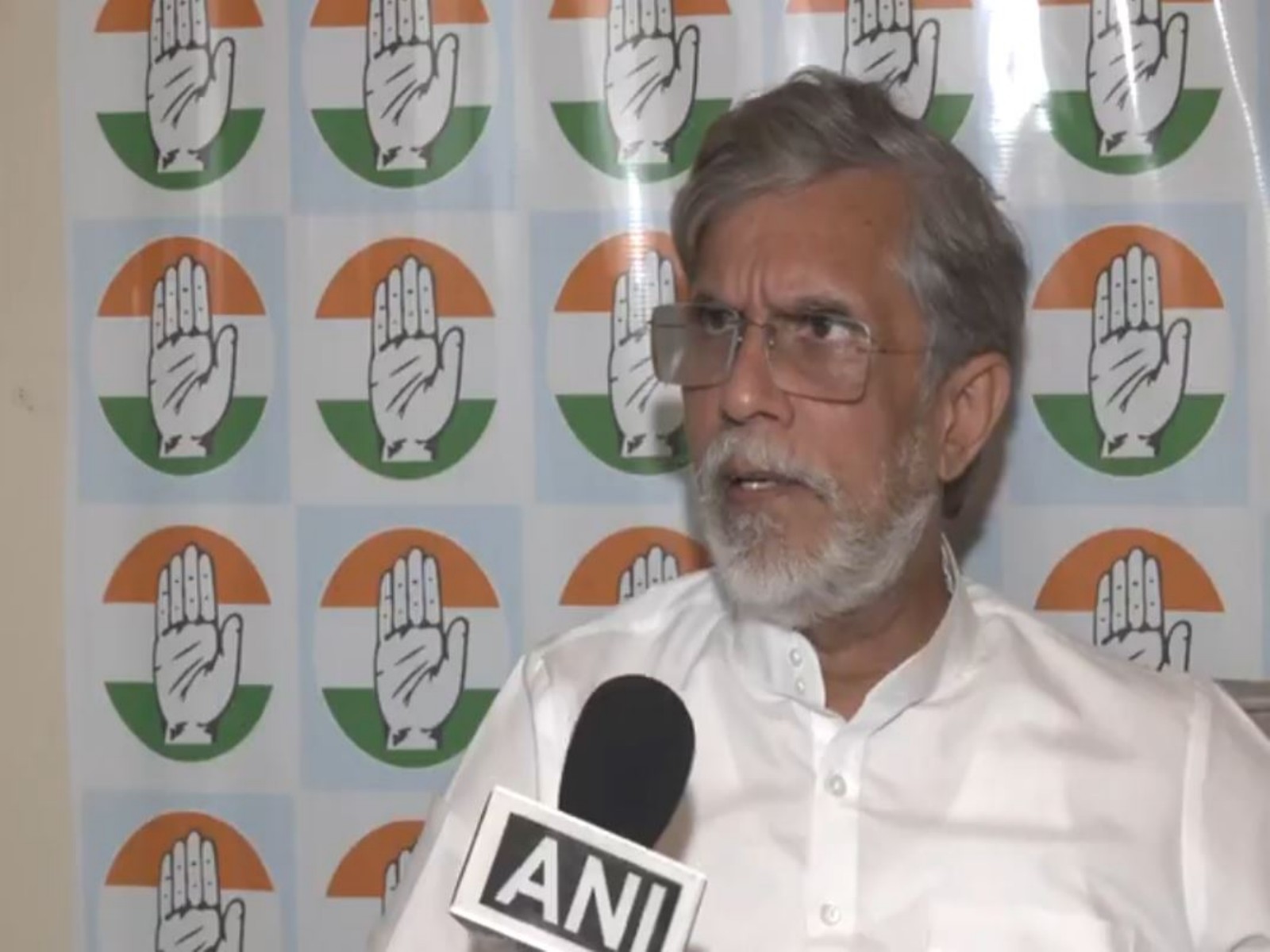
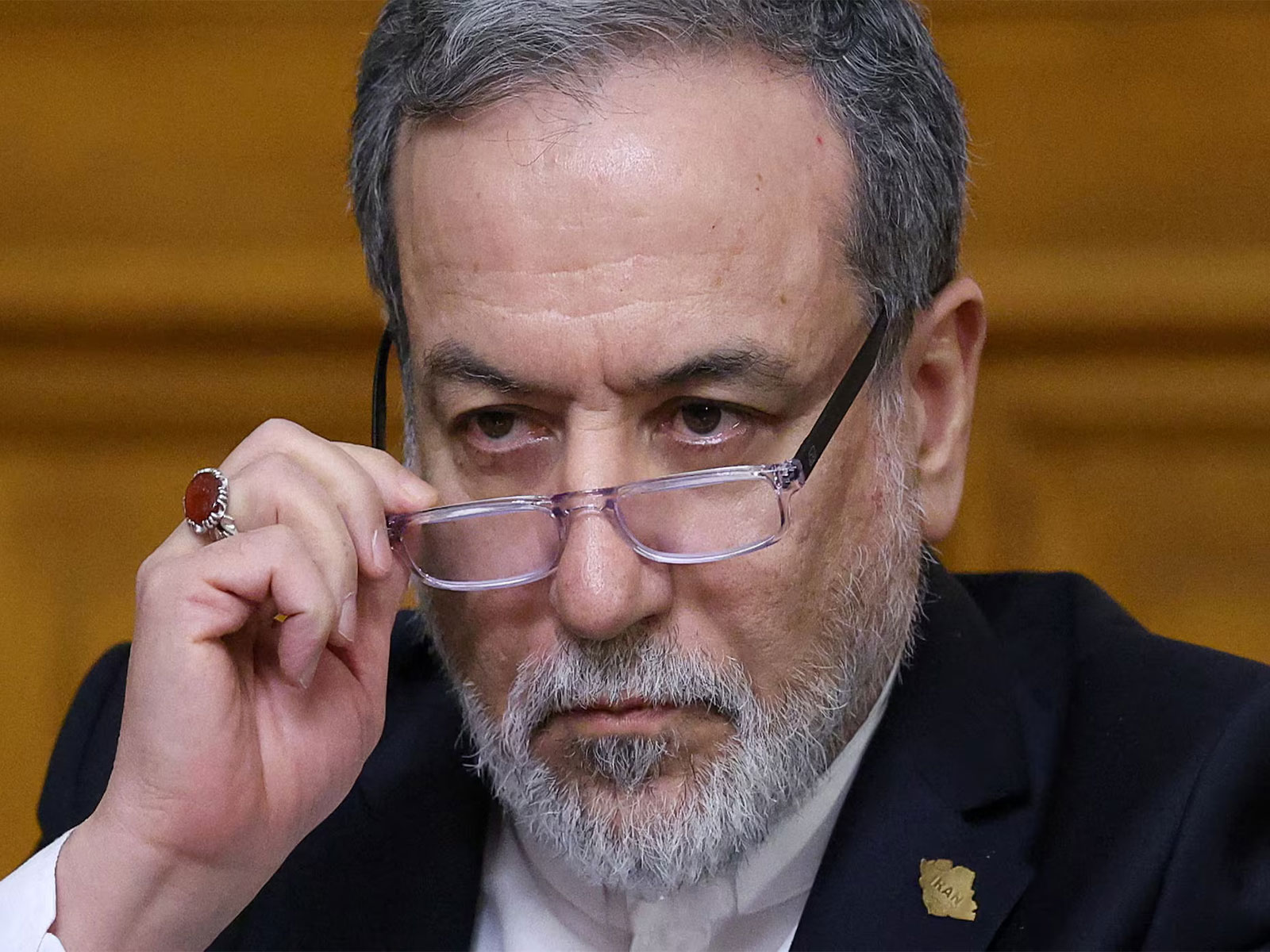
Tehran [Iran], August 18 : Iranian Foreign Minister Abbas Araghchi on Tuesday accused Israel of actively sabotaging diplomacy, calling the country "the biggest opponent and obstacle" to the implementation of a ceasefire understanding with the US, Iranian news agency ISNA reported.
"The biggest opponent and obstacle to the implementation of the memorandum of understanding was and is the Zionist regime [Israel]," Araghchi said.
"They did their best to prevent such an understanding from happening, they did their best to make this understanding fail, and they did their best to prevent it from being implemented, and they are still continuing this effort," he added.
Araghchi claimed that several ambassadors had told him that almost all clauses of the memorandum of understanding (MoU) were in Iran's favour, with only a small part benefiting the other side.
"You witnessed that less than two weeks later, they started violating the memorandum of understanding because everything that was stated in the memorandum of understanding was in line with Iran's interests," he said.
The Iranian foreign minister also said several foreign ministers had told him that "You [Iran] won both the war and diplomacy."
"We fought with authority and negotiated with authority," Araghchi said, adding that the outcome was not a personal victory or one belonging to the Foreign Ministry.
"We were its instruments. This was the victory of the Iranian people," he said.
Araghchi said Iran's "resistance" during the conflict had forced the opposing side to accept its demands. "Therefore, when we say that we won diplomacy, it is clear that Iran has won; not the Ministry of Foreign Affairs, not even the government, but all of us together," he said.
"The achievements of power are consolidated and consolidated by diplomacy. Diplomacy picks the flowers of power," Araghchi added.
On the negotiations that led to the ceasefire, Araghchi said the US initially sought Iran's "unconditional surrender" but failed to achieve that objective.
"The illusion of 'unconditional surrender' did not come true," he said.
"You remember that in the early days of the war, the US President said in a short message: 'Unconditional surrender.' That is, their entire goal was this: unconditional surrender of Iran. Iran did not surrender," Araghchi said.
He claimed that after failing to secure Iran's surrender, attempts were made to pursue regime change, divide Iran and arm groups inside the country, but "this did not work either."
Araghchi said those who had sought Iran's unconditional surrender subsequently sought negotiations. "Those who sought unconditional surrender begged for negotiations shortly after the war began," he said.
He said Iran continued fighting until the US accepted a ceasefire and negotiations on Iran's terms, adding that both sides exchanged and revised multi-point proposals before eventually agreeing to negotiate based on Iran's proposal.
"That was when Iran accepted the ceasefire," Araghchi said, adding that negotiations continued for several months before the two sides reached a "multi-point understanding."
His statement comes as US President Donald Trump's envoy Jared Kushner has reiterated Washington's firm stance on Iran, stating that the American leader remains clear that Tehran cannot be allowed to acquire a nuclear weapon.
Speaking to Fox News while in Tel Aviv, Kushner outlined the core conditions required from Tehran for any diplomatic progress. "President Trump's been very, very, very clear...he believes that Iran cannot have a nuclear weapon," Kushner said.
Detailing the US administration's perspective on potential negotiations, he emphasised President Trump's willingness to reach a mutually beneficial agreement.
"They have to be willing to make a real deal...President Trump wants to make a fair deal that could be a win-win. But that has to be very basic. They have to want to be a real country, which is no nuclear weapons, no funding terror in the region," Kushner stated.
Reinforcing this position, United States President Donald Trump stated on Monday (local time) that preventing Iran from acquiring nuclear capabilities remains the primary focus of his administration, following the expiration of the 60-day timeframe established under the June US-Iran memorandum of understanding (MoU) without securing a lasting peace agreement.
In a post on Truth Social, Trump stated, "The number one Goal is, and always will be, that Iran cannot have, in any way, shape, or form, a Nuclear Weapon. Thank you for your attention to this matter! President DONALD J. TRUMP"
These statements come as the stipulated timeframe under the June framework lapsed, with maritime movement through the Strait of Hormuz remaining curtailed and substantive discussions regarding Tehran's nuclear activities yet to restart.