World Uyghur Congress condemns Beijing's transnational repression and surveillance of diaspora in Australia
Aug 18, 2026
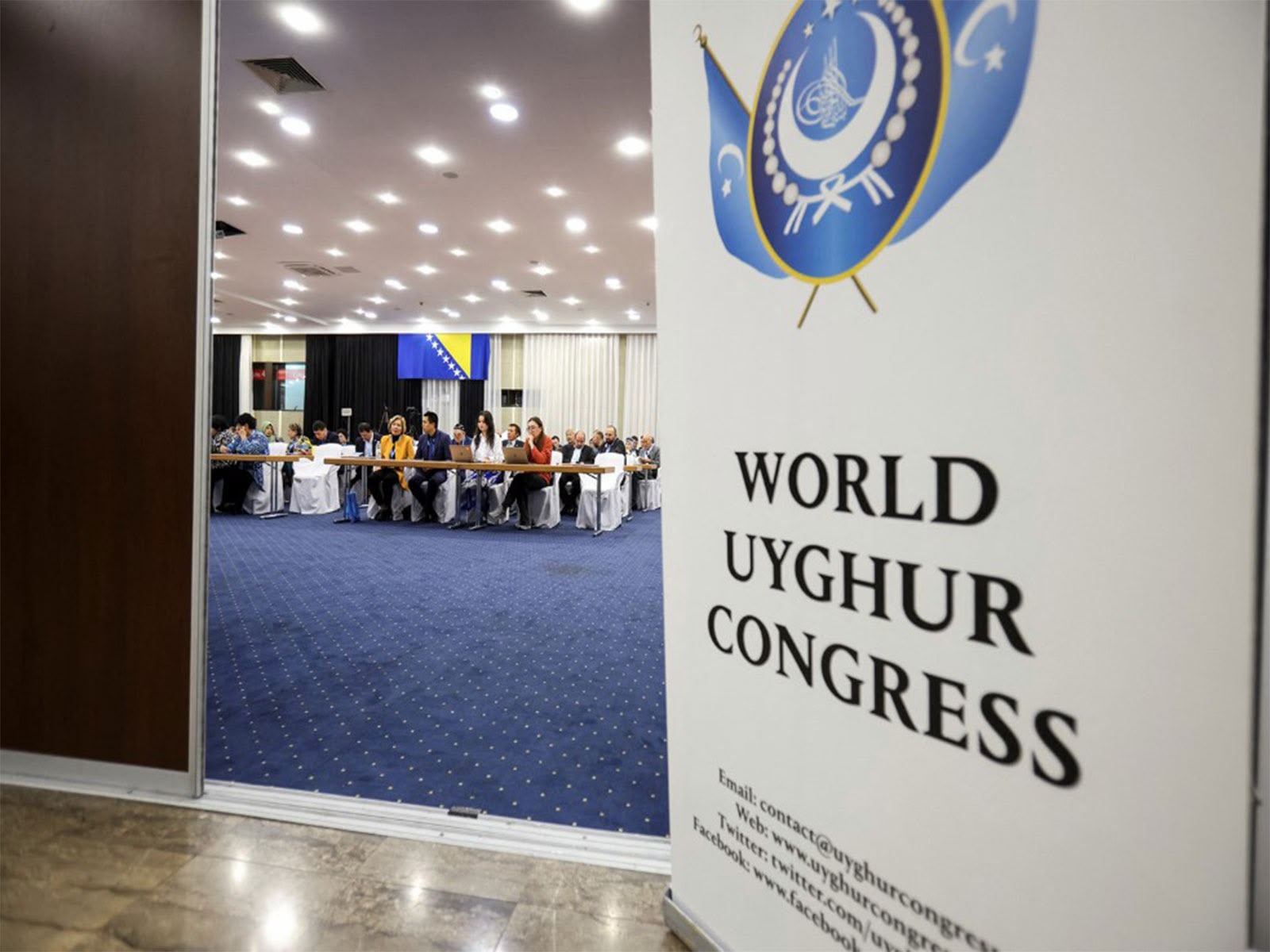
Munich [Germany], August 18 : The World Uyghur Congress (WUC) has strongly condemned what it described as the interrogation, surveillance and intimidation of Uyghur-Australian citizens and permanent residents by Chinese authorities during their visits to East Turkistan.
In a press release, the WUC cited recent research by Human Rights Watch, which interviewed Uyghurs who hold Australian citizenship or permanent residency and had recently travelled to East Turkistan. According to the WUC, the testimonies indicate that Uyghur-Australians face significant restrictions when attempting to visit family members in the region, with visits allegedly permitted only after extensive vetting and background checks and under close surveillance.
The WUC said many Uyghur-Australians are unable to visit their families at all and are left with telephone communication as their primary means of contact, with such communications allegedly monitored by Chinese authorities.
According to the WUC press release, three Uyghur-Australians who were able to travel to East Turkistan said they were placed in government-designated hotels and subjected to heavy surveillance. They were also allegedly required to report their activities to authorities on a daily basis.
The WUC further cited the testimony of another Uyghur-Australian who reportedly underwent more than 12 interrogations during his visit. According to the organisation, one of the interrogations lasted for more than seven hours, during which authorities allegedly demanded information including the addresses and telephone numbers of Uyghur activists based in Australia.
The individual reportedly told authorities that he did not possess the requested information. According to the WUC, authorities then pressured him to monitor Uyghur activists in Australia and photograph them during public events.
The WUC described these alleged practices as a serious violation of basic human rights and warned that they could place Uyghur-Australians, Uyghur activists abroad and their relatives in China at increased risk.
The organisation also raised concerns over the entry into force of Article 63 of China's new Law on Promoting Ethnic Unity and Progress on July 1, 2026.
According to the WUC, the provision allows organisations and individuals outside China who engage in activities directed against China and deemed to "undermine ethnic unity and progress or create ethnic division" to potentially face legal liability under Chinese law.
The WUC argued that the provision could further increase pressure on Uyghurs living outside China, particularly those engaged in advocacy and human rights activities.
According to the press release, the alleged use of intimidation to obtain information about Uyghur activists in Australia, or to pressure Uyghur-Australians into monitoring their activities, represents a form of transnational repression that extends beyond China's borders.
The WUC said the reported experiences of Uyghur-Australians should not be viewed as isolated incidents. Instead, it described them as part of what it characterised as a broader pattern of Chinese authorities using surveillance, intimidation and restrictions on family contact to isolate Uyghurs, suppress advocacy abroad and inflict psychological pressure.
The organisation also referred to previous research by the Uyghur Human Rights Project on family separation and the alleged harassment of Uyghurs overseas, arguing that Chinese authorities have used family members remaining in China as leverage against Uyghurs living abroad.
According to the WUC, Uyghurs outside China have, in some cases, allegedly been threatened with consequences for their relatives in China in an effort to compel them to provide information about diaspora activities.
The WUC said such practices create a "chilling effect" on Uyghur advocacy and can discourage members of the diaspora from participating in public events or speaking about human rights concerns for fear of repercussions against themselves or their families.
The organisation further argued that the reported harassment of Uyghur-Australians reflects a wider strategy of what it described as transnational repression, including alleged efforts to obtain information about diaspora communities and suppress Uyghur advocacy outside China.
The WUC called on the Australian government to take necessary measures to protect Uyghurs living in Australia from what it described as Chinese transnational repression.
It also urged Canberra to ensure that Uyghur activists and organisations in Australia are able to continue their advocacy work without fear of intimidation, surveillance or reprisals against themselves or their families.
The allegations cited in the WUC press release concern the conduct of Chinese authorities and are presented as reported testimonies and findings referenced by the organisation. The Chinese government has previously rejected allegations of widespread rights abuses in Xinjiang and has described its policies in the region as measures aimed at combating terrorism, extremism and promoting development and ethnic unity.