"Bill which JPC is reviewing talks about 2034, not 2029": Manish Tewari counters panel chief PP Chaudhary over 'One Nation, One Election' remark
Aug 26, 2026
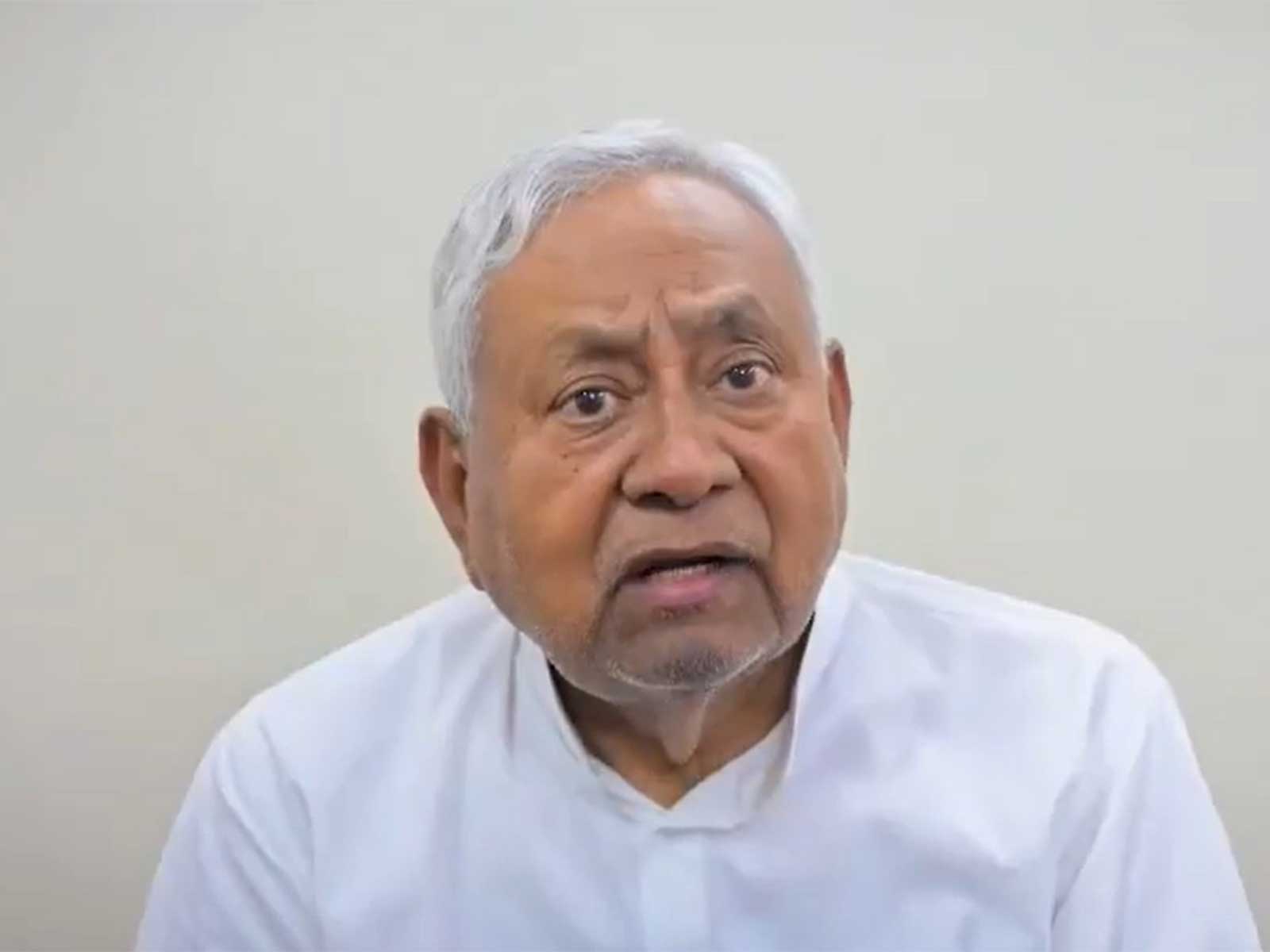
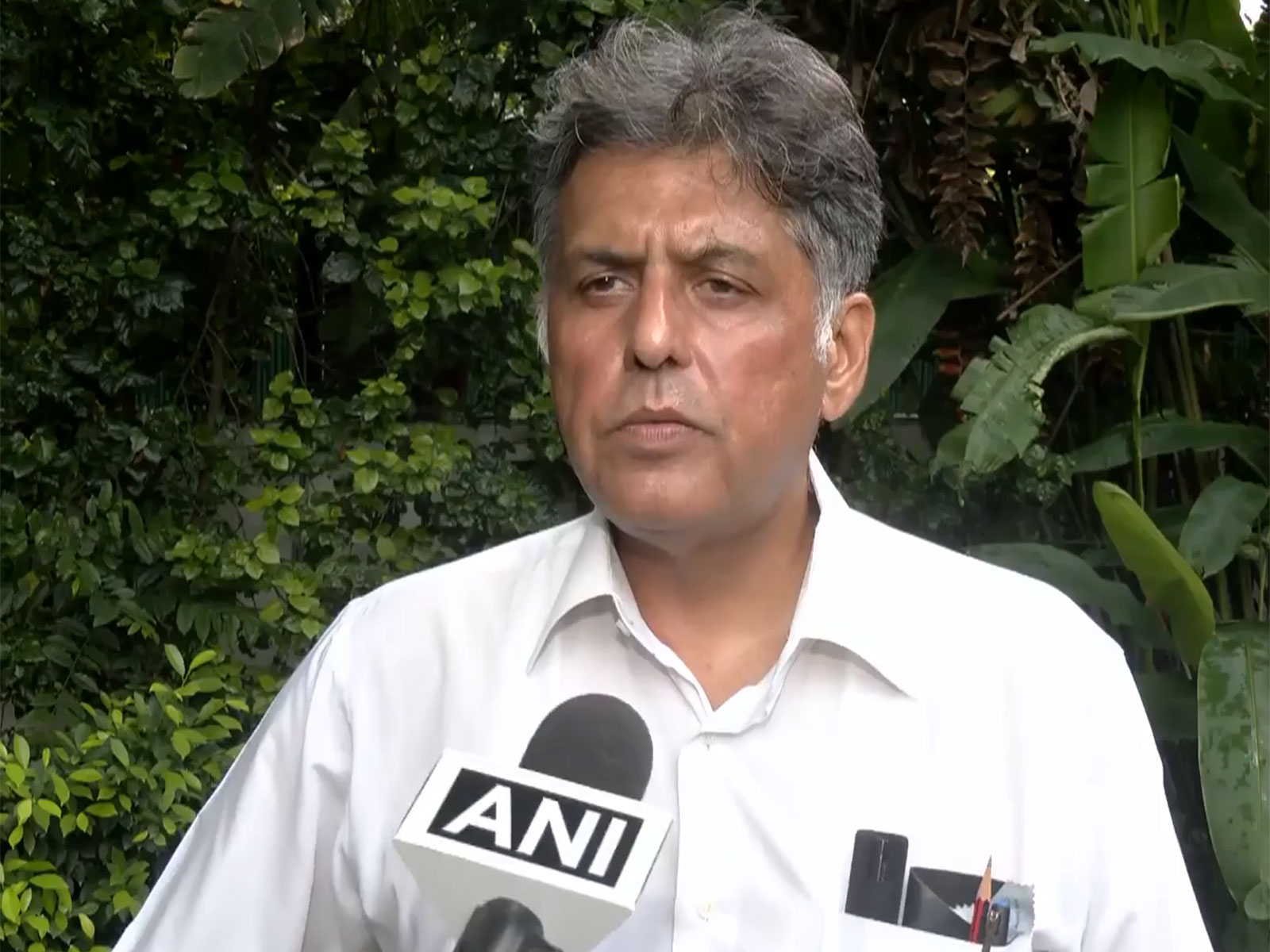
New Delhi [India], August 26 : Congress MP Manish Tewari has dismissed the reported statement made by PP Chaudhry, who heads the Joint Parliamentary Committee (JPC) on 'One Nation, One Election ', that simultaneous polls can likely be held in 2029 if all stakeholders come on board.
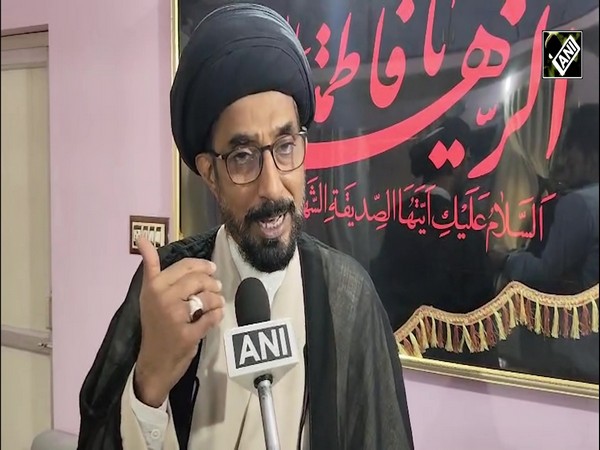
Tewari, who is also in the JPC, said that the bill, which is being reviewed, talks about such a possibility in 2034 and not 2029.
"That is, presuming the bill gets a two-thirds majority and passes in both houses of Parliament and is ratified by half of the states; therefore, I do not know from where PP Chaudhary is drawing those conjectures," Congress MP told ANI.
Also, Congress MP P Chidambaram appeared before the Joint Parliamentary Committee (JPC) on August 24 and strongly opposed the "One Nation, One Election" (ONOE) bills.
In a post on X, Chidambaram said, "I have read the reported statement of the Chairman, JPC that simultaneous elections are possible in 2029 I am afraid his view is wrong and goes against the text of the Bill Even if the Bill is passed (which is very unlikely), the 'appointed date' under the Bill can only be a date 'after a general election'. The next general election will take place in 2029. Hence, simultaneous elections are not possible in 2029, which is a blessing The Congress and other Opposition parties will mount a nationwide campaign against the Bill which is a Constitutional monstrosity in parliamentary democracy in a federal country."
Meanwhile JPC chairman PP Chaudhary on Tuesday said that the proposed "One Nation, One Election" framework is neither against federalism nor violative of the basic structure of the Constitution, asserting that the move is aimed at synchronising the electoral calendar without affecting the autonomy of states.
Speaking to ANI, the JPC chairman said, "We first consulted six former Chief Justices of India, including Justice UU Lalit, Justice Ranjan Gogoi, Justice Sanjiv Khanna, Justice JS Khehar and Justice DY Chandrachud. Except for one person, almost all of the 12 people we consulted were of the view that One Nation, One Election is in the national interest and is not against federalism or the basic structure of the Constitution," he said.
"One Nation, One Election is Prime Minister Narendra Modi's vision of holding Lok Sabha and Assembly elections together. Under this vision, issues such as good infrastructure, industries, investment, governance and quality education are being considered. This is in the national interest," he added.
While addressing concerns over federalism and state autonomy, Chaudhary said, "There is no interference with the State List under One Nation, One Election. Only the electoral calendar is being synchronised. It will not make any difference to the voter or the candidate. Synchronising election dates does not reduce the autonomy of the states. It does not reduce their legislative powers," Chaudhary said, adding that the proposal was aimed at administrative convenience and could help save public money.
The JPC chairman said the biggest beneficiaries of simultaneous elections would be the country's youth, particularly Class 12 students, as repeated election duties affect the functioning of schools.
He added that if simultaneous elections result in savings of Rs 7-10 lakh crore and the money is invested in education, it could improve the future of children and youth, generate employment and provide better quality education.
"This is the vision that Prime Minister Narendra Modi has had since 2014--that if India has to move forward, Lok Sabha and Assembly elections should be held together, and the money saved should be used for the development of young people," he said.
The Constitution (One Hundred and Twenty-Ninth Amendment) Bill, 2024, is linked to the proposed reform popularly known as "One Nation, One Election," which seeks to synchronise elections for the Lok Sabha and state legislative assemblies. The Union Territories Laws (Amendment) Bill, 2024, is also part of the broader framework aimed at facilitating the implementation of simultaneous elections across the country.
These Bills, introduced on December 17, 2024, in the Lok Sabha and sent to the JPC for further scrutiny, collectively aim to introduce simultaneous elections across the country.