"BJP winning in states it couldn't even at peak of 'Modi wave'": CJP's Abhijeet Dipke makes fresh claim on SIR row
Oct 05, 2026
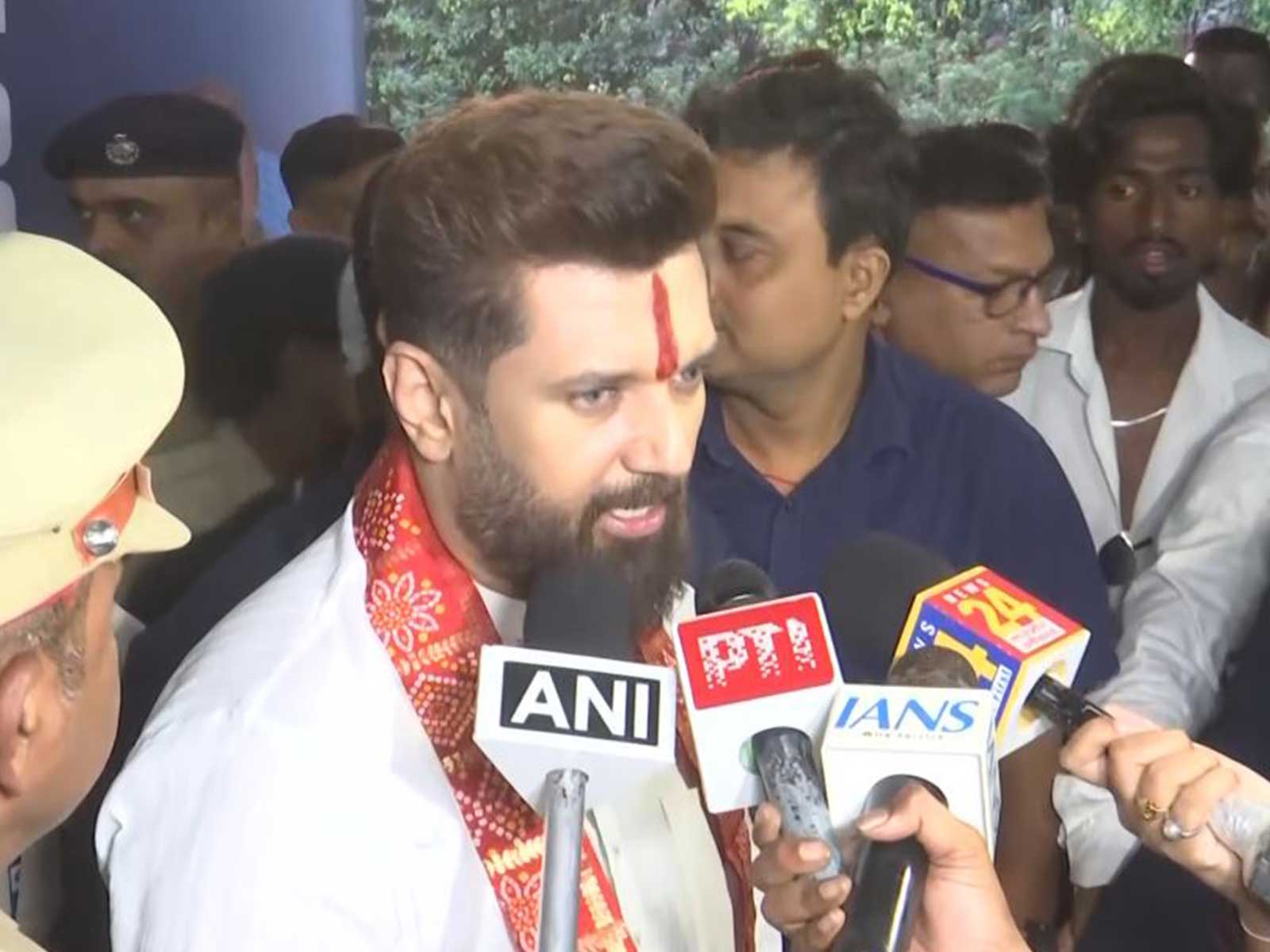
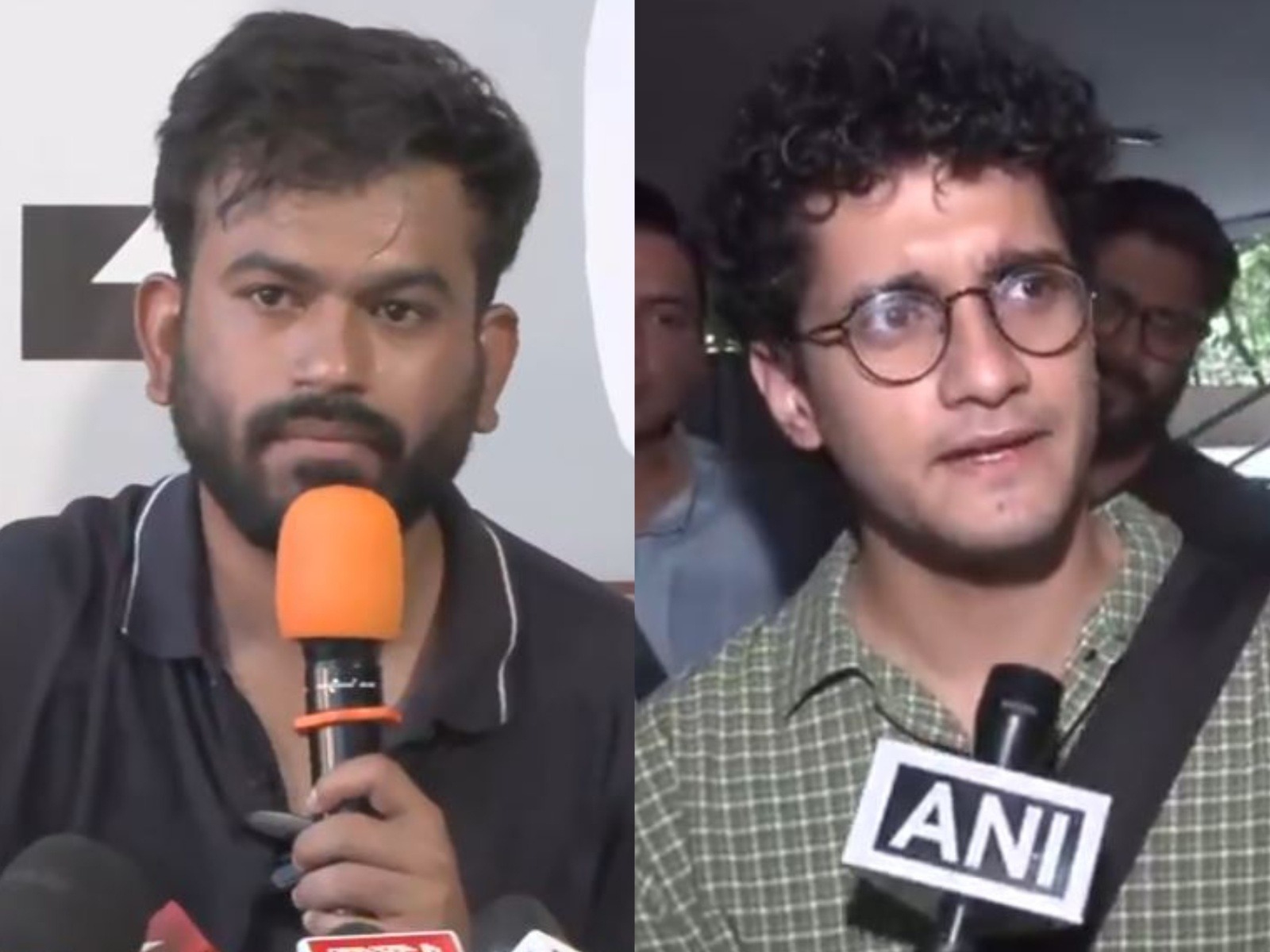
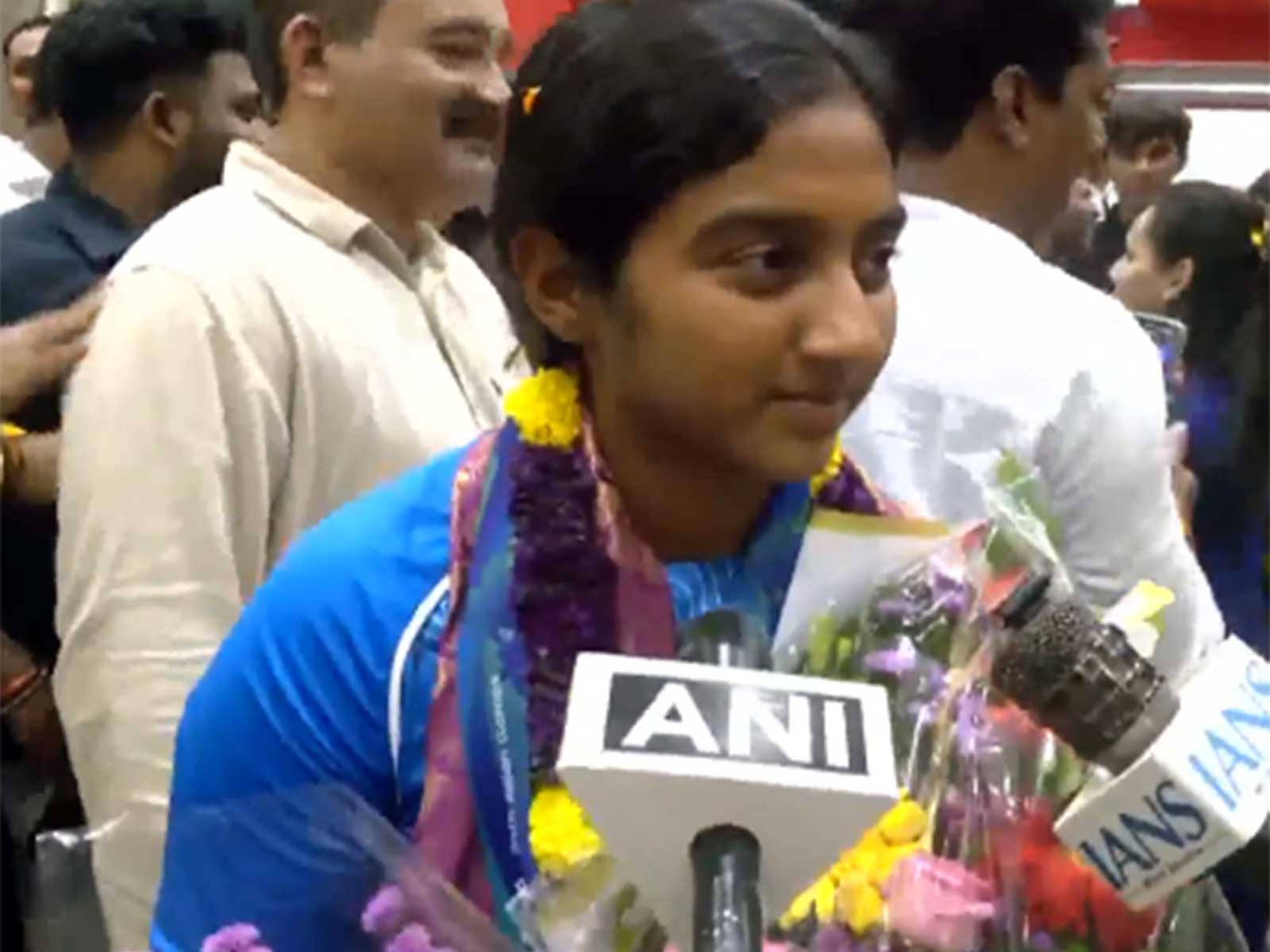
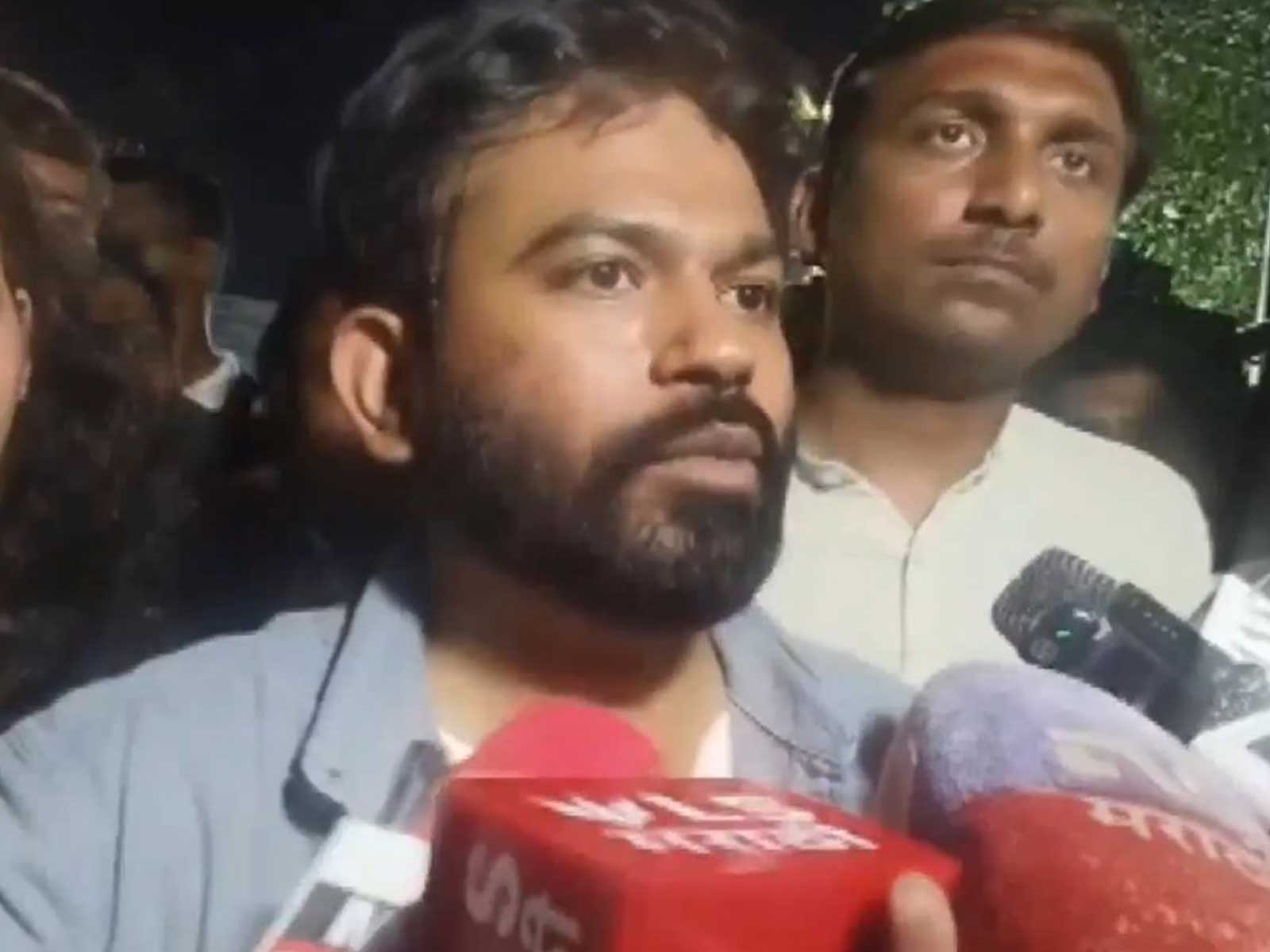
Pune (Maharashtra) [India], October 5 : Taking a sharp swipe at the Bharatiya Janata Party's winning streak, Cockroach Janta Party (CJP) activist Abhijeet Dipke has alleged that the ruling party is securing victories in states where it failed to win even at the peak of the "Modi wave," attributing the outcomes to alleged institutional manipulation under Chief Election Commissioner (CEC) Gyanesh Kumar.
"The BJP is winning in states where it couldn't even secure a victory during the peak of the 'Modi wave'—and this is happening because of Gyanesh Kumar. Once Gyanesh Kumar leaves and the SIR freezes, only then will we know how many seats the BJP actually wins," Dipke told reporters on Sunday.
Urging the CEC to step down, Dipke claimed that election outcomes in the country have become "predetermined," rendering participation meaningless.
"I feel that until Gyanesh Kumar resigns and ensures free and fair elections, there is no point in participating in such polls, because the winner is already predetermined," he said.
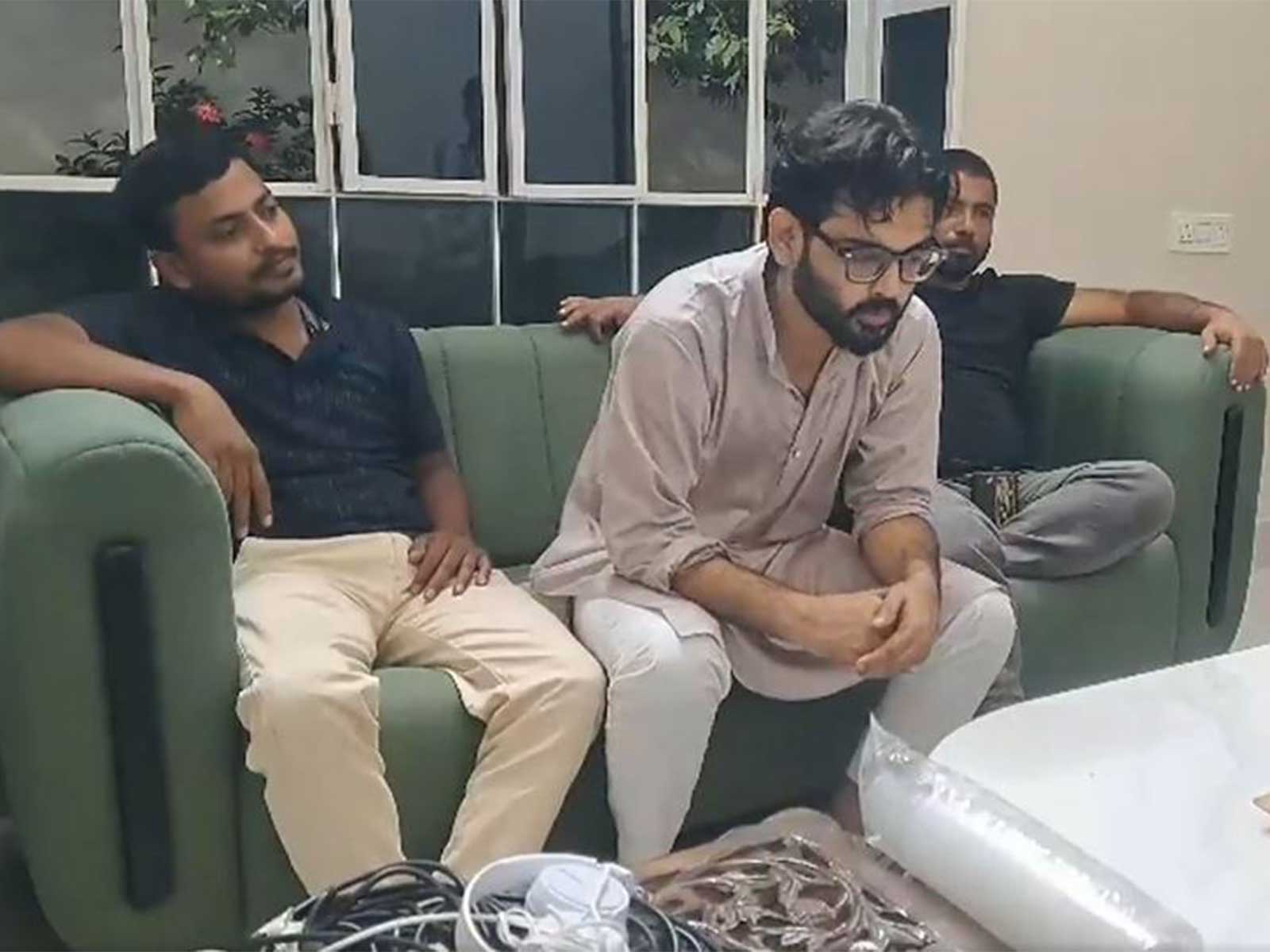
Dipke made these remarks while visiting Pune to extend solidarity to students protesting against the Maharashtra government over the alleged Maharashtra Public Service Commission (MPSC) examination irregularities and recruitment backlogs. Linking the poll row to administrative failures under the ruling dispensation, Dipke alleged that public trust in both competitive examinations and electoral processes has collapsed.
Demanding the resignation of the MPSC Chairman, Dipke added, "I have come here to meet protesting students. Their future is in question because there are continuous cases of paper leaks. The government is not serious about these leaks. CJP supports their demands, and till MPSC chairman resigns, this protest will continue."
Dipke’s remarks come amid the ongoing controversy following a report in The Indian Express saying Election Commissioners Sukhbir Singh Sandhu and Vivek Joshi formally raised objections on at least 14 occasions over 10 months over decisions on electoral rolls, voter registration, and the Commission’s technology systems.
The Election Commission, however, rejected the suggestion that the reported objections amounted to institutional dissent over final decisions. The poll panel said that operational queries, inputs and suggestions raised during the draft stage were part of its standard administrative and decision-making process. ECI stated that the decisions regarding the schedule of the SIR exercise were unanimous.