BRICS leaders converge on stronger multilateralism, UN reforms, peaceful resolution of conflicts: MEA
Sep 12, 2026
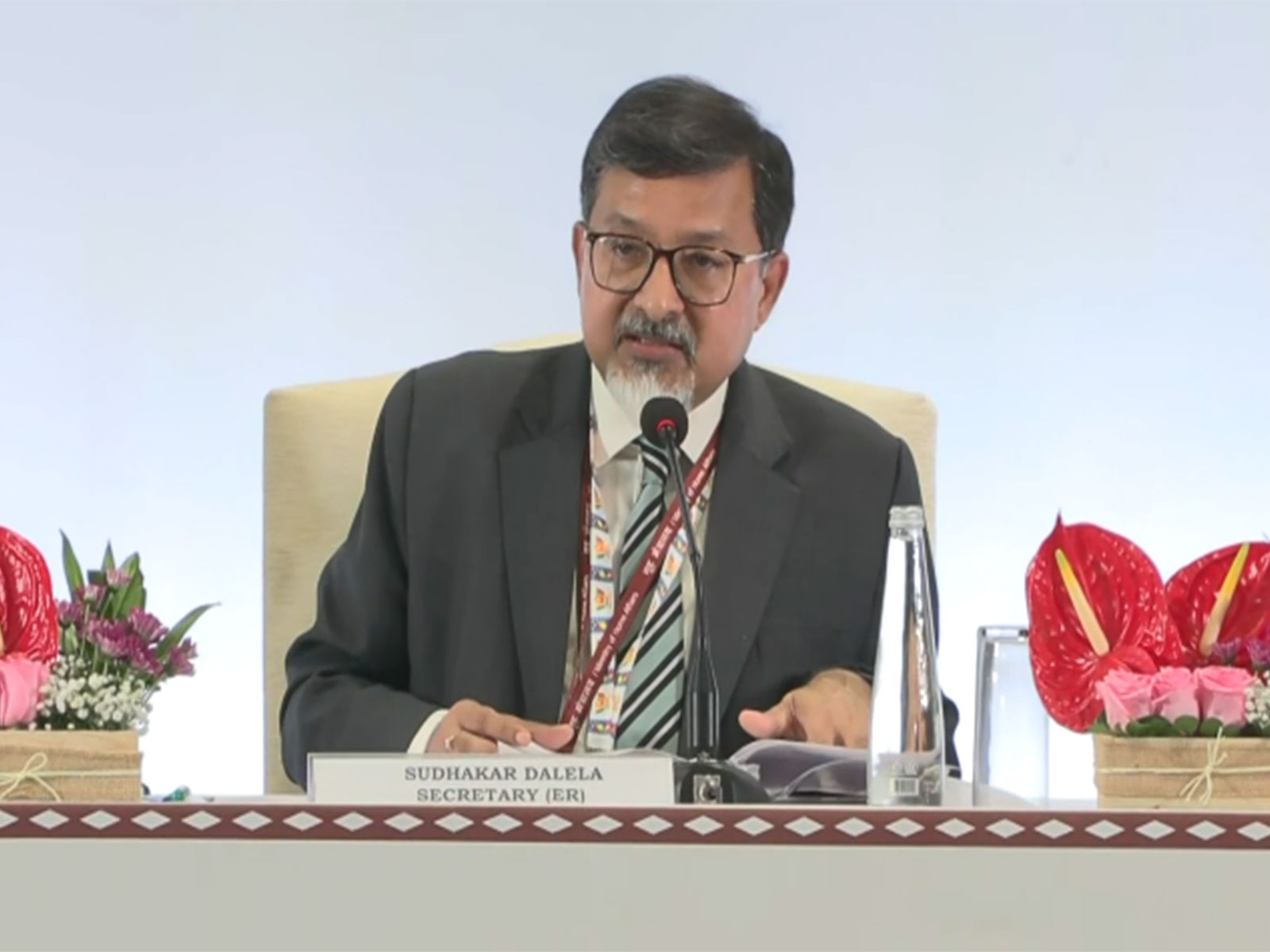
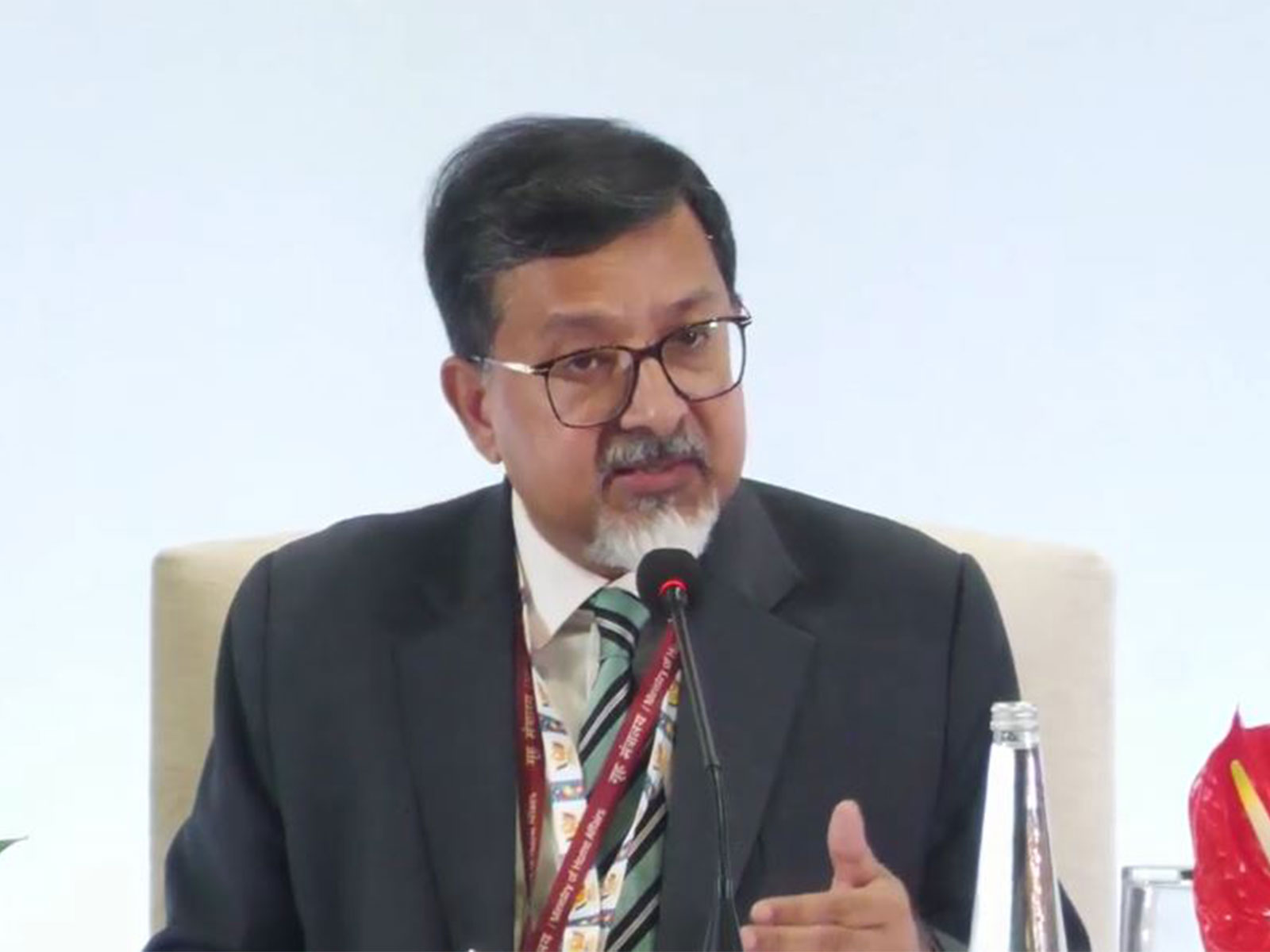
New Delhi [India], September 12 : BRICS leaders on Saturday broadly converged on the need to strengthen multilateralism and make global governance institutions more representative, inclusive, effective and responsive to contemporary realities, External Affairs Ministry Secretary (Economic Relations) Sudhakar Dalela said, underlining the grouping's focus on development-oriented outcomes and a stronger voice for the Global South.
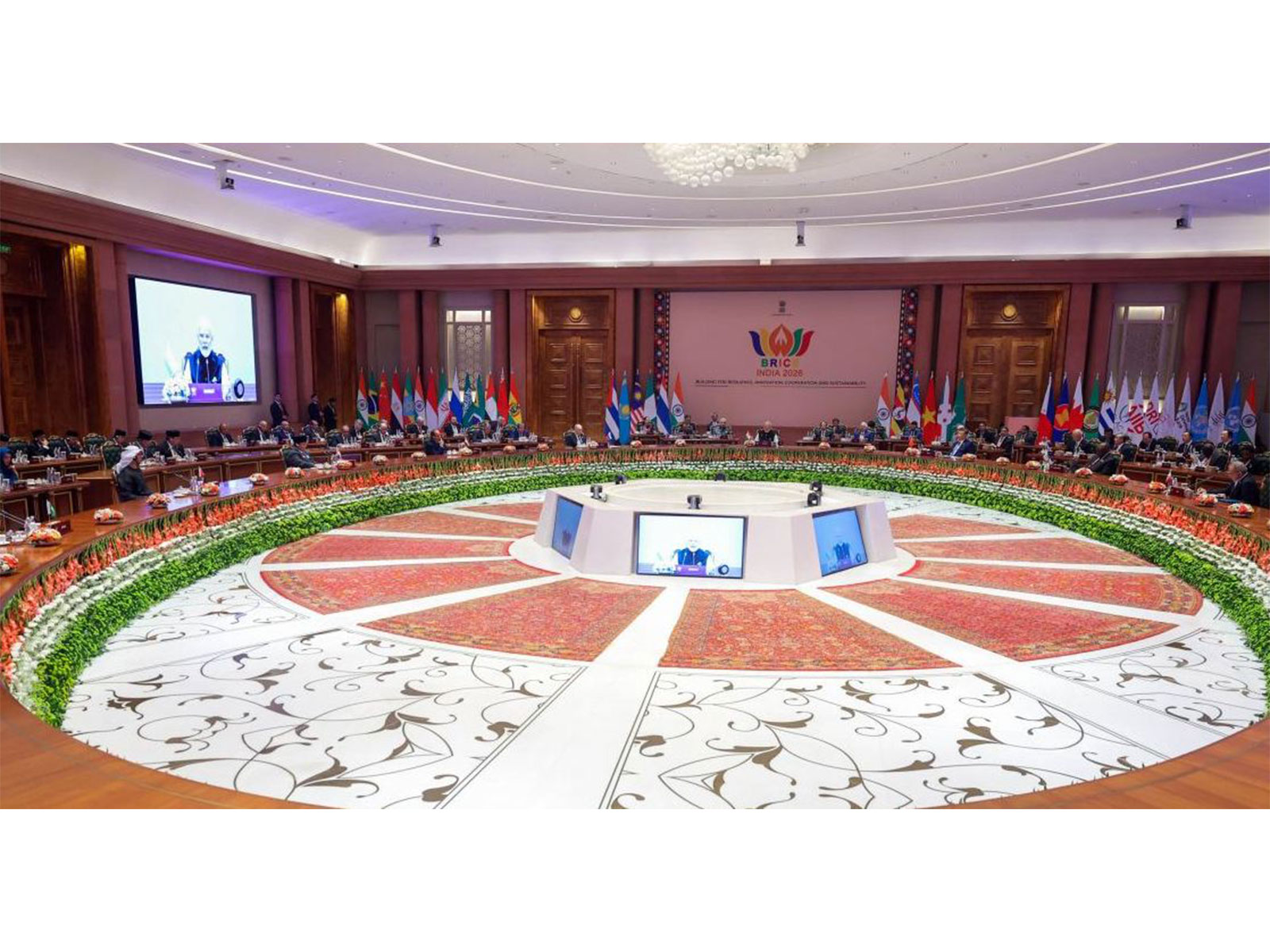
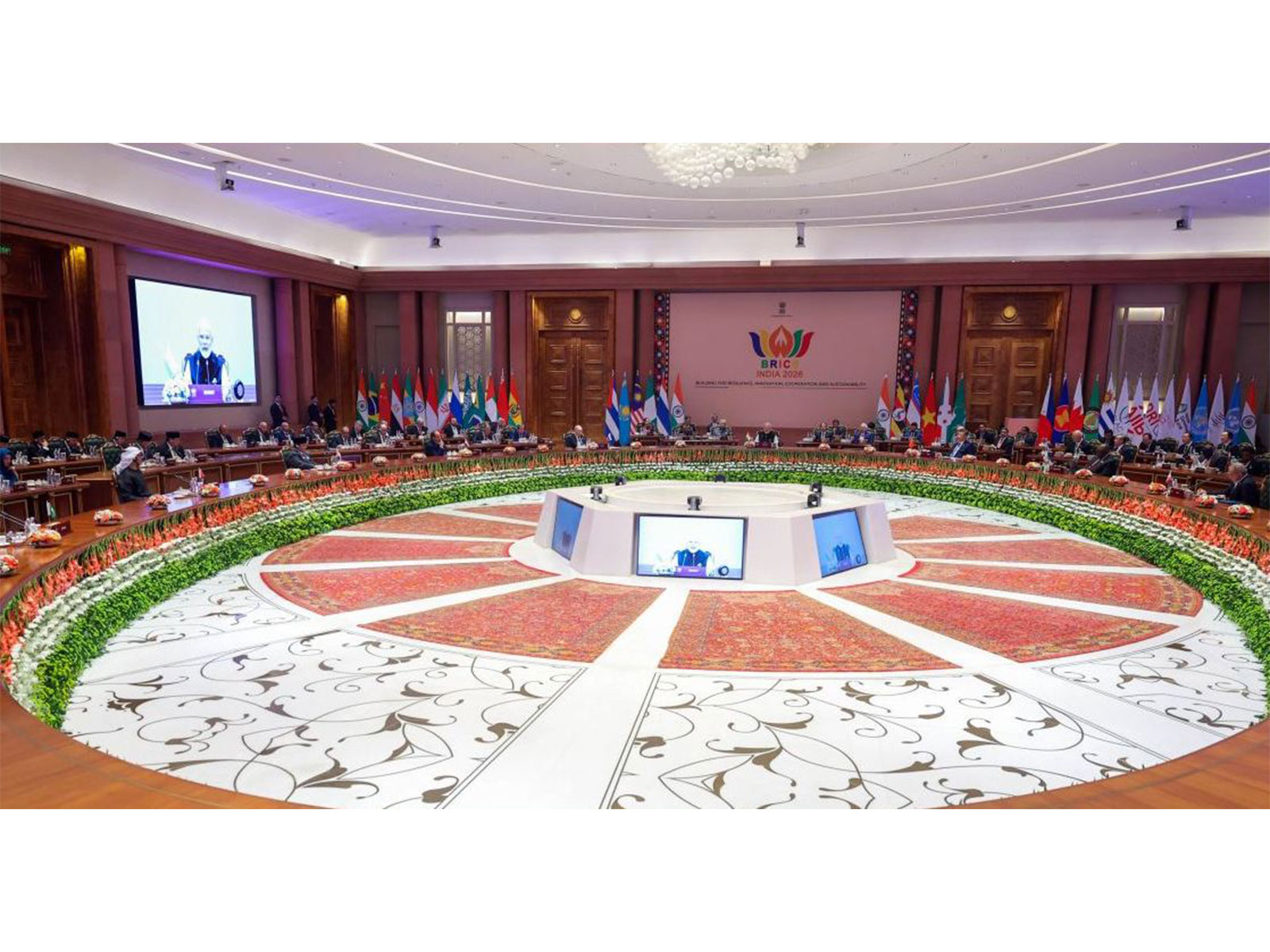
Briefing the media after the member session of the 18th BRICS Leaders' Summit in New Delhi, Dalela said, “The 18th BRICS Leaders Summit member session just got concluded a short while ago. India assumed the BRICS chairship in January this year for the fourth time as BRICS marks an important milestone. 20th anniversary."
He said India sought to build on the work of earlier chairships while focusing on the theme “Building for Resilience, Innovation, Cooperation and Sustainability”.
“India's leadership, guided by the vision of the Prime Minister Narendra Modi and the principle of Humanity First, our endeavour has been to make BRICS cooperation more practical, forward-looking, and responsive to the priorities of our people,” he said.
Dalela said the member session of the BRICS Summit was held on Saturday afternoon and welcomed the participation of leaders from all BRICS member countries.
“As you have seen already, as I mentioned earlier, we had the member session this afternoon of the BRICS Summit,” he said.
“We are delighted to welcome all the BRICS leaders from the member countries of BRICS, and tomorrow we have the open session. Indeed, we will also have partner countries of BRICS and also some outreach invitees, countries who are chairing important institutions of global governance and the Global South, and also heads of international organisations,” Dalela said.
He said the robust participation reflected the importance attached to BRICS, its expanding engagement with the developing world and the Global South, and the confidence placed in India's chairship.
“The robust participation reflected the importance attached to BRICS, its expanding engagement with the developing world and the Global South, and the confidence placed in India's chairship,” he said.
Dalela said the Summit was the visible culmination of eight months of sustained work since India assumed the BRICS chairship in January.
“Yet the summit itself was only the visible peak of a much longer effort, eight months of sustained work that began when India took up this BRICS chairship in January this year,” he said.
He said India organised more than 350 meetings during the course of the year across various areas of cooperation.
“As you know, during the course of the year, we have organised more than 350 meetings, both in person and virtual, across thematic clusters, ministerial meetings, working group meetings, business sessions, people-centric activities and initiatives,” Dalela said.
He also pointed out that September 12 is observed as the United Nations Day for South-South Cooperation.
“Interestingly, 12 September is also observed as the United Nations Day for South-South cooperation, an apt backdrop for a conversation on the role of emerging and developing economies in a changing global order,” he said.
Dalela said the first session of the Summit was held on the theme “Inclusive Global Governance and Strengthening Multilateralism”.
“As I mentioned, the first session, the member session, took place today on the theme ‘Inclusive Global Governance and Strengthening Multilateralism’,” he said.
He said that while BRICS leaders spoke from their respective national perspectives, there was broad convergence on the need to strengthen multilateralism and reform global governance institutions.
“At the session, BRICS leaders spoke from their respective national perspectives, but there was a broad convergence on the need to strengthen multilateralism and to make our global governance institutions more representative, inclusive, effective, and responsive to today's realities,” Dalela said.
He said the leaders reiterated support for comprehensive reform of the United Nations, including its Security Council, with greater representation for developing countries, as well as reform of the international financial architecture to give developing countries and the Global South a stronger voice.
“The leaders reiterated support for comprehensive reform of the United Nations, including its Security Council, with greater representation of developing countries, and for reform of the international financial architecture to give developing countries and the global South a stronger voice,” he said.
He said the same approach shaped discussions on the geopolitical situation, with leaders discussing the impact of ongoing conflicts and economic uncertainties while stressing dialogue, diplomacy and peaceful resolution of differences.
“That same approach shaped that change in the geopolitical situation. Leaders discussed the impact of ongoing conflicts, economic uncertainties, and underscored the importance of dialogue and diplomacy, and the peaceful resolution of differences,” Dalela said.
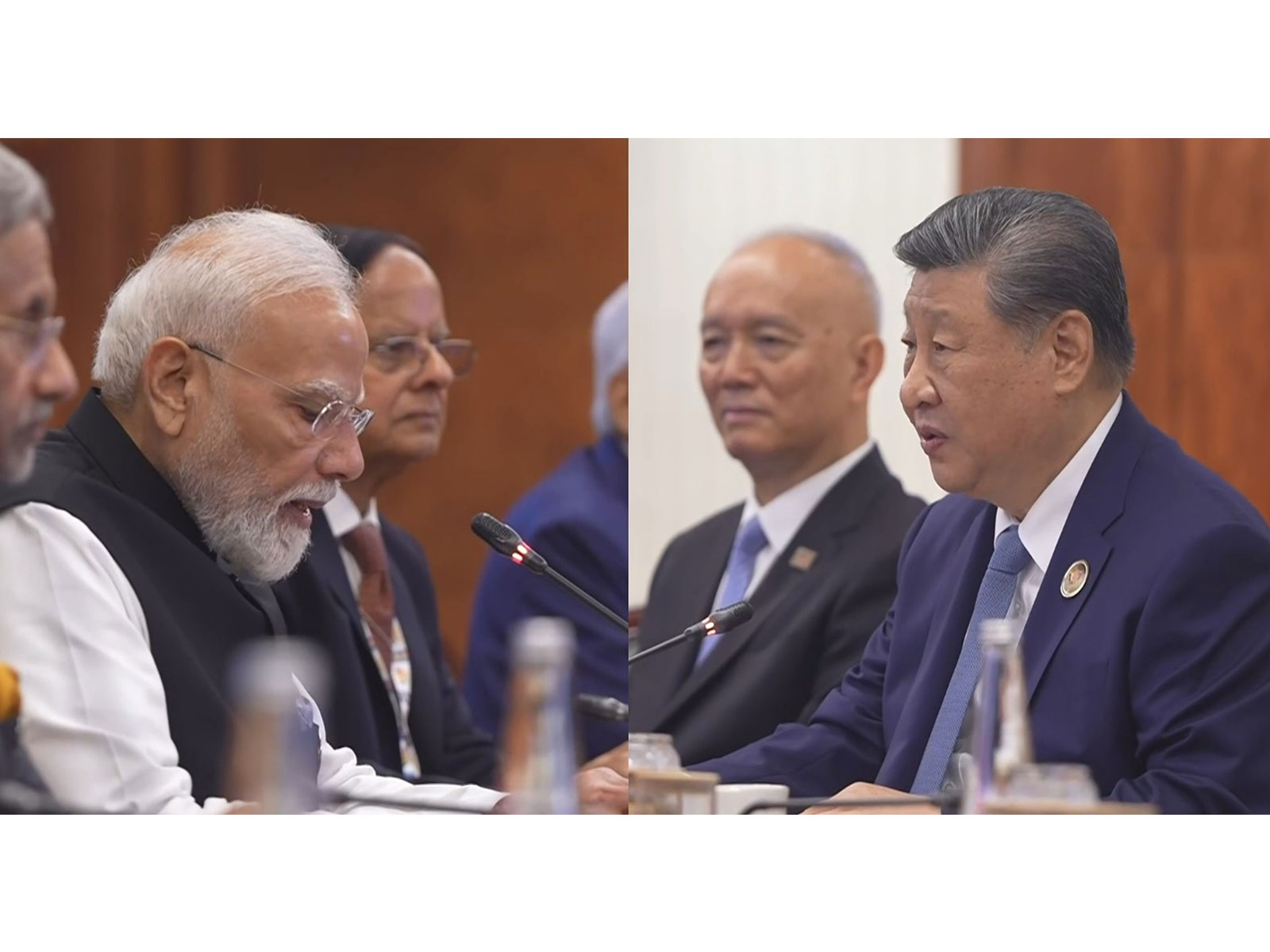
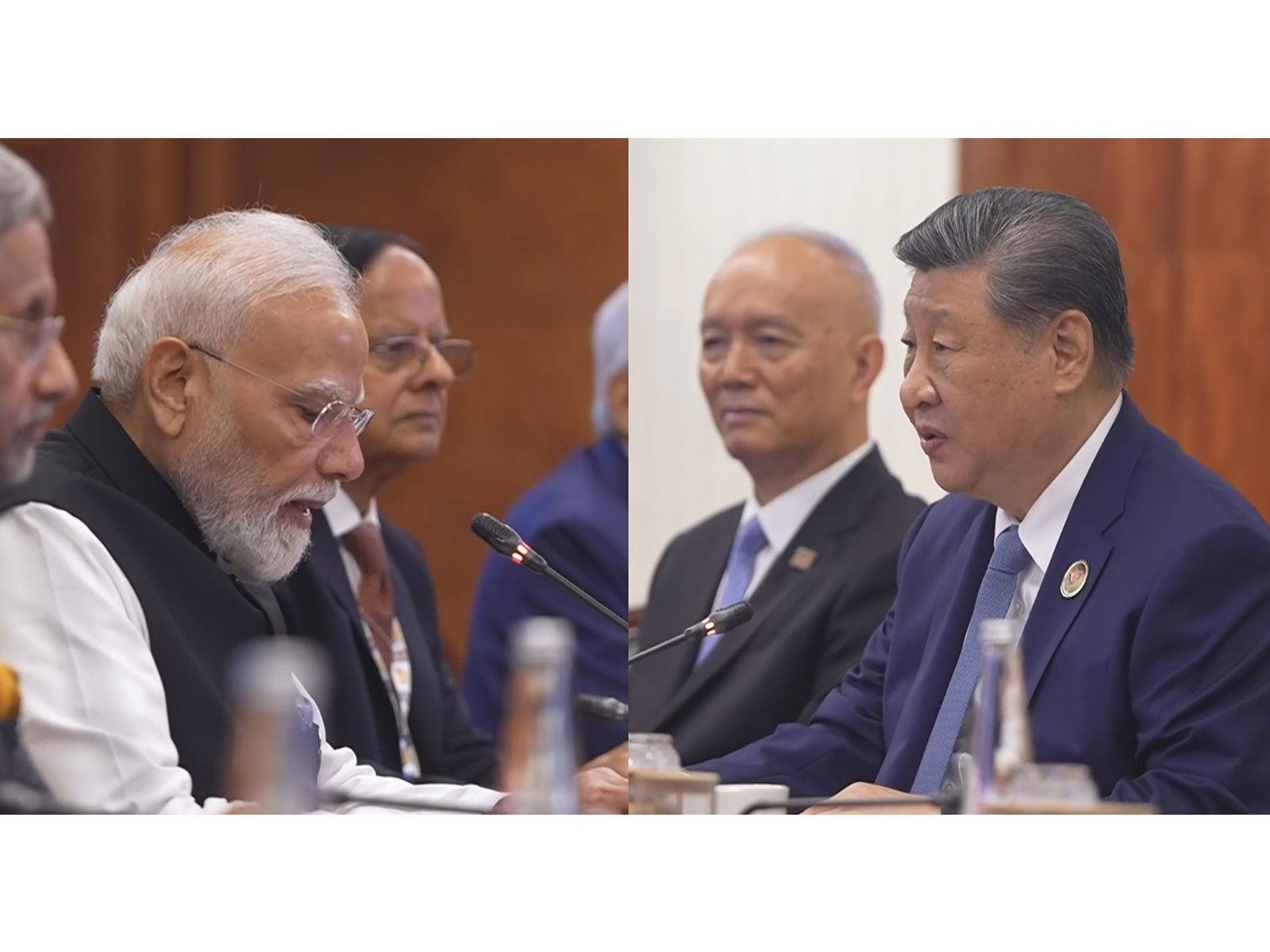
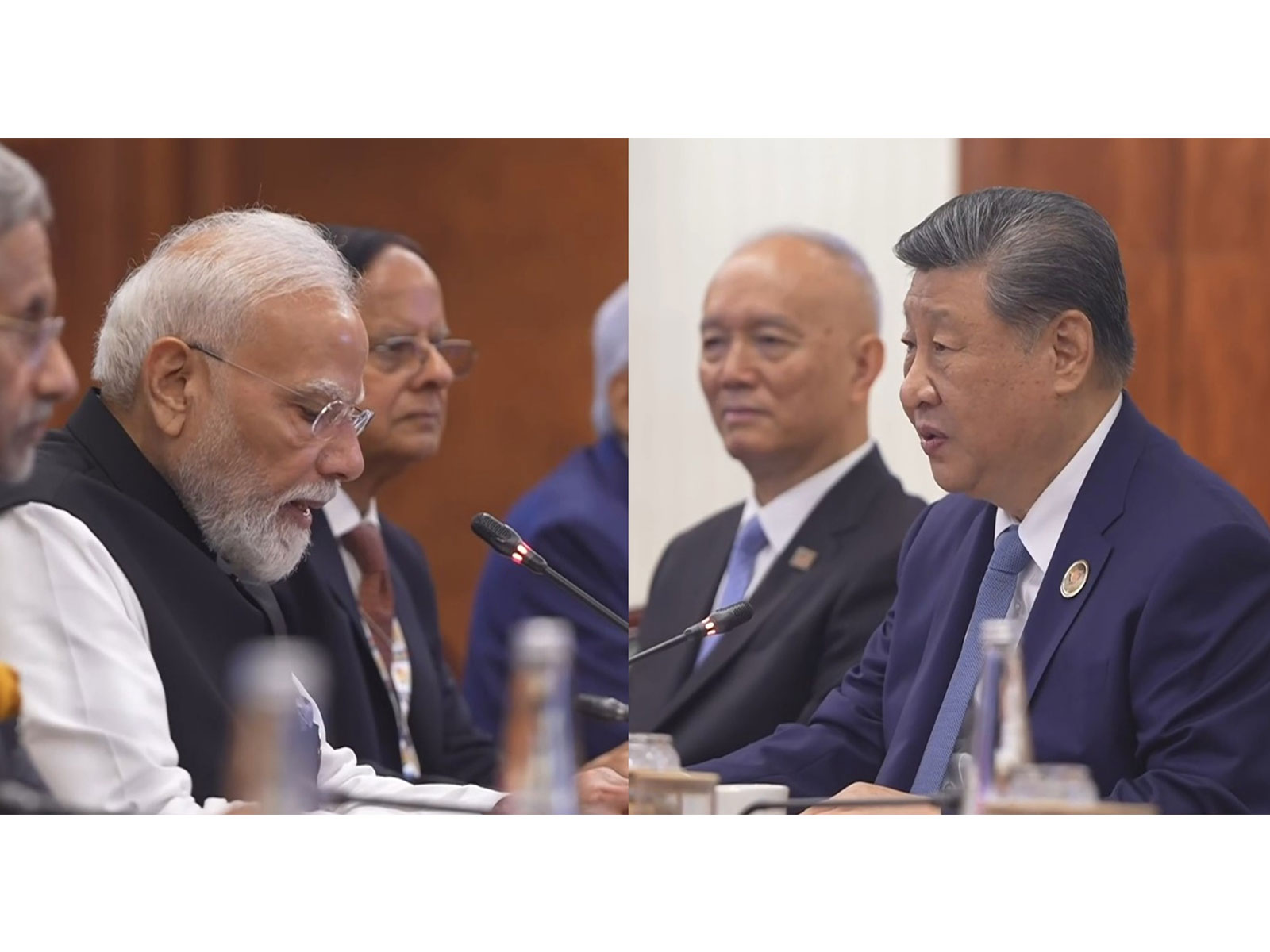
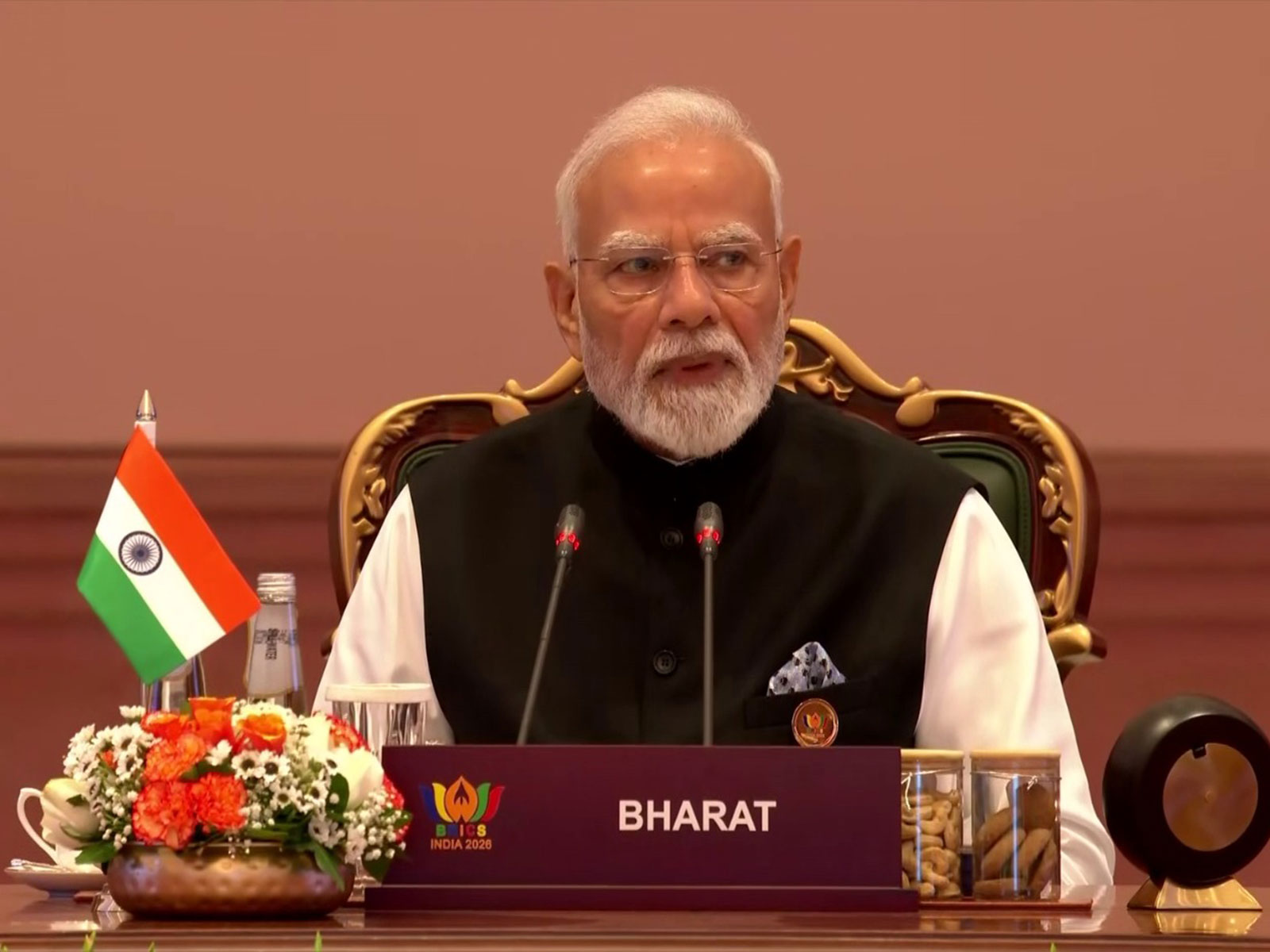
On Prime Minister Narendra Modi's intervention, Dalela said he underlined the importance of strengthening the voice of the Global South and reforming global governance.
“Prime Minister, in his intervention, underlined the importance of strengthening the voice of the Global South and reforming global governance to make it more representative, inclusive, and responsive to contemporary realities,” he said.
“He emphasised the need for BRICS to remain focused on tactical cooperation and development-oriented outcomes that can improve the lives of our people,” Dalela said.
The comments came after BRICS nations unanimously adopted the New Delhi Declaration 2026 at the Summit.
It expressed deep concern over the continued escalation of tensions in West Asia and called for maximum restraint and avoidance of actions that could further aggravate the situation.
The declaration urged protection of civilians and civilian infrastructure and encouraged increased efforts through dialogue and diplomacy towards a long-term understanding that would contribute to lasting peace, security and stability in the region.
It also stressed the need to maintain smooth flows of global trade, supply chains and energy in accordance with applicable international law.
The declaration expressed serious concern over deliberate attacks on civilian infrastructure and peaceful nuclear facilities under full IAEA safeguards, stressing that nuclear safeguards, safety and security must be upheld, including during armed conflicts.
BRICS also called for implementation of relevant UN General Assembly and UN Security Council resolutions and urged all parties to ensure the maintenance of a ceasefire and full and unhindered humanitarian access in the Gaza Strip.
The declaration noted the current global context of polarisation and distrust and encouraged global action to strengthen international peace and security.
It advocated a multilateral approach that respects diverse national viewpoints and positions on crucial global issues, including sustainable development, eradication of hunger and poverty and the global response to climate change.
The grouping also expressed concern over growing risks of nuclear danger and conflict and reiterated the need to invigorate the system of disarmament, arms control and non-proliferation.
Earlier in the Summit, Prime Minister Modi proposed that BRICS members jointly prepare 10 proposals for global governance reform that could be developed into a BRICS Reform Roadmap by the next Summit.
PM Modi called for transforming the Global South from a “rule-taker into a rule-shaper” and said BRICS could play a greater role in ensuring more equitable representation in global decision-making.
The Prime Minister also stressed the need to reform the UN Security Council and international financial institutions to reflect contemporary economic realities.
Meanwhile, Chinese President Xi Jinping called on BRICS nations to take on a peacemaking role amid the ongoing conflict in West Asia.
According to a post by Chinese Foreign Ministry spokesperson Mao Ning on X, Xi said the war had inflicted serious losses on people across countries in the region and was against the common interests of the international community.
“On the situation in the Middle East, President Xi Jinping pointed out that this war has inflicted serious losses on the people of all countries in the region, and it is against the common interests of the international community,” Mao Ning said in the post.
“The relevant parties should keep to the direction of political settlement, and work for a permanent, comprehensive ceasefire. China will work with fellow BRICS members to play a due role in bringing peace and tranquillity to the Middle East,” she said.
https://x.com/SpoxCHN_MaoNing/status/2098750804656283807
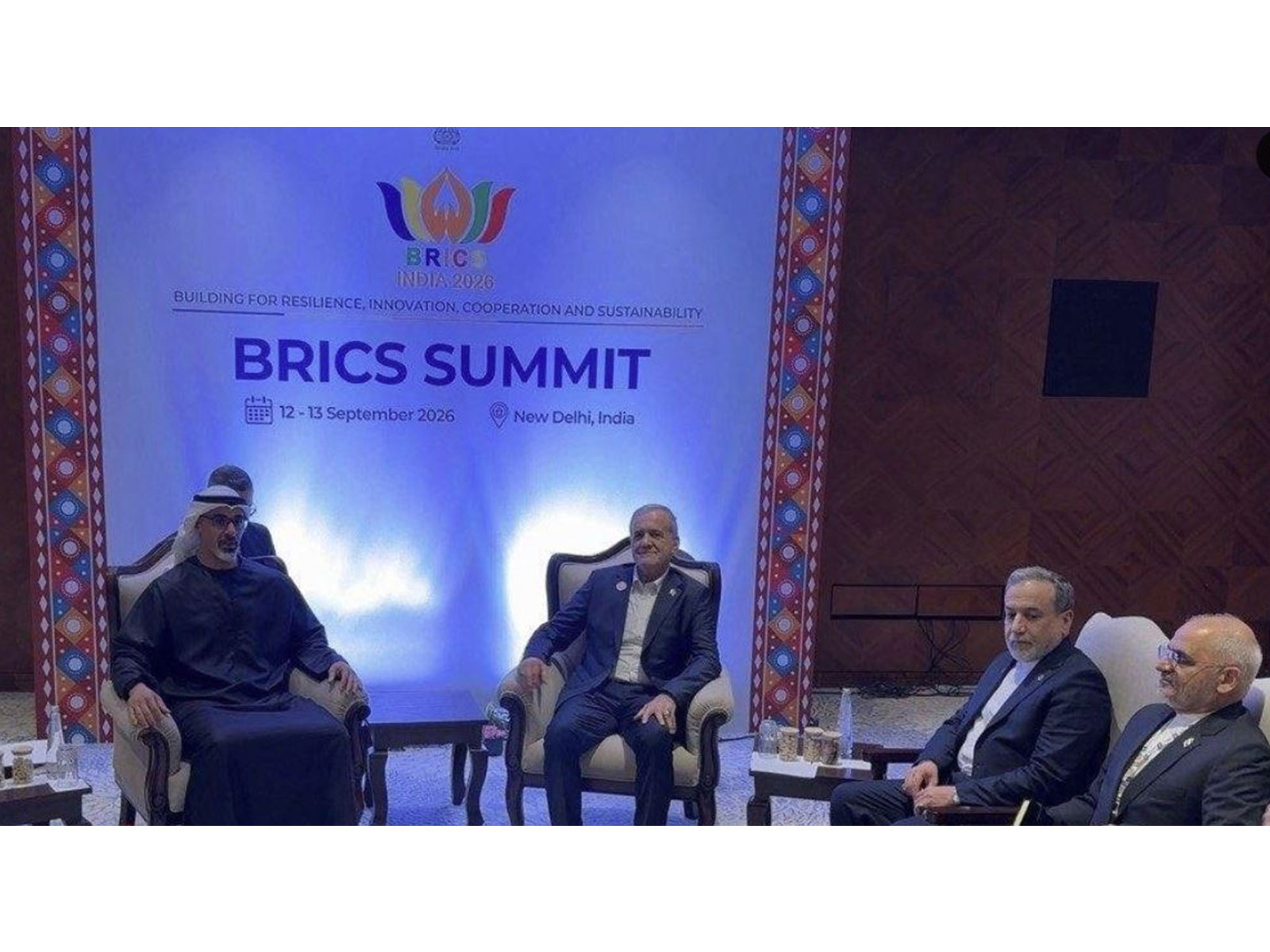
The 18th BRICS Summit is being hosted by India in New Delhi on September 12-13 under its 2026 Chairship, guided by the theme “Building for Resilience, Innovation, Cooperation and Sustainability”.
BRICS currently comprises 11 countries -- Brazil, China, Egypt, Ethiopia, India, Indonesia, Iran, Russia, Saudi Arabia, South Africa and the UAE.