CBIC developing faceless, centralised GST administration framework; public consultation soon: Chairman
Nov 18, 2026
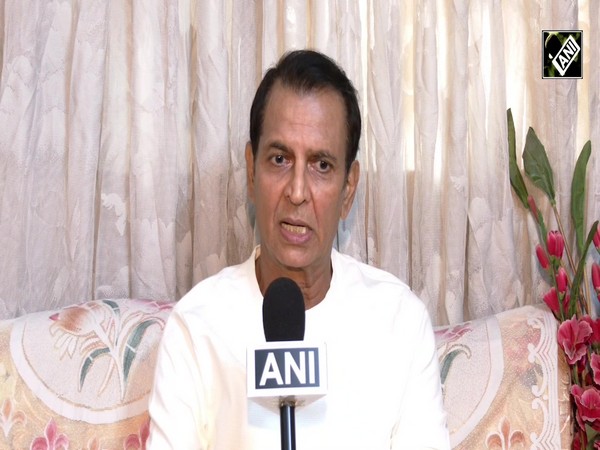
New Delhi [India], November 18 : The Central Board of Indirect Taxes and Customs (CBIC) is developing a framework for faceless and centralised administration of Central Goods and Services Tax (CGST) taxpayers, which is expected to be released for public and stakeholder consultations shortly, said CBIC Chairman Vivek Chaturvedi.
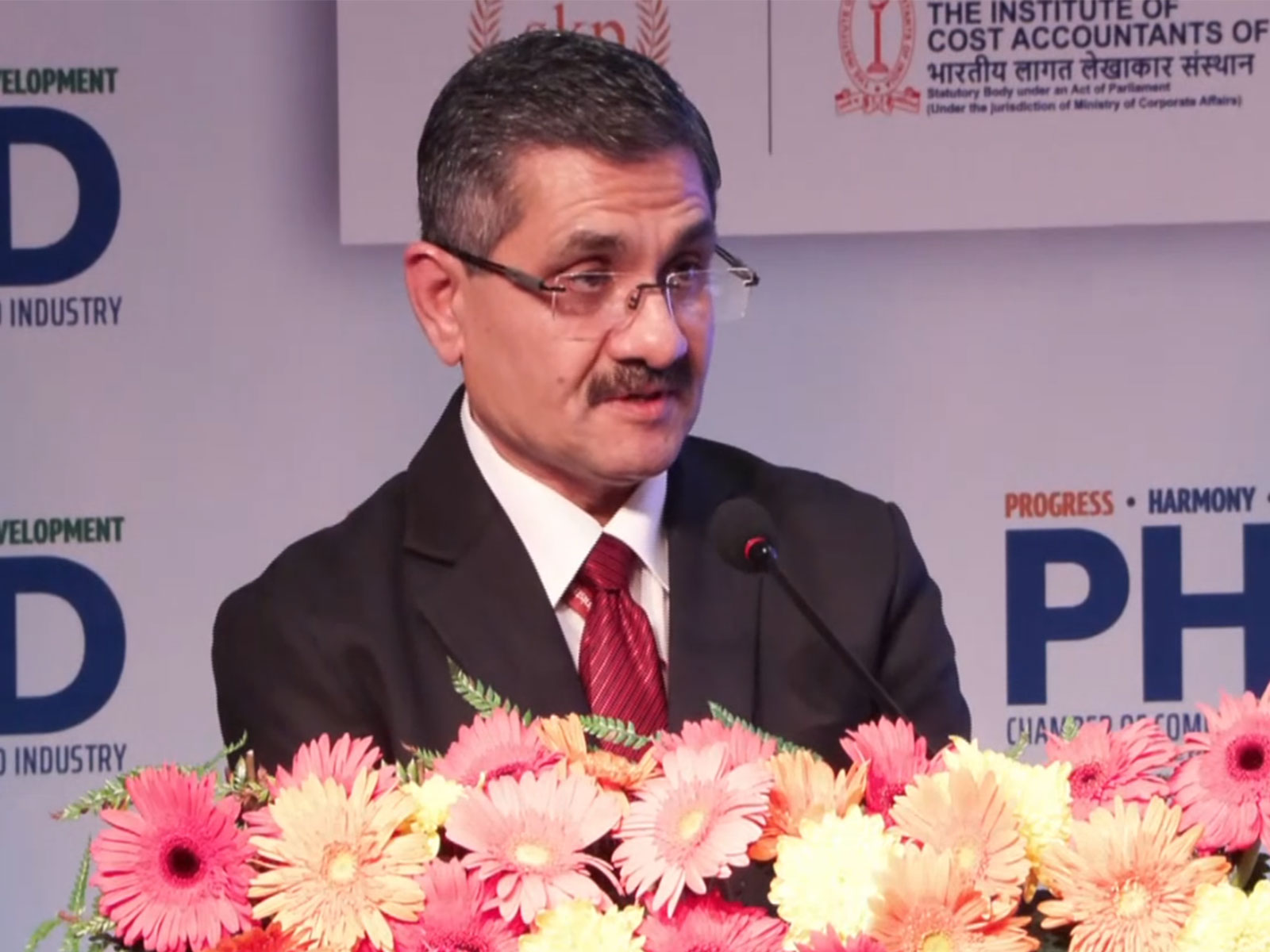
Speaking at the PHD Chamber of Commerce and Industry (PHDCCI) conference on GST process reforms, Chaturvedi said the proposed framework aims to introduce a new approach to tax administration, with centralised services for large taxpayers and a faceless assessment system for other taxpayers.
"We are weaving our thoughts around these two concepts of a faceless and a centralized administration for the CGST taxpayers. And we are creating a framework. The framework should be out for public consultation and stakeholder consultation very shortly," he said.
Chaturvedi said the central government intends to introduce a centralised administration model under which large taxpayers would be able to access various GST-related services at a single physical location.
"What the central government intends to do for the CGST registered taxpayers is bring a new paradigm of administration," he said, adding, "It will both be a centralized administration where the large taxpayer can walk into a physical office and all their needs including registration, return scrutiny, adjudication, reviews, appeals are taken care of in one geography."
He further noted, as physical movement across borders becomes increasingly seamless, digital and administrative processes for small businesses are also being simplified.
Chaturvedi highlighted the growing economic activity across tier-one, tier-two and tier-three cities, which are emerging as vibrant hubs for information technology, retail and professional services alongside established industrial corridors.
He noted that micro, small and medium enterprises (MSMEs), startups, traders and e-commerce sellers operating across different parts of the country would benefit from improvements in the ease of doing business.