Centre defends Telegram ban before Delhi HC, says platform's architecture enabled NEET cheating networks; Court reserves order
Jun 18, 2026
New Delhi [India], June 18 : The Centre on Thursday strongly defended its decision to temporarily block Telegram in India till June 22, telling the Delhi High Court that the messaging platform's unique architecture had made it a vehicle for organised cheating networks during the NEET re-examination process and that the government's preventive action was fully justified.
Appearing for the Union Government, Solicitor General Tushar Mehta and Attorney General R Venkataramani argued that the challenge mounted by Telegram was misplaced and that the temporary restriction was necessary to safeguard the integrity of a national-level examination affecting lakhs of students.
Additional Solicitor General Chetan Sharma and Advocate Ashish Dixit appeared for the Central Government Standing Counsel (CGSC) and remained present during the hearing.
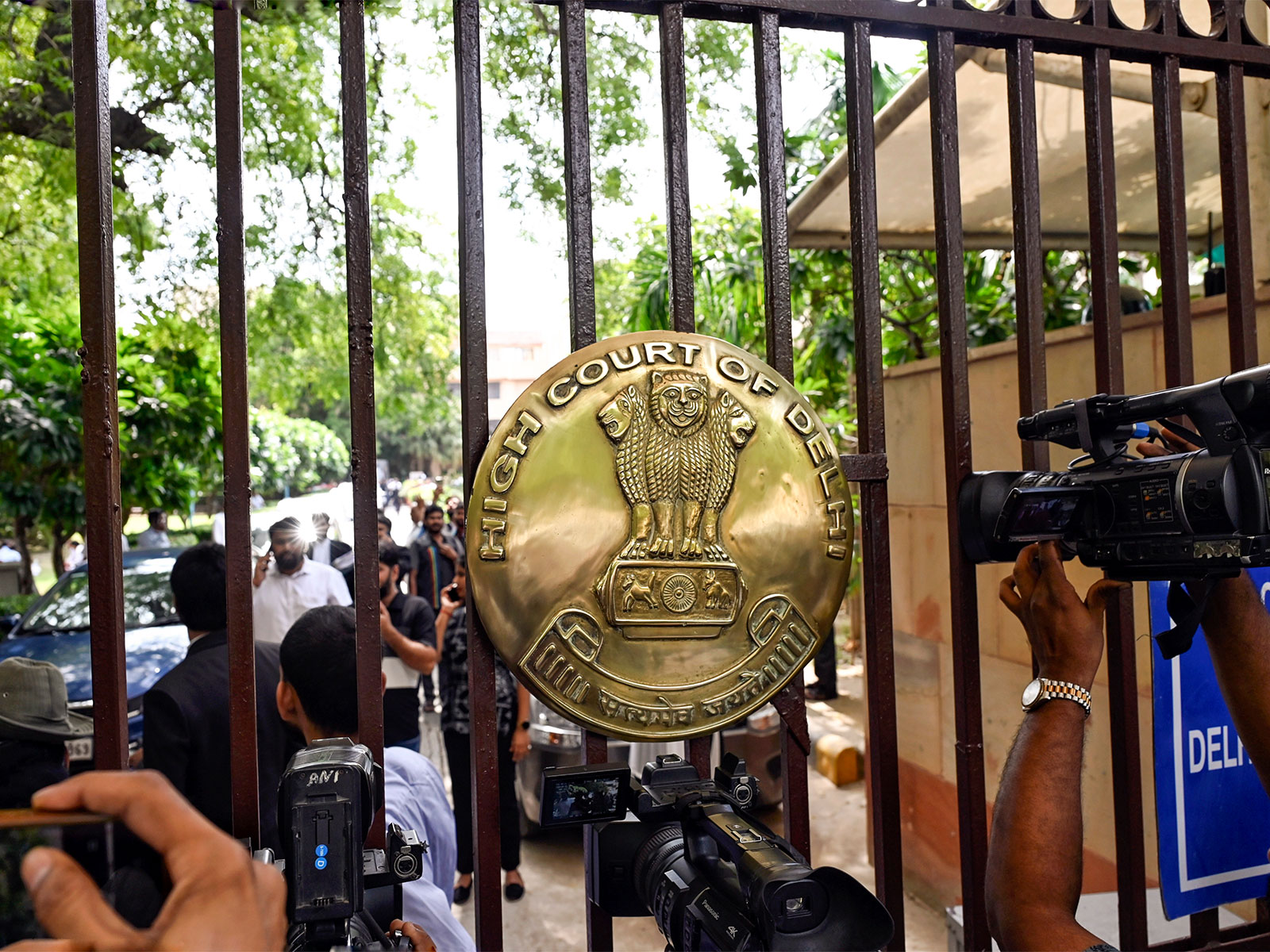
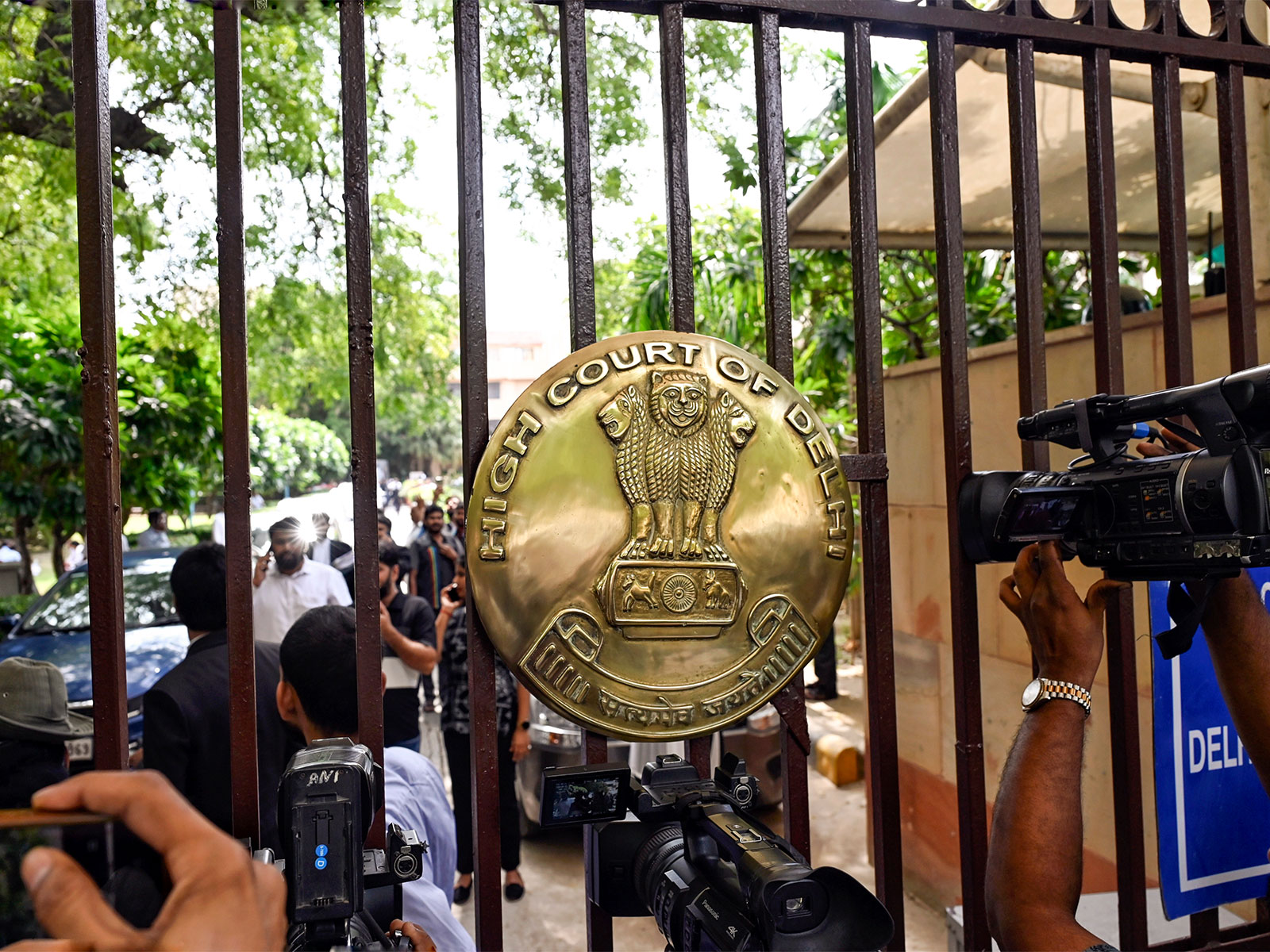
After hearing extensive arguments from Telegram and the Centre, Justice Tejas Karia reserved orders on the platform's plea challenging the blocking order issued under Section 69A of the Information Technology Act.
Defending the government's action, Solicitor General Tushar Mehta submitted that the blocking order had been passed after following due procedure and was subsequently reviewed by a committee chaired by the Cabinet Secretary.
He emphasised that the authorities possessed substantial material indicating misuse of the platform in connection with examination malpractice and argued that the Court should not lose sight of the larger public interest involved.
The Attorney General, supporting the government's stand, contended that the order was "complete in itself" and adequately recorded the reasons necessitating intervention. He argued that Telegram's challenge based on the doctrine of proportionality was misconceived in the facts of the case.
"This platform, because of its architecture, is a Frankenstein. If a country like ours cannot take preventive action, then where do we go?" Venkataramani submitted, stressing that the government was required to act before further damage could occur.
Responding to Telegram's argument that other social media and messaging platforms had not been subjected to similar restrictions, the Attorney General said the comparison was misplaced. He submitted that the government had not proceeded against other intermediaries because they possessed their own filtering and moderation mechanisms.
"We have not touched any other intermediary. They are more powerful, but we have not acted against them because they have their own filtration method," SG Tushar Mehta told the Court.
Senior Advocate Dhruv Mehta, appearing for Telegram, challenged the blocking order as disproportionate and unconstitutional. He argued that the alleged misuse of the platform by a section of users could not justify shutting down an entire communication service used by millions across the country. He contended that Telegram had been cooperating with authorities and taking action against channels and groups found to be violating the law.
Dhruv Mehta submitted that the government's action amounted to a blanket restriction affecting legitimate users and failed the constitutional test of proportionality. He argued that less restrictive alternatives were available and that the authorities had not demonstrated why a complete suspension of the platform was necessary.
The Centre, however, maintained that Telegram's features and architecture distinguished it from other intermediaries and created unique challenges in preventing the circulation of leaked examination material and related fraudulent content. According to the government, the temporary restriction was imposed as a preventive measure ahead of the NEET re-examination and was aimed solely at preserving the sanctity of the examination process.
The Court had earlier sought the Centre's response to Telegram's challenge and heard the matter on priority in view of the temporary nature of the restriction, which is scheduled to remain in force till June 22.
Following the conclusion of arguments from both sides, Justice Karia reserved orders on Telegram's plea.