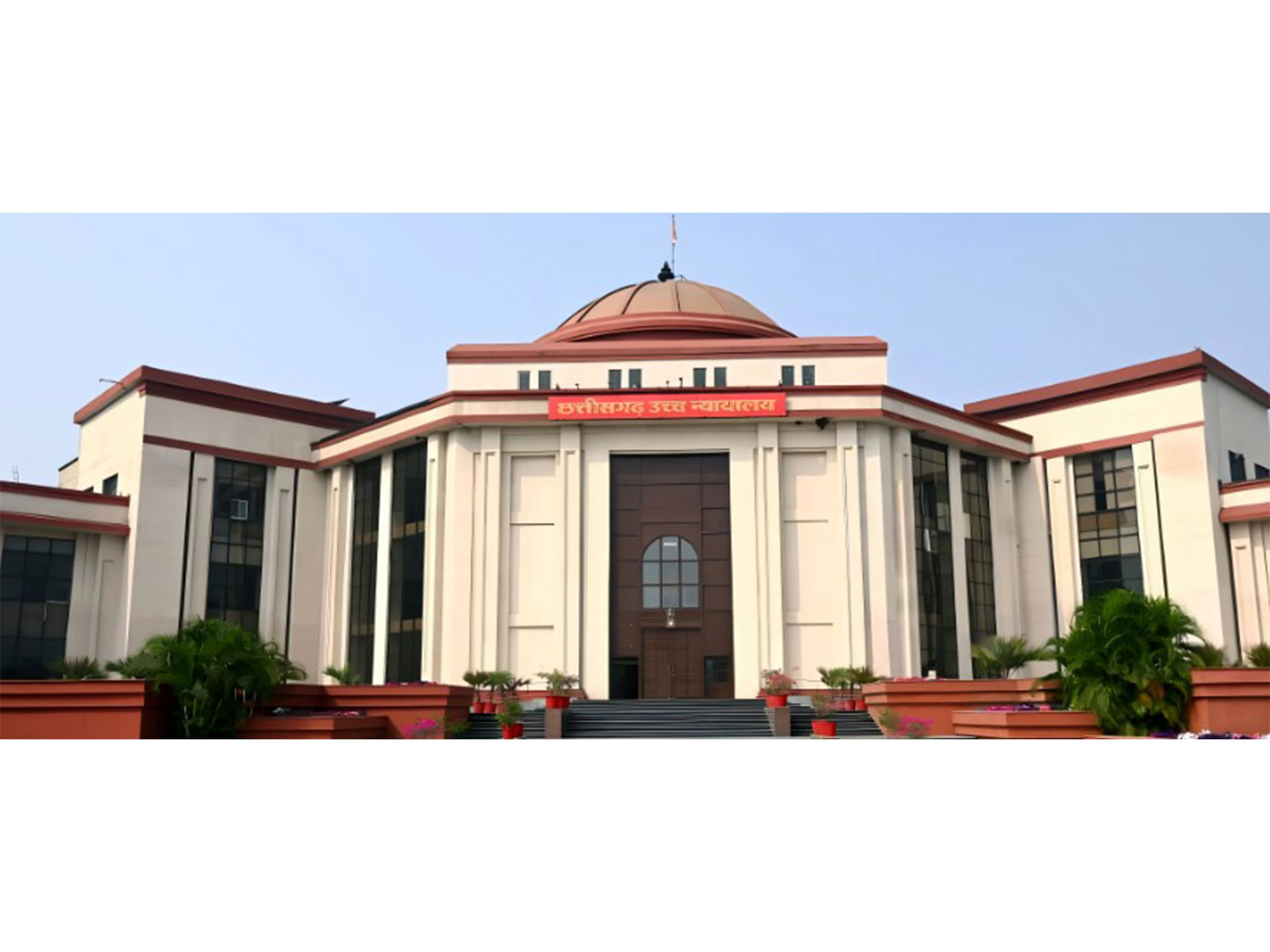
Chhattisgarh High Court grants bail to Ramgopal Agrawal in alleged Liquor Scam Case
Nov 05, 2026
Raipur (Chhattisgarh) [India], November 5 : The Chhattisgarh High Court has granted regular bail to Ramgopal Agrawal in connection with the alleged Chhattisgarh liquor scam, while imposing several conditions, including surrender of his passport and cooperation with the investigation and trial.
Justice Bibhu Datta Guru directed Agrawal to furnish a personal bond of ₹1 lakh along with two local sureties of the same amount to the satisfaction of the trial court. The Court also directed him not to threaten or influence witnesses or commit any offence while on bail.
The Court granted bail after noting that Agrawal was not named in the FIR and was implicated later in a supplementary charge-sheet. It observed that the case against him was mainly based on documentary evidence already available with the investigating agency and that no recovery was pending from him. The Court also noted that no specific overt act was attributed to him in the FIR.
Appearing for Agrawal, Advocate Arshdeep Singh Khurana, along with Advocates Harsh Shrivastava and Sajal K Gupta, argued that the applicant was innocent and had been falsely implicated in the case.
The High Court also took note of the fact that several co-accused, including those stated to be principal accused, had already been granted regular or anticipatory bail by the Supreme Court and the High Court.
Agrawal has been in custody since July 17, 2026. The Court further noted that the trial involves a large number of witnesses and voluminous documents and is likely to take considerable time. On these grounds, the Court said the principle of parity also operated in favour of the applicant.
The case arises from an FIR registered by the Economic Offences Wing/Anti-Corruption Bureau, Chhattisgarh, in connection with alleged irregularities related to the manufacture and sale of liquor in the State between 2019 and 2023.
The prosecution opposed the bail plea and alleged that Agrawal was involved in handling and channelising alleged proceeds of the scam.
However, the Court clarified that its observations were only for deciding the bail application and should not be treated as an opinion on the merits of the case. It directed the trial court to proceed independently and without being influenced by the observations made in the order. The bail application was accordingly allowed.