China faces backlash over arrest of activist in Tibet for Dalai Lama photo
Aug 06, 2026
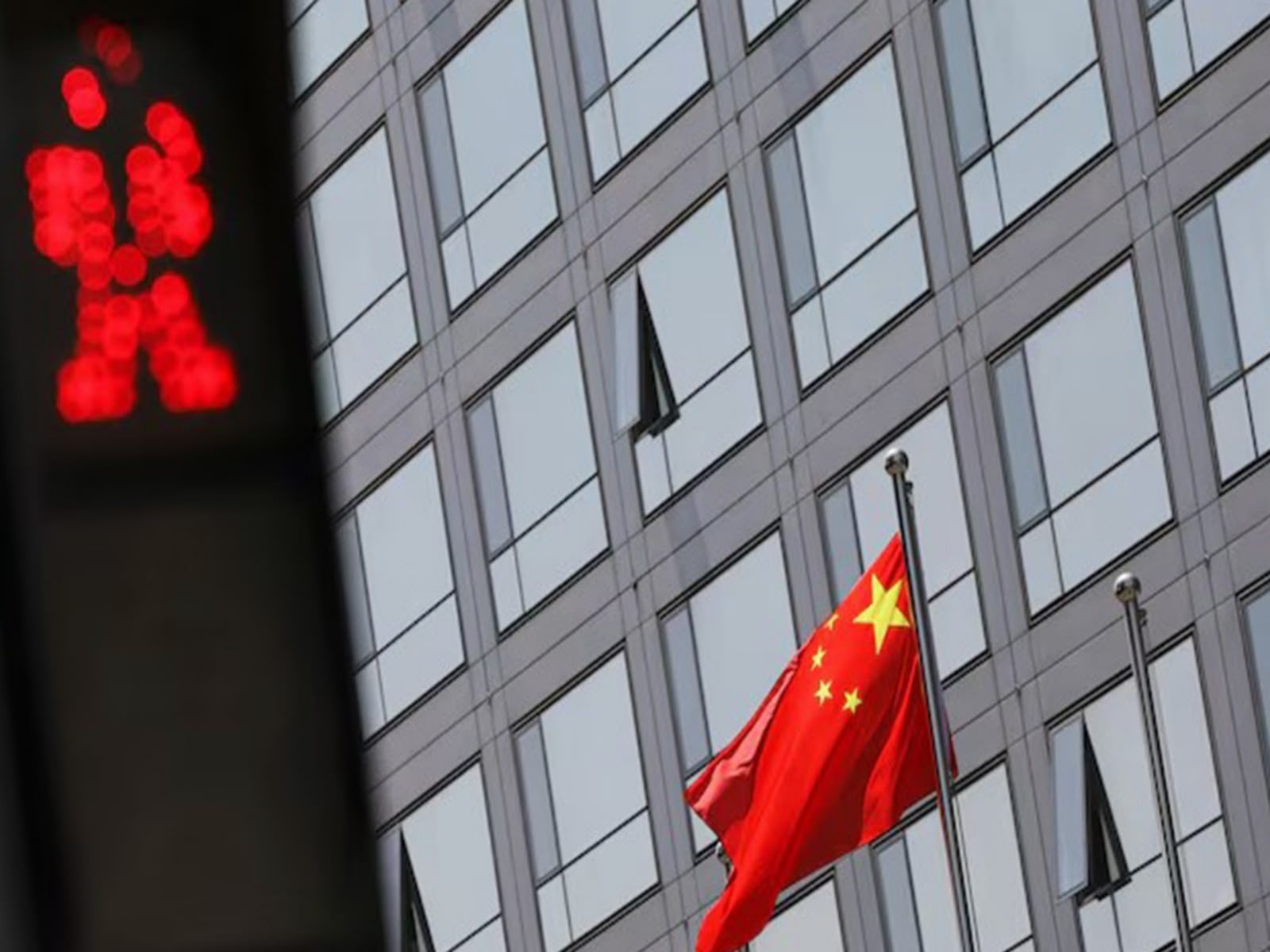
New York [US], August 6 : Chinese authorities are facing international criticism following the arrest of veteran pro-democracy activist Zhang Yi in Tibet, with Amnesty International accusing Beijing of using national security laws to suppress peaceful expression and religious freedom.
In a statement, Amnesty International's Deputy Regional Director Sarah Brooks described Zhang Yi's arrest as "a chilling reminder of how far the Chinese authorities will go to police the peaceful exercise of human rights."
According to Amnesty International, Zhang was formally arrested on July 28 on suspicion of "inciting separatism", with his family receiving an arrest notice on August 5. Authorities had informed his relatives by telephone on July 30. He is currently being held at Lhasa Detention Centre.
Zhang, a Han Chinese human rights defender from Wuhan, was detained on July 1 while visiting the Sera Monastery in Lhasa with his younger brother. After being unable to communicate verbally with a Tibetan worshipper from whom he wished to borrow a prayer mat, Zhang displayed a photograph of the Dalai Lama on his mobile phone.
Two plainclothes officers allegedly observed the interaction, recorded Zhang and his brother, and police detained him before he left the monastery.
A Criminal Detention Notice later confirmed that Zhang had been placed under criminal detention on suspicion of "inciting separatism". Chinese authorities have not publicly disclosed the factual basis for the charge.
Brooks said the case reflects Beijing's long-standing use of the offence of "inciting separatism" to criminalise peaceful expression linked to Tibetan history, culture and religion.
"Displaying a photograph of a religious leader should never be treated as a threat to national security," she said, calling for Zhang's immediate and unconditional release.
Amnesty also urged the Chinese authorities to ensure that Zhang has prompt access to his family and a lawyer of his own choosing, and to protect him from torture or other ill-treatment while in custody.