China's global crackdown shadows Uyghur activism, rights advocacy
Apr 26, 2026
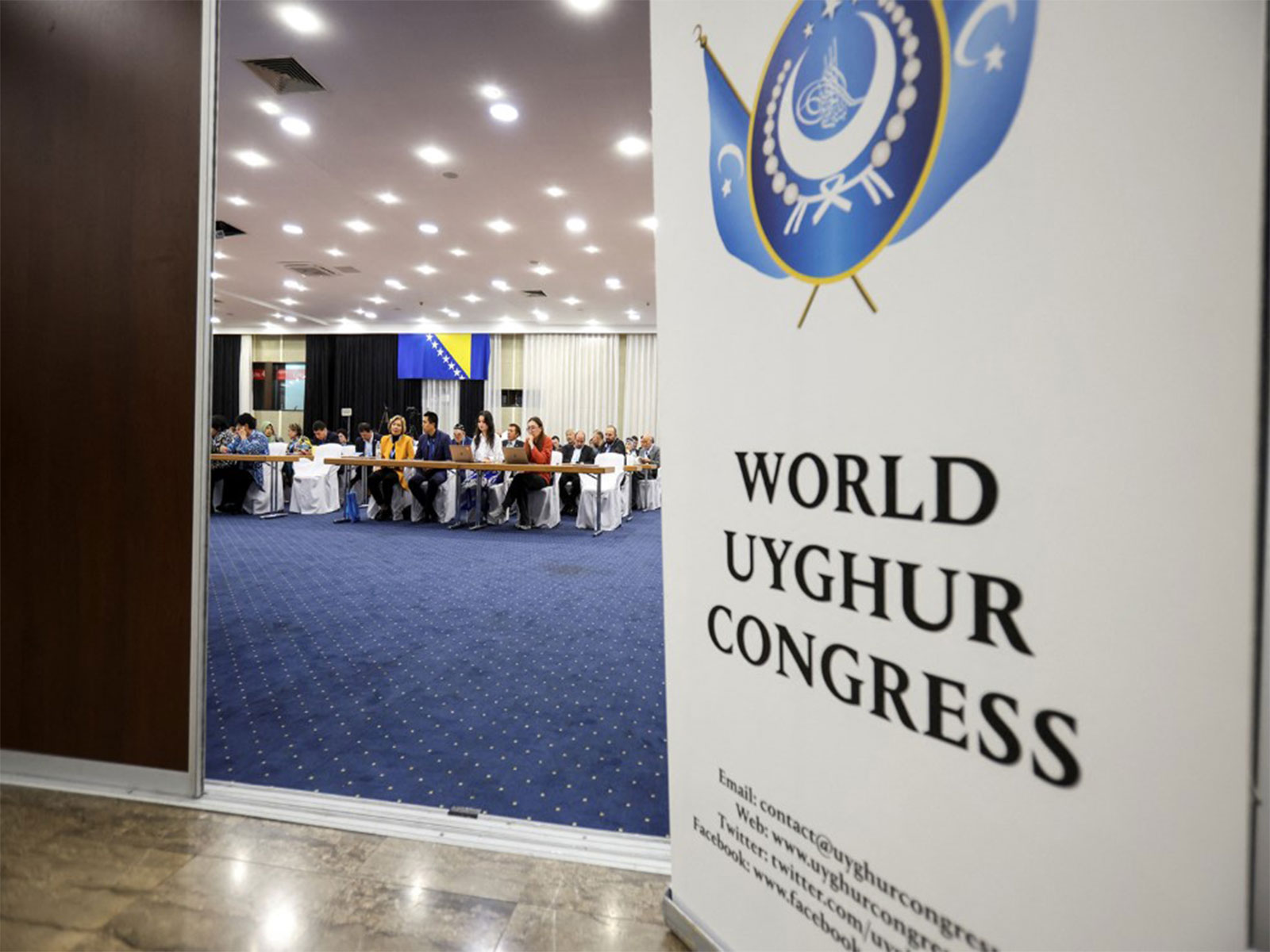
Munich [Germany], April 26 : The World Uyghur Congress (WUC) has released its weekly brief, highlighting a series of international engagements aimed at exposing what it describes as China's ongoing repression of Uyghurs, intensifying global attention on China's policies in East Turkistan.
The Uyghur community is mourning the death of prominent intellectual and activist Ahmet Igemberdi, who passed away on April 20 in Adelaide at the age of 89. Born in East Turkistan in 1937, Igemberdi dedicated decades to defending Uyghur identity and rights. His resistance to Chinese state policies led to a decade-long imprisonment. After moving abroad, he became a key figure in diaspora advocacy and helped found the East Turkistan Association of Australia in 1992. WUC paid tribute to his lifelong commitment to the Uyghur cause.
Meanwhile, concerns over China's expanding repression beyond its borders were raised in Canada. WUC Vice President Zumretay Arkin testified before a parliamentary human rights subcommittee, warning that China's transnational repression continues to target Uyghurs abroad. She argued that existing safeguards remain too narrow, often excluding everyday harassment and coercion faced by diaspora communities, and urged stronger legal frameworks and protections.
Arkin also participated in an advocacy week in Ottawa, engaging with Canadian lawmakers and civil society groups. Discussions focused heavily on allegations of forced labour involving Uyghurs and the need for stricter enforcement of legislation such as Bill C-251. Meetings included senior political figures across party lines, highlighting growing international scrutiny of China's policies.
The human cost of these tensions remains stark. April 22 marked the birthday of Yalkun Isa, who remains imprisoned in China on what activists describe as politically motivated charges. His detention, along with the life sentence of his brother, reflects what campaigners call a broader pattern of punishing families of outspoken Uyghur figures abroad.
At the United Nations in New York, Dolkun Isa addressed ongoing human rights violations, citing cultural suppression and mass detentions. His remarks were disrupted by Chinese representatives, who attempted to discredit him and called him a "separatist" and "terrorist."
Separately, an investigation by The New York Times found that some Labubu dolls contained cotton sourced from East Turkistan, raising fresh concerns over forced labour in global supply chains. The findings add to mounting pressure on companies to ensure ethical sourcing amid allegations tied to China's Xinjiang policies.