"Close to finalising trade deal with India": Marco Rubio says trade deal considered while hitting pause on fuel-purchase tariffs
Oct 19, 2026
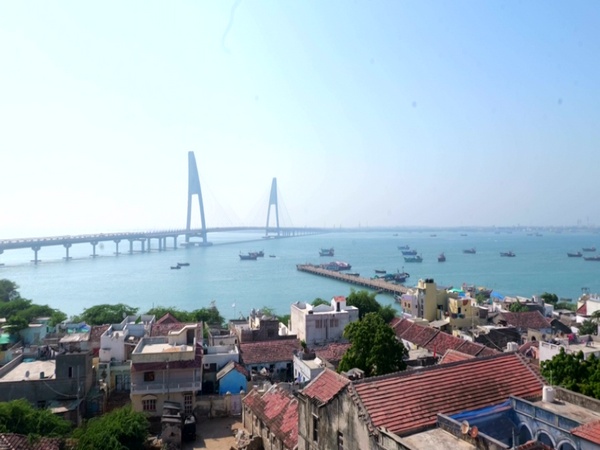
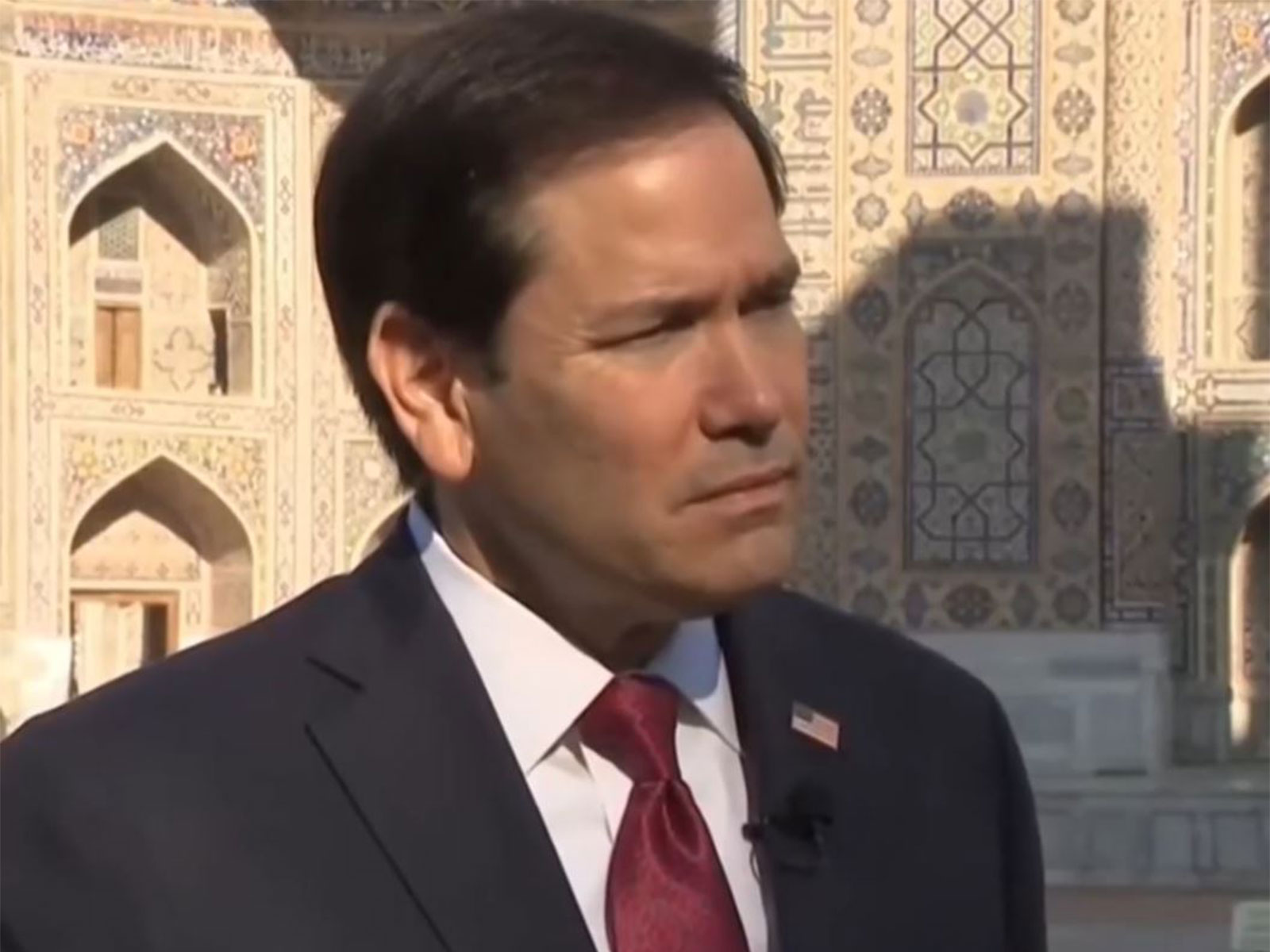
Samarkand [Uzbekistan], October 19 : United States Secretary of State Marco Rubio on Monday indicated that the US-India trade deal is close to finalisation. Rubio who is in Uzbekistan will be in Mumbai on Tuesday where he will meet External Affairs Minister S Jaishankar. Rubio will also travel to Jamnagar, home to one of the world's largest refineries, later in the week.
Speaking to reporters in Samarkand Rubio said. "We're trying to finalise a trade deal with India right now. We're very close to doing that."
"We've had to waive sanctions over the past few months because of the impact on global supplies and prices...We have to manage all of these things. We're trying to finalise a trade deal with India right now. We're very close to doing that. That's one of the things we take into consideration when the President makes a decision about national security waivers and things of that nature. Every country has a complex set of factors that it has to take into account. Geography is real. For some countries, it's very difficult to acquire energy from alternative sources. That's not an excuse, but all of that has to be balanced when making foreign policy," he added.
Earlier, a day after US President Donald Trump waived several sanctions related to Russian fuel sales that were to take effect under the Lindsey O. Graham Sanctioning Russia and Iran Act, Rubio described India as an important ally whose energy needs must be considered before putting any tariffs or sanctions in place.
The law, which has now been paused, would have imposed tariffs of up to 100% on goods brought into the US from the five largest importers of Russian crude oil or gas which includes India and China.
"These sanctions were not just sanctions on Russia. They include tariffs on a number of countries—India, for example, and others. And so I think the president wants to take the 60-day period of time to sort of analyse what imposing both sanctions and tariffs will mean to the global economy and even to the U.S. economy," Rubio said.
"You've got countries like India, for example, that have voluntarily diversified their energy portfolio, but are still getting a substantial amount of energy from Russia because it's hard to pivot from one day to the next. But they're also an important ally and partner of the United States. So we need that period of time to sort of study all this and figure out what the right combination is," he added.
Rubio said that the US President was also taking into account the changing geopolitical situation since the Lindsey Graham bill was brought into law, especially with the increase in conflict between Saudi Arabia and the Houthi militia.
"I think when the bill was passed, one of the reasons the waivers were put in there is understanding that they would need some period of time to study this, given all the different things that are that are going on in the world right now, including the pressure on global energy supplies that are happening not just because of Iran and not just because of the Straits of Hormuz, but increasingly because of the Houthis attacking Saudi Arabia, and because of the war with Ukraine and Russia, where energy infrastructure is being hit, and so that's having an impact on global prices as well," he said.
On Friday, Trump invoked Section 115 of the Graham Act, which authorises the President to waive the application of any sanctions provision with respect to a foreign person, any restriction with respect to a person, and any duty under the law.
"I have submitted to the Congress a certification that the issuance of such a waiver is in the national interests of the United States and a report explaining the basis for the certification, consistent with section 115(b) of the Graham Act," Trump said in the order.
Trump waived the application of any duties provided for in sections 112 and 113 of the Act, which allowed Trump to increase the rate of duty on all goods imported into the United States from Russia to a rate of up to 500 per cent ad valorem (relative to the value). It also allowed a duty up to 100 per cent ad valorem from the five largest importers of Russian-origin crude oil or natural gas.
Meanwhile, on his India visit Marco Rubio is scheduled to meet senior government officials to consolidate the US-India strategic partnership, share perspectives on regional and global dynamics, and discuss prospects for enhanced energy cooperation.