Commercial real estate emerging as developer's new growth engine amid strong leasing demand, stable yields
May 31, 2026
New Delhi [India], May 31 : India's real estate sector is witnessing a structural shift as commercial real estate steadily emerges as a key long-term growth driver for developers, backed by stable rental yields, increasing institutional participation, and robust occupier demand from global corporations.
While residential housing continues to remain a major pillar of the industry, developers are increasingly focusing on creating income-generating commercial assets that offer recurring revenue streams and stronger long-term value creation. Industry experts say the market is moving away from cycles driven largely by residential sales and speculative investments towards a more mature, yield-oriented model.
According to industry reports by Cushman & Wakefield, office leasing across India's top eight cities touched nearly 21.9 million square feet in the first quarter of 2026, registering a 13 per cent year-on-year growth. Global Capability Centres (GCCs) accounted for almost 40 per cent of total office absorption during the period, highlighting sustained demand from multinational corporations, BFSI institutions, technology firms, consulting companies, engineering firms and flexible workspace operators.
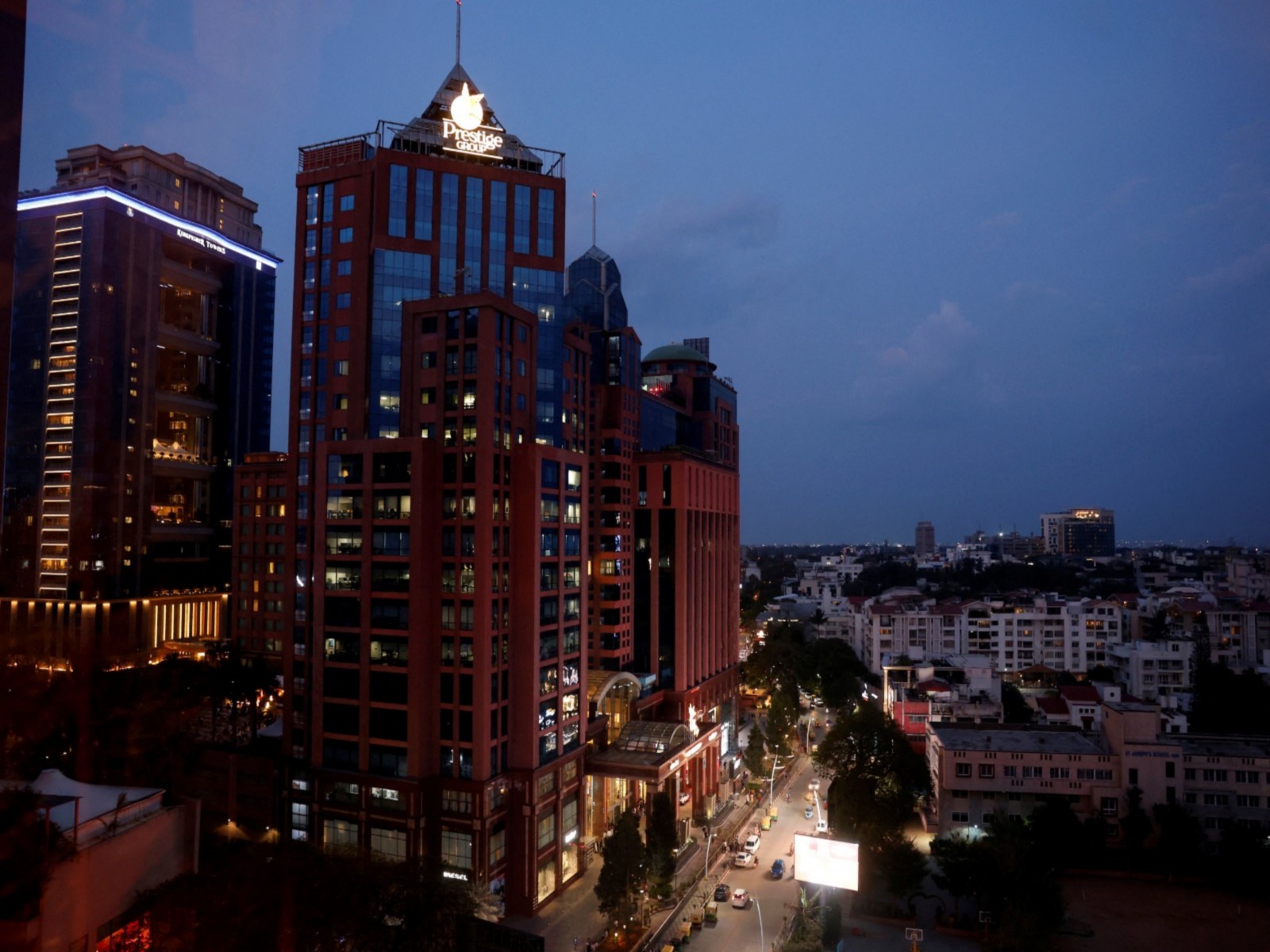
Bengaluru, Mumbai and Hyderabad remained among the strongest-performing office markets, while premium Grade A developments continued to attract significant occupier interest. Green-certified buildings and integrated commercial ecosystems are also gaining traction as occupiers increasingly prioritise sustainability, operational efficiency and enhanced employee experiences.
Industry stakeholders believe infrastructure development and urban expansion are further strengthening the commercial real estate outlook.
"Commercial real estate today is emerging as a strong long-term growth driver for developers, backed by stable returns, institutional demand, and evolving consumer preferences. Customers are increasingly investing in premium office, retail, and mixed-use developments that offer better experiences, convenience, and long-term value creation," said Prakhar Agrawal, Director, Rama Group.
He added that government-led infrastructure development, connectivity improvements and urban expansion are accelerating growth across the sector and creating fresh opportunities for developers. According to Agrawal, Tier 2 and Tier 3 cities are expected to drive the next phase of growth, supported by improving infrastructure, GCC-led demand and rising consumption.
Echoing similar views, Vikas Jain, CEO, Labdhi Lifestyle Limited, said commercial real estate is becoming a critical pillar of long-term growth for developers.
"Commercial real estate is increasingly becoming a key long-term growth driver for developers, supported by stable rental yields, institutional capital, and strong annuity income potential," Jain said.
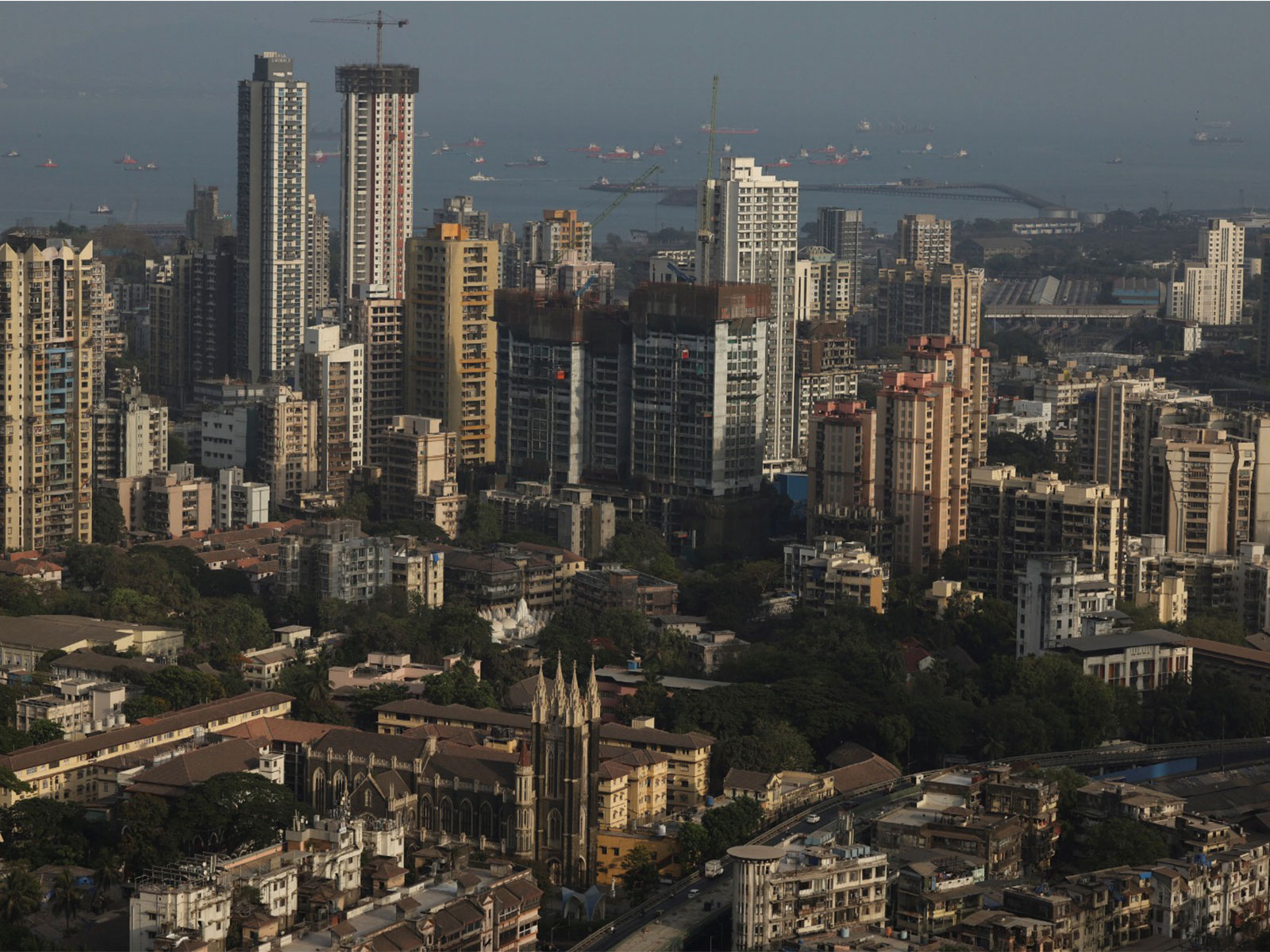
He noted that Mumbai's Bandra-Kurla Complex (BKC) continues to strengthen its position as a premier commercial hub due to limited Grade A supply and sustained occupier demand, while emerging micro-markets such as H-Block are attracting growing interest on the back of infrastructure upgrades and improved connectivity.
Industry leaders believe the next decade of real estate growth in India will be driven not only by housing demand but also by integrated commercial ecosystems combining offices, retail, hospitality, entertainment and lifestyle infrastructure, positioning commercial real estate as a significant wealth creation and economic growth engine.