CPCB clarifies Delhi AQI data gaps, says readings beyond calibrated range excluded
Nov 10, 2026
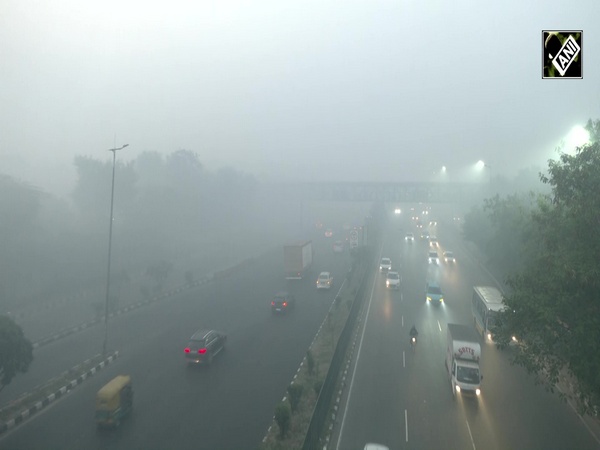
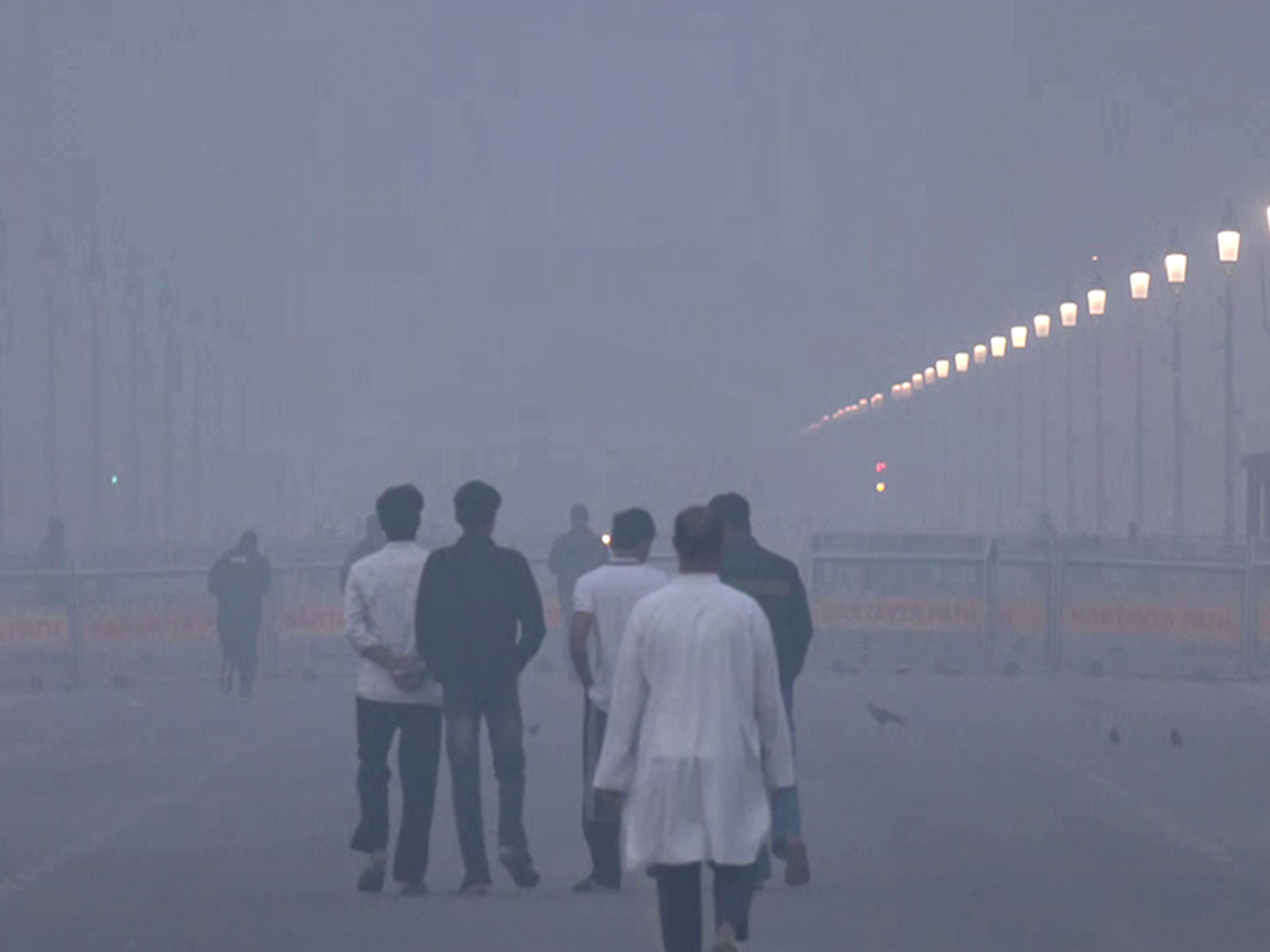
New Delhi [India], November 10 : The Central Pollution Control Board (CPCB) on Tuesday defended its National Air Quality Index (NAQI) reporting methodology amid concerns over the capping of AQI at 500, data gaps at some monitoring stations in Delhi and differences between official readings and those displayed by private platforms, stating that the variations are attributable to differences in measurement and methodology and not under-reporting.
In a clarification on post-Diwali AQI reporting, CPCB said the upper limit of 500 was a design feature of the index developed in 2015 and represented the highest level of health concern. It added that an AQI of 500 or above indicated almost the same health risk and remained within the 'Severe' category.
https://x.com/cpcb_official/status/2120168096384311550?s=46
The Board explained that the AQI was designed as a tool to communicate air quality conditions and their likely health implications in easily understandable terms. It said the AQI category and its associated health advisory were more significant than the corresponding numerical value within that category.
The NAQI, launched in 2015, was developed by CPCB through the Indian Institute of Technology Kanpur (IITK), under the guidance of an expert group comprising medical professionals, air quality experts, academic institutions, NGOs and State Pollution Control Boards.
Under the system, AQI is generated every hour using sub-indices for eight pollutants -- PM2.5, PM10, carbon monoxide (CO), nitrogen dioxide (NO2), sulphur dioxide (SO2), ammonia (NH3), ozone and lead.
CPCB said the highest sub-index among the pollutants was taken as the AQI for that hour. The calculation uses the average of the preceding 24 hours for most pollutants, while an eight-hour average is used for CO and ozone. At least three pollutants, including either PM2.5 or PM10, are required to generate an AQI.
The Board said the system operated through a fully automated mechanism without human intervention, ensuring uniformity and comparability of air quality information over time. Individual pollutant concentrations recorded at Continuous Ambient Air Quality Monitoring Stations (CAAQMS) were also available in the public domain.
Explaining the rationale behind the methodology, CPCB said NAQI measured exposure over a period of time and was designed to reflect sustained pollution levels rather than momentary spikes, such as those caused by firecracker bursting during Diwali.
On the reported data gaps at some Delhi monitoring stations, CPCB said particulate matter analysers deployed when the NAQI was introduced had a calibrated measurement range of 0-1,000 micrograms per cubic metre (µg/m³).
Accordingly, the automated data validation system treated hourly readings beyond the calibrated range as outside range, and such readings were not included in AQI calculations. During extreme pollution episodes, this could result in data gaps at the concerned monitoring stations, with those hours not contributing to the relevant pollutant's 24-hour average.
The Board acknowledged that monitoring technology had advanced since 2015 and said the replacement of instruments and expansion of the monitoring network were being undertaken continuously.
CPCB said the number of CAAQMS in the country had increased from 30 in 2014-15 to 634 at present, while the number of such stations in Delhi had risen from 10 to 59.
It added that the methodology was kept under review in view of technological advancements and international practices, while internal deliberations and consultations on processing data beyond the system's designed measurement range were underway.
Addressing differences between official AQI readings and those displayed by private applications, CPCB said various organisations and global platforms used data from government and non-government sources, including low-cost sensors that had limitations in calibration and data quality assurance.
It said some platforms calculated AQI using instantaneous hourly readings and applied breakpoints different from those prescribed under the NAQI, making their readings not directly comparable with the official index, which was based on averaged, calibrated and quality-assured data.
The Board further explained that private applications could display higher AQI during short pollution peaks but lower readings when concentrations declined, as the NAQI continued to account for exposure over the preceding 24 hours.
"The difference in AQI values is thus attributable to differences in measurement of pollutant concentration and in methodology, and not to under-reporting," CPCB said.
Reiterating that NAQI was the country's official AQI for reporting purposes, the Board said the readings were disseminated through its official portal and the SAMEER mobile application.
CPCB advised citizens to follow health advisories associated with the prevailing AQI category, particularly children, elderly people and those with respiratory or cardiac conditions. It said it remained committed to transparent and scientific air quality reporting and continuous improvement of its monitoring network and methodology.