Critical infrastructure, banks must become quantum-ready to tackle future cyber threats: President, CyberPeace
Jul 09, 2026
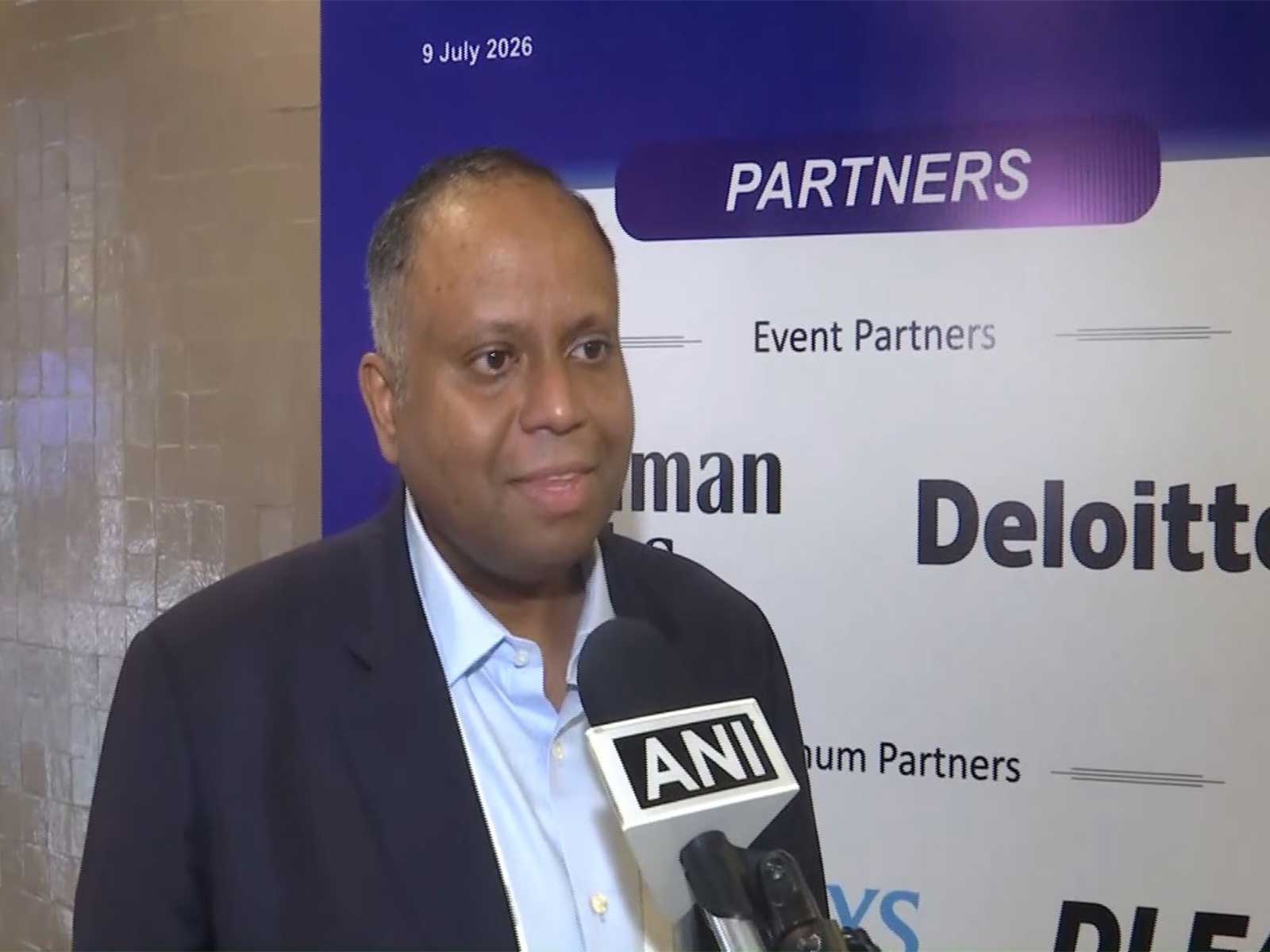
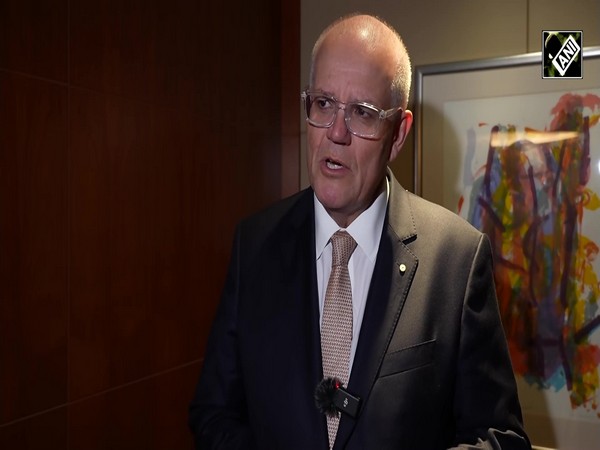
Geneva [Switzerland], July 9 : Critical infrastructure, banks and institutions handling sensitive personal data must become quantum-ready to safeguard themselves against future cyber threats, Major Vineet Kumar, Founder and Global President of CyberPeace Foundation, said on Thursday.
Speaking to ANI, Kumar said rapid advances in quantum computing could make today's cybersecurity systems vulnerable, making it essential for organisations to prepare well in advance.
"Today's security encryption standards are going to be an open book tomorrow," he said, adding that as computing technology advances, existing encryption methods, passwords and security mechanisms could become easier to break.
He said governments, businesses and institutions must first understand how vulnerable their existing infrastructure is before they can strengthen their cyber defences.
"We have to check whether we are quantum ready or not," Kumar said.
He stressed that organisations should prepare a "quantum bill of material" to identify vulnerable infrastructure, map critical data and understand which systems require immediate protection.
"You have to identify what infrastructure is vulnerable, what infrastructure needs to be secured, what is your critical data. All of these have to be mapped. Thereafter, we can talk about securing them from post-quantum attacks and other targeted attacks," he said.
According to Kumar, critical infrastructure operators should begin this exercise immediately, with banking and financial institutions among the sectors requiring urgent attention because they store large volumes of sensitive personal information.
"Banking and financial institutions are one of the key targets for these kinds of attacks. They have to be quantum ready," he said.
He added that institutions storing sensitive personal information should first understand their weaknesses, map their infrastructure and then strengthen safeguards against future cyber risks.
Kumar also said CyberPeace Foundation is working on a global roadmap to help governments, enterprises and smaller businesses prepare for the post-quantum era.
He said the organisation has established a Global Quantum Alliance, with Synergy Quantum among its founding members, and is in discussions with multilateral organisations and United Nations agencies to develop a comprehensive roadmap.
According to him, the roadmap is being designed not only for enterprises, MSMEs and smaller organisations but also for governments, as digital public infrastructure could become a target of future quantum-enabled cyberattacks.
"The roadmap is dedicated for entities and also for governments to understand at what level they can implement the particular roadmap," he said.
Apart from quantum security, Kumar stressed that digital trust must become the foundation of the next phase of digital transformation as artificial intelligence and connected devices become increasingly integrated into daily life.
He said users are sharing more personal and professional information through generative AI tools, making privacy and data protection critical.
"We are going more and more digital. Internet is almost everything. Data is the next oil," he said.
He also pointed to the rise of AI-generated scams, digital arrest frauds and other cybercrimes, saying stronger trust frameworks are needed to ensure that users remain confident while using digital platforms and emerging technologies.
Kumar further said India is well positioned to play a leading role in shaping global discussions on trusted and secure digital ecosystems due to its digital public infrastructure, skilled workforce and growing capabilities in cyber security and emerging technologies.