Delhi government approves increase in annual income eligibility limit for ration cards to Rs 2.5 lakh
May 26, 2026
New Delhi [India], May 26 : Delhi Cabinet has approved a proposal to increase the annual income eligibility limit for ration cards from Rs 1.2 lakh to Rs 2.5 lakh under the Public Distribution System (PDS).
Chief Minister Rekha Gupta had earlier talked about the enhancement of the income ceiling for ration card eligibility in Delhi.
The decision is expected to benefit lakhs of families across Delhi who were previously excluded due to the lower income threshold, a release said.
The income eligibility limit has been hiked from the earlier Rs 1 lakh to Rs 1.2 lakh and now to Rs 2.5 lakh to benefit more and more low-income households.
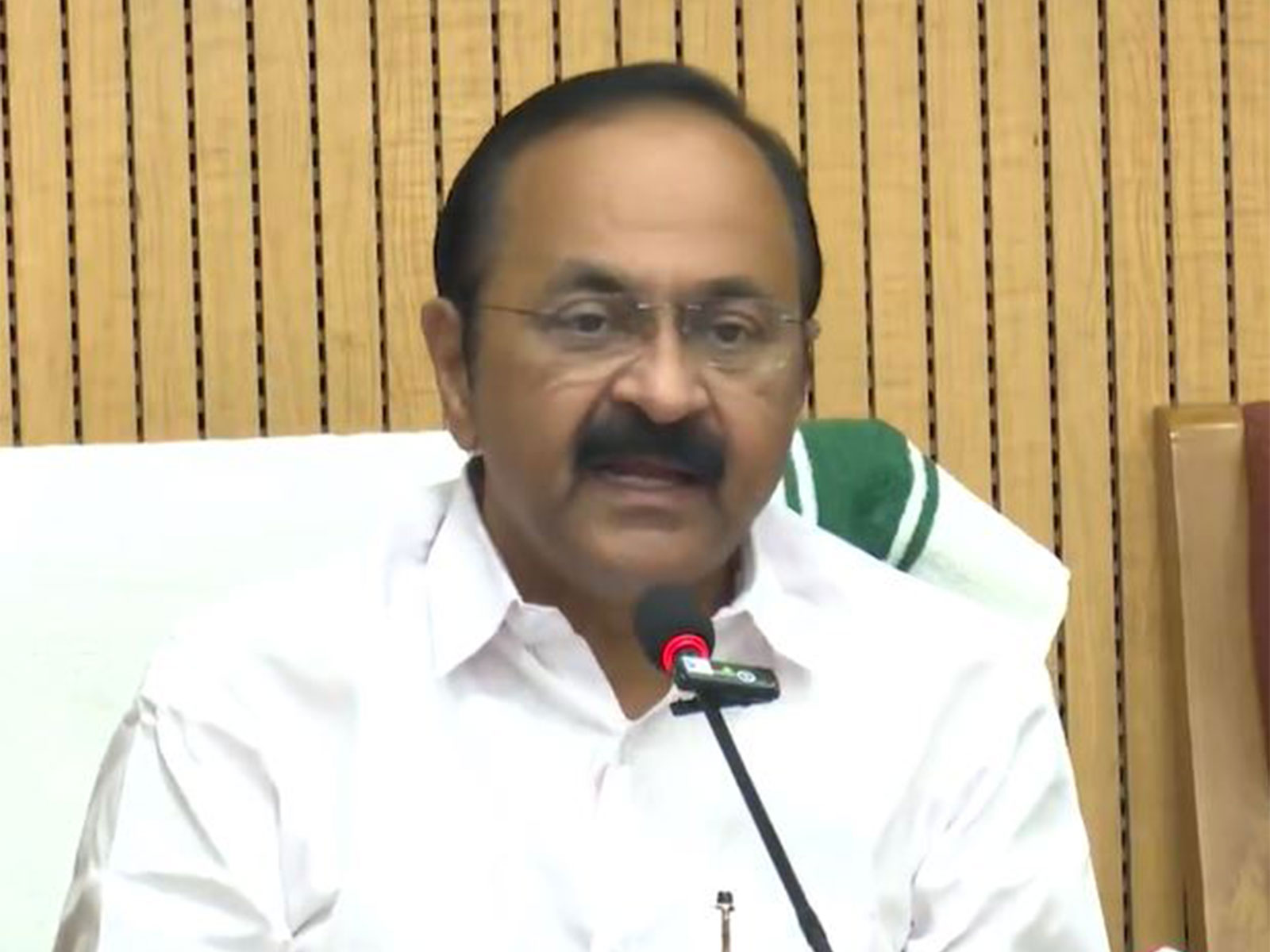
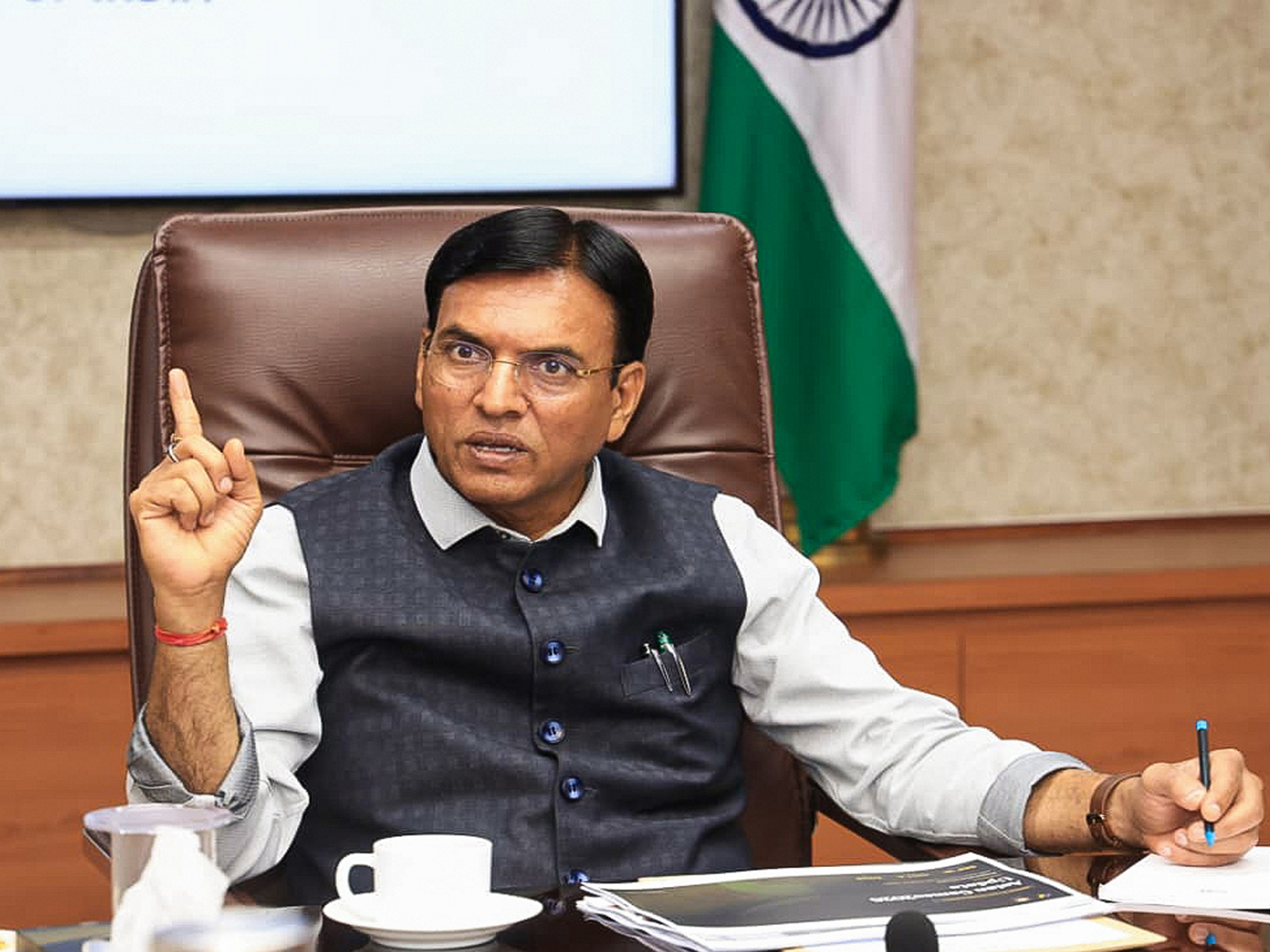
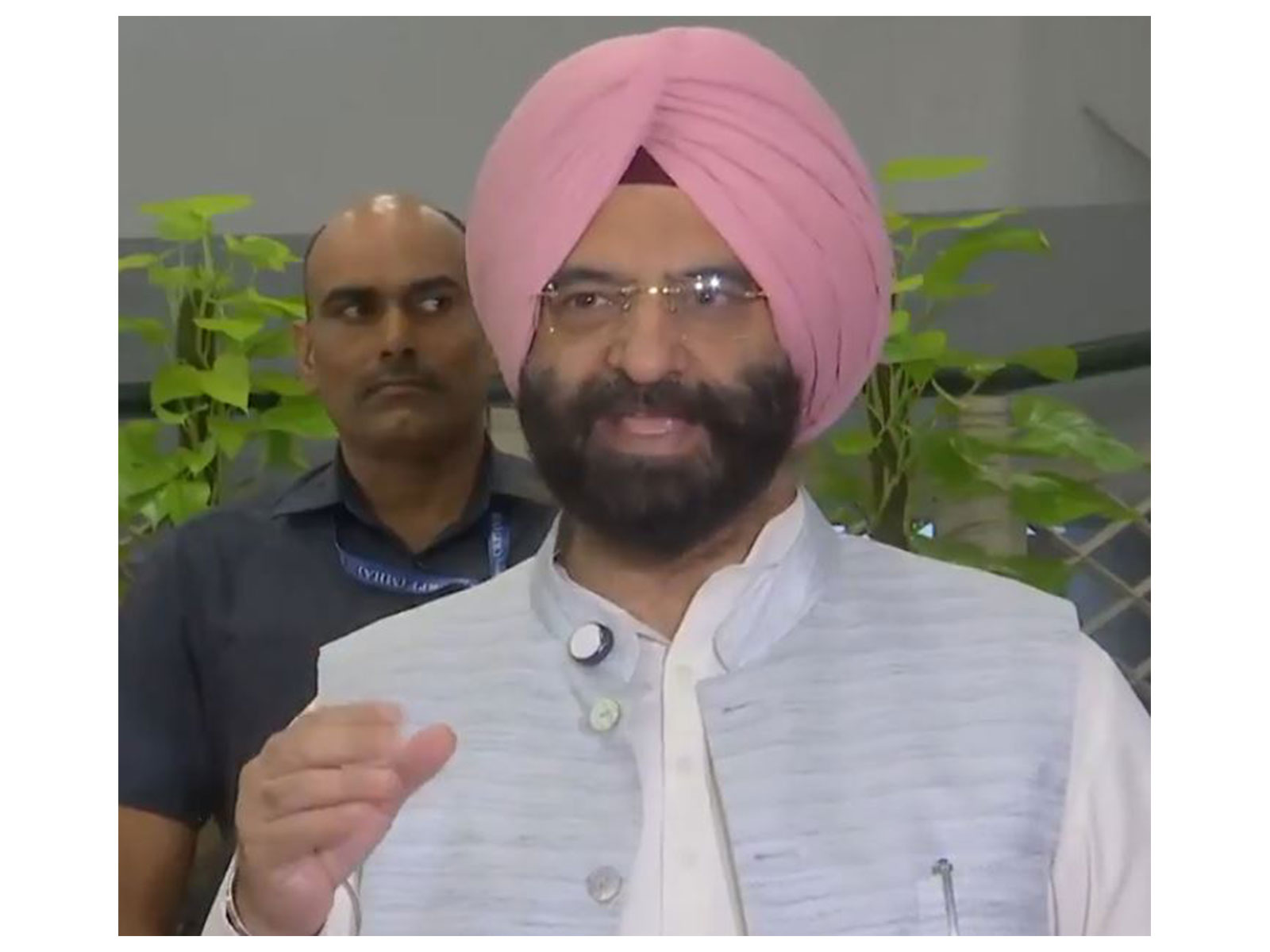
Speaking on the Cabinet decision, Minister for Food & Supplies Manjinder Singh Sirsa said earlier, the income eligibility for ration cards was very low.
"In today's times, even an annual income of Rs 1 lakh is below the level of minimum wages for a family. Keeping this in mind, the Rekha Gupta-led Delhi Government has increased the income limit to Rs 2.5 lakh so that more deserving families can avail the benefits of subsidised ration under the PDS system," Sirsa said.
He said the Delhi Government under Chief Minister Rekha Gupta is also working towards implementing a CBDC (Central Bank Digital Currency) - enabled ration distribution mechanism.
Under this system, financial assistance for ration will be directly deposited into beneficiaries' accounts, enabling them to purchase ration as needed through digital currency at ration shops.
"This will enhance transparency and eliminate mismanagement in the system," Sirsa said.
The Minister said that the proposed CBDC-based model will gradually be operationalised at ration shops and integrated with banking systems, including private banks in the future. The initiative is aimed at ensuring efficient delivery of benefits, reducing leakages, and empowering beneficiaries with greater flexibility and dignity in accessing food supplies.
CBDC in the PDS system refers to the use of Central Bank Digital Currency as the mode for delivering food subsidy benefits to beneficiaries, rather than relying solely on physical foodgrain distribution through Fair Price Shops (FPS) or unrestricted cash transfers into bank accounts. CBDC is a digital form of sovereign currency issued by the Reserve Bank of India and has the same legal status as physical currency.
Under the proposed CBDC-based PDS model, the Government will calculate the subsidy equivalent of entitled foodgrains and transfer the amount into the beneficiary's CBDC wallet. Beneficiaries will then be able to purchase rations from authorised FPS outlets after authentication through Aadhaar/e-PoS systems, with all transactions digitally recorded and reconciled for greater accountability.
CBDC-enabled PDS model is expected to make the system more transparent, portable and citizen-friendly, the release said. The mechanism will provide beneficiaries with greater flexibility in choosing authorised outlets, real-time visibility of subsidy entitlement and transaction history, and a stronger grievance redressal framework through digitally traceable records.
The model is also expected to reduce disputes at FPS levels, strengthen audit trails, improve subsidy utilisation monitoring and simplify reconciliation processes.