Delhi HC dismisses PIL seeking enforcement of unnotified BNS provision on hit-and-run cases
Jul 15, 2026
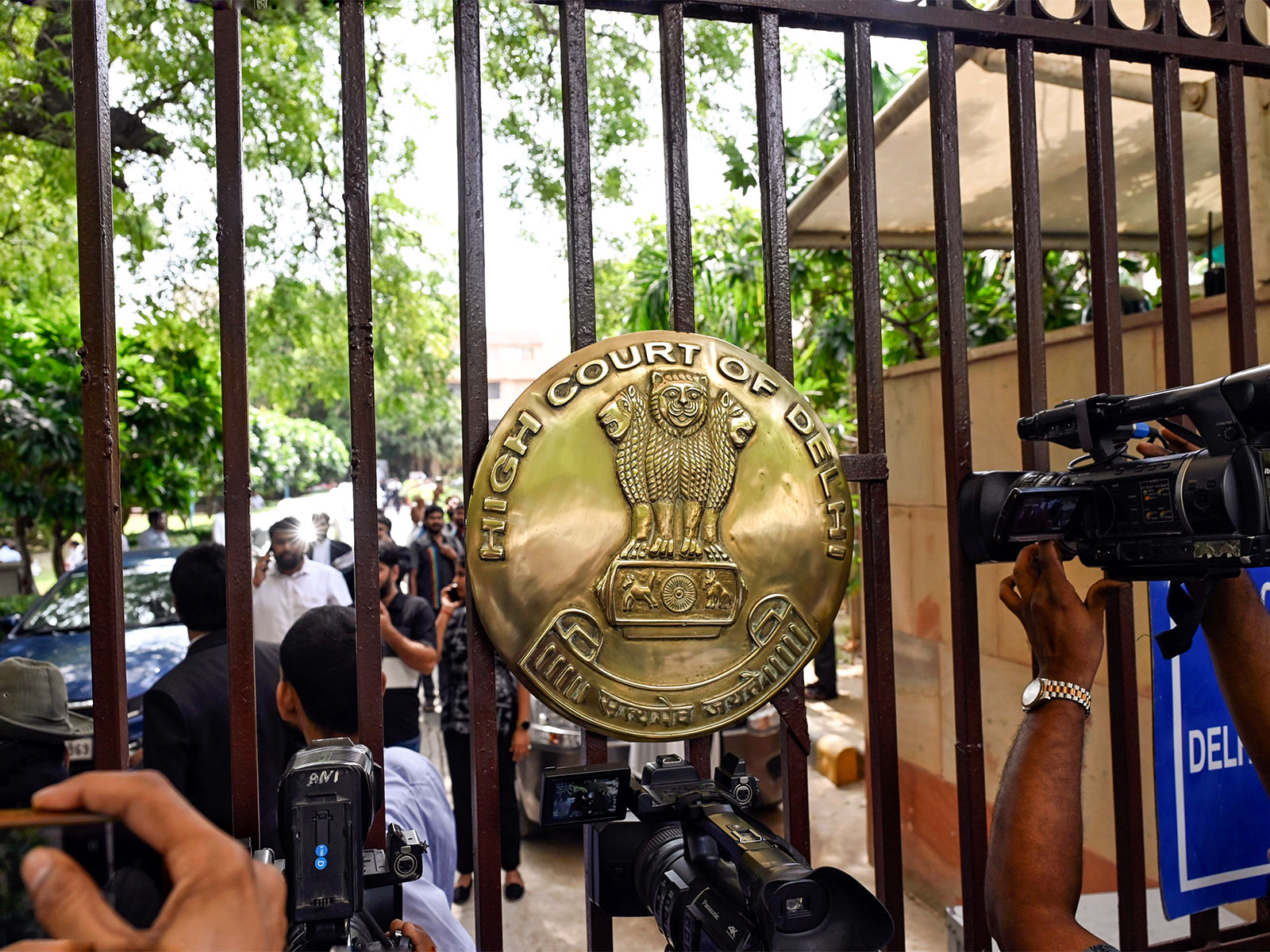
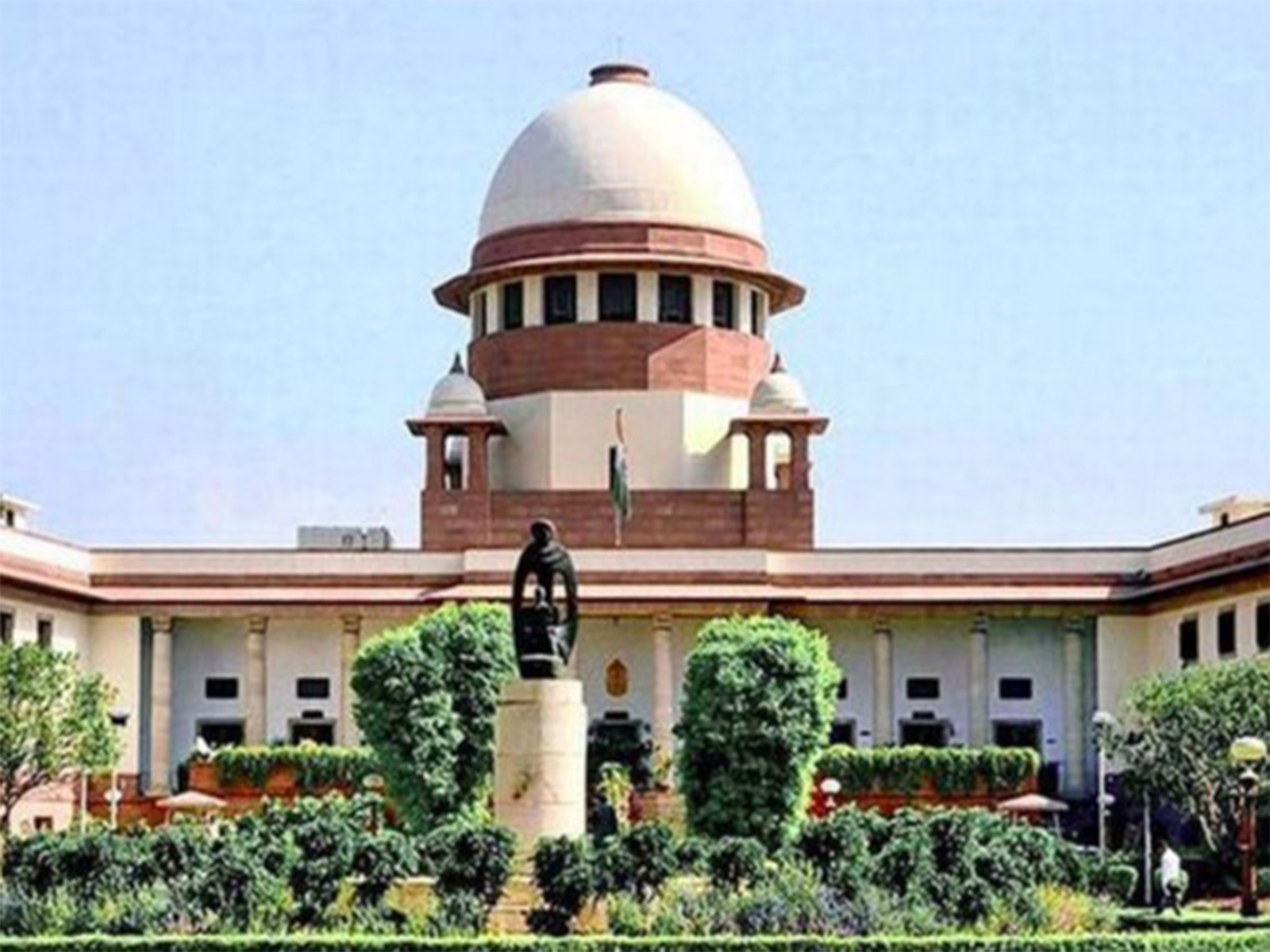
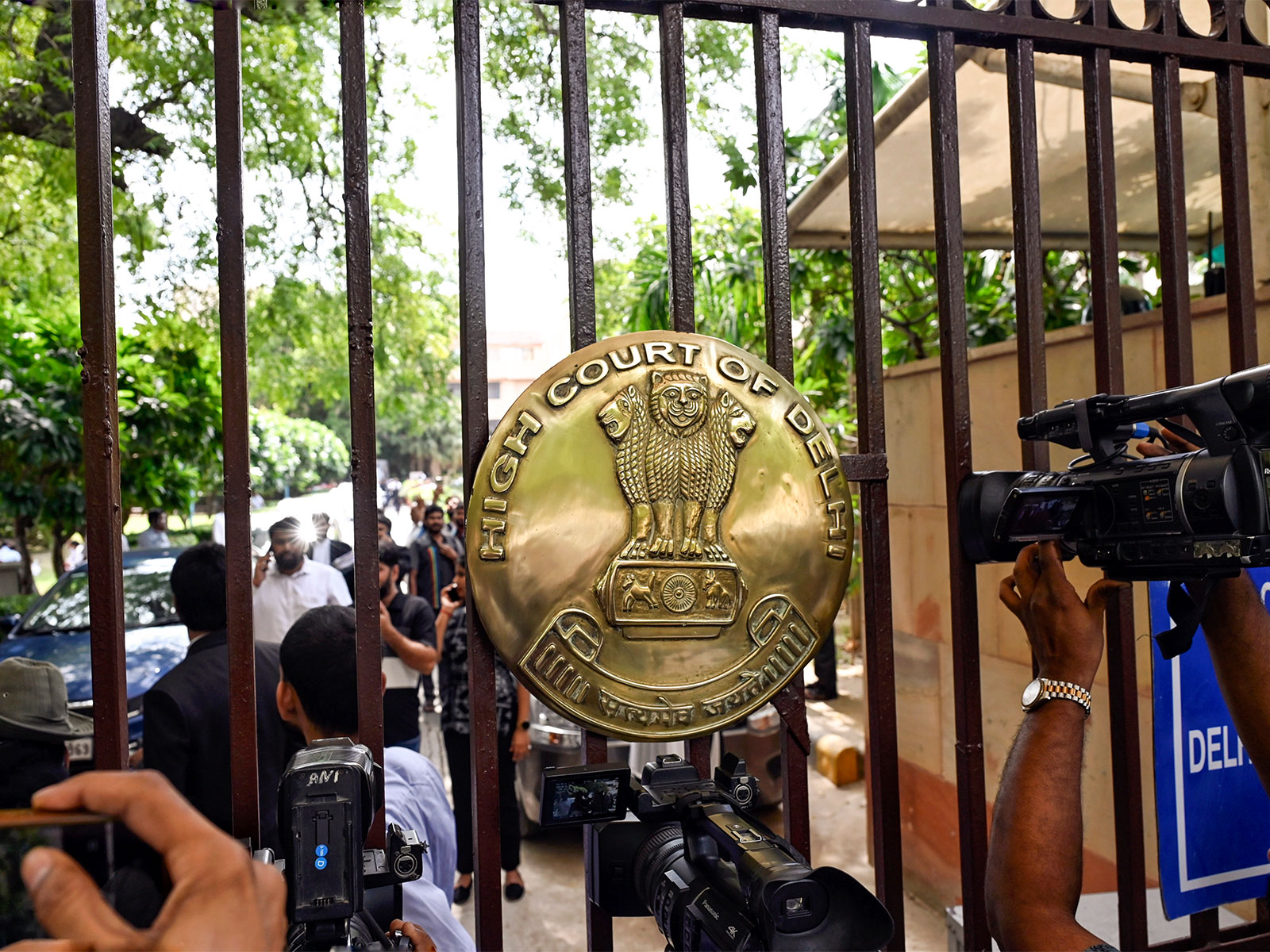
New Delhi [India], July 15 : The Delhi High Court on Wednesday dismissed a Public Interest Litigation (PIL) seeking directions to enforce Section 106(2) of the Bharatiya Nyaya Sanhita (BNS), 2023, an unnotified provision relating to punishment in certain hit-and-run cases, holding that the decision whether and when to notify a statutory provision falls within the exclusive domain of the Central Government.
A Division Bench of Chief Justice Devendra Kumar Upadhyaya and Justice Tejas Karia rejected the petition filed by advocate Ritu Gauba, who appeared as petitioner-in-person. During the hearing, as the petitioner sought to support her submissions by citing political examples, the Bench orally remarked, "Don't make this a political ground."
The Court observed that the issue of notifying any provision enacted by Parliament is a matter for the Central Government to decide in its wisdom. It held that the Court could not direct enforcement of Section 106(2) in the absence of a notification bringing the provision into force. Finding the remaining prayers in the petition to be incomprehensible, the Bench dismissed the PIL as being devoid of merit.
The petition had sought a writ of mandamus directing the Commissioner of Police to take immediate and effective measures for implementation of Section 106(2) of the BNS, contending that its continued non-notification endangered road users and violated the fundamental rights to life and free movement under Articles 21 and 19(1)(d) of the Constitution.
According to the petitioner, every citizen and even foreign nationals using roads, highways, flyovers and footpaths in India are entitled to safe travel as part of their fundamental rights. The plea asserted that hundreds of people lose their lives every day in road accidents caused by rash and negligent driving, leaving behind families who are rendered financially and socially vulnerable.
The petition further claimed that Section 106(2) continues to remain on the statute book without being notified and described the situation as a "legislative lacuna" requiring judicial intervention. It alleged that the provision had deliberately not been brought into force and argued that only the Court's intervention could ensure its implementation.
The petitioner also contended that large amounts of public money are paid as compensation in motor accident claims and argued that stricter enforcement of criminal law provisions relating to fatal road accidents would help curb reckless driving and reduce such liabilities.
Besides seeking implementation of Section 106(2), the PIL sought directions to register criminal cases against Members of Parliament over the non-notification of the provision; impose financial penalties on them until the provision is enforced; direct that such amounts be paid to a blind school in Delhi; and require police as well as Sessions Courts to invoke and frame additional charges under the BNS in motor accident cases even before Section 106(2) is notified.
Rejecting all the prayers, the High Court held that no direction as sought by the petitioner could be issued in law and dismissed the petition for lack of merit.