PIL in Supreme Court seeks monitoring of all religious and secular institutions teaching children up to 14 years
Jul 15, 2026
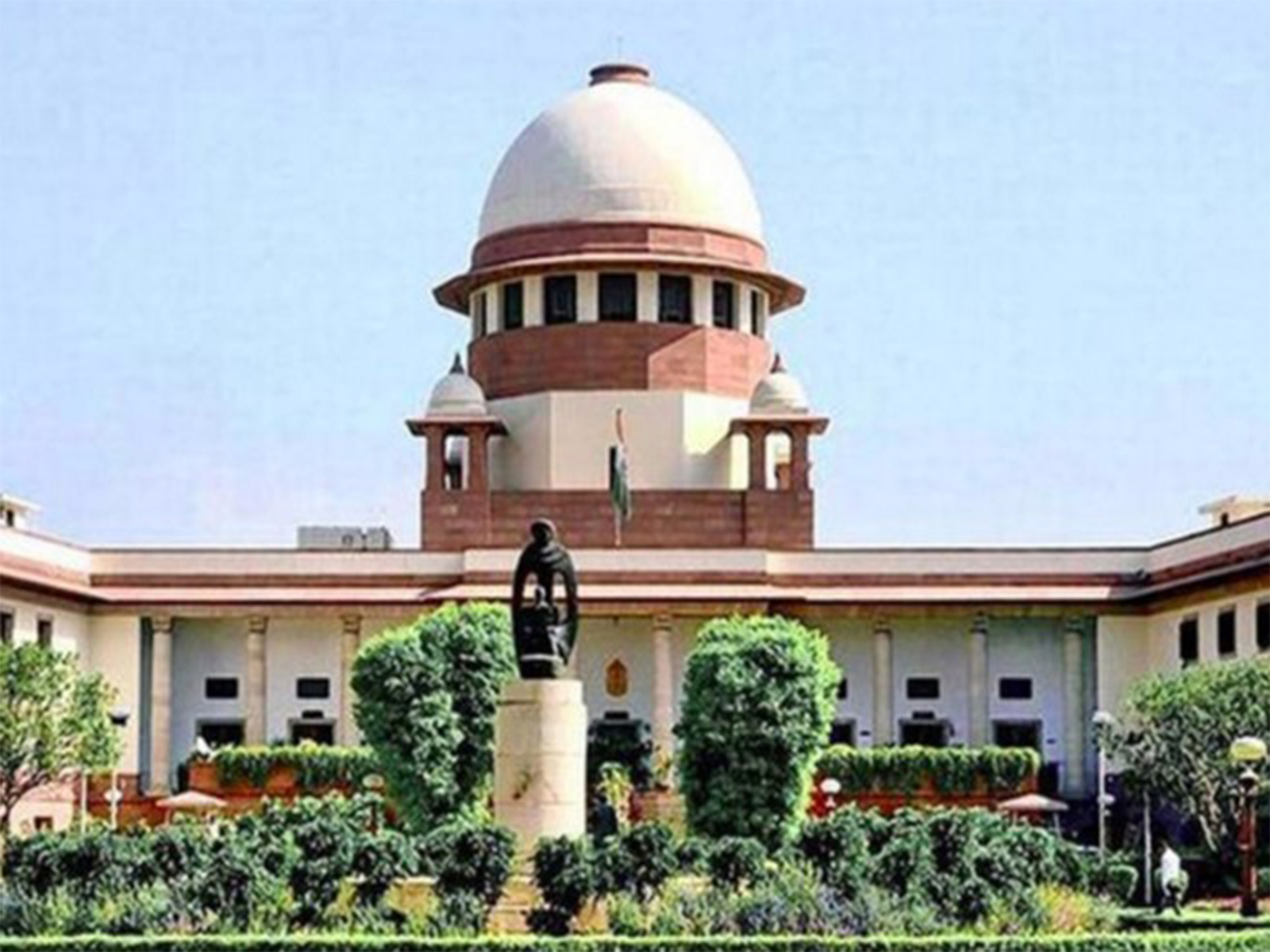
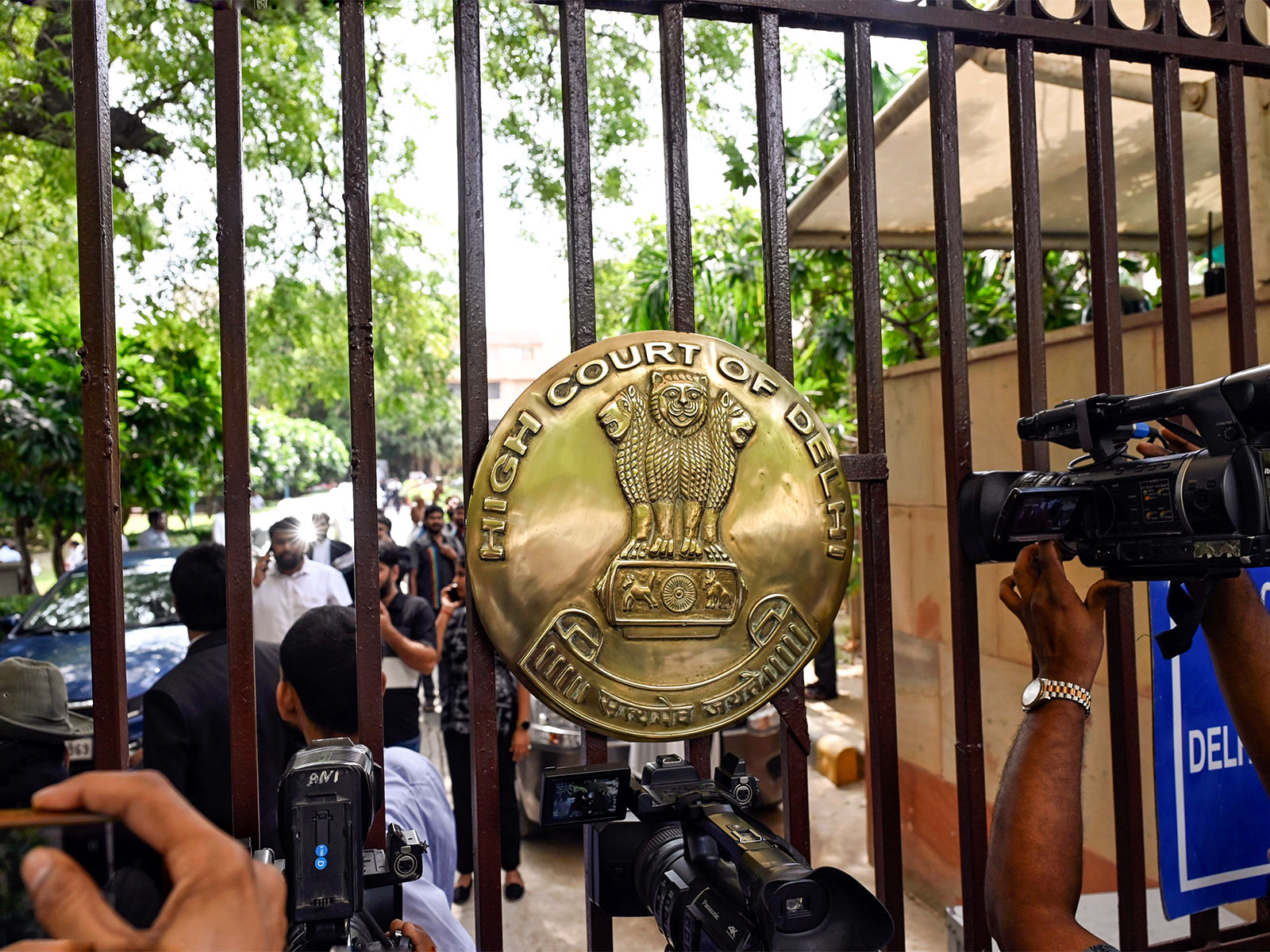
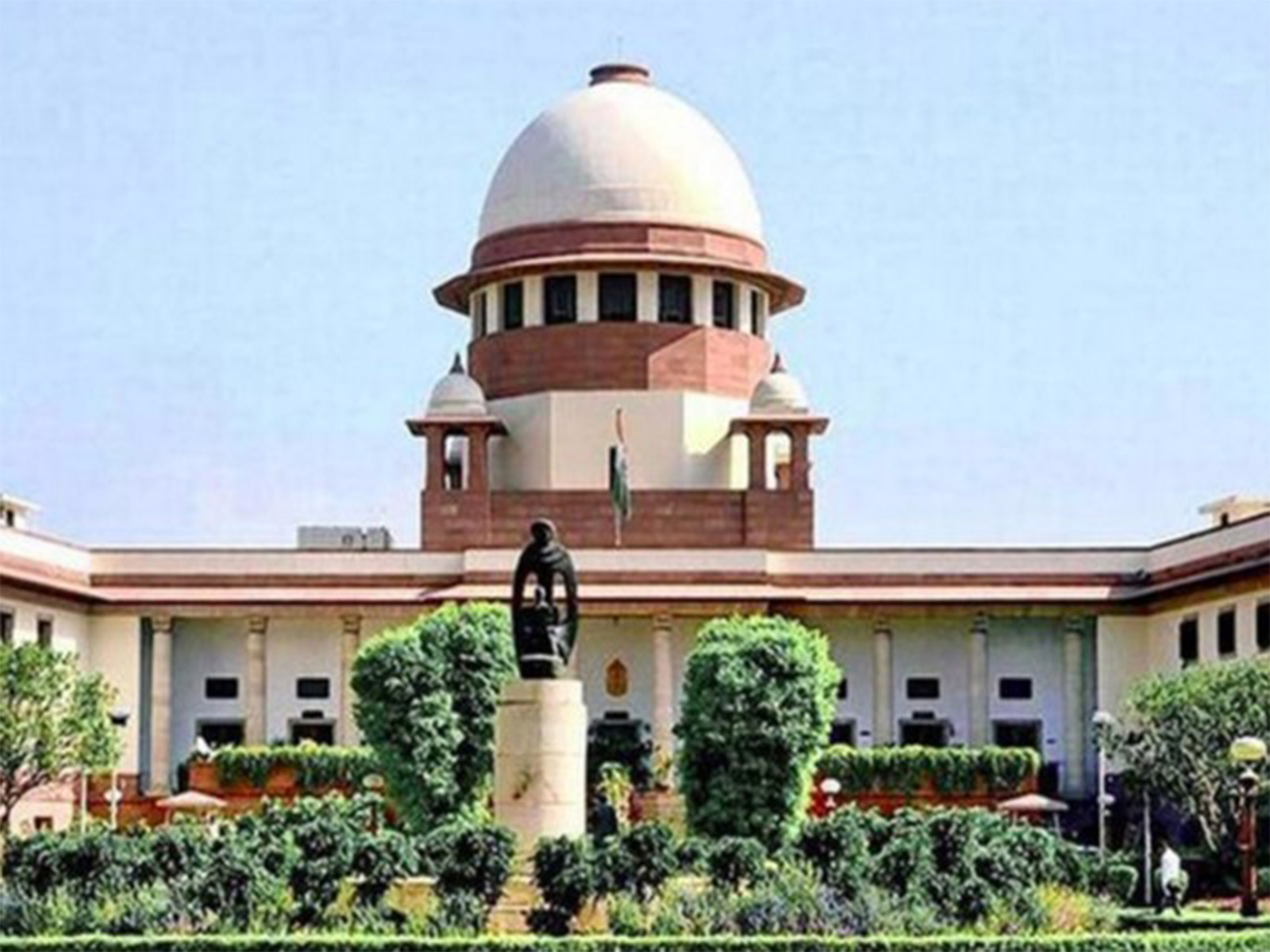
New Delhi [India], July 15 : A Public Interest Litigation (PIL) has been filed before the Supreme Court seeking directions to the Centre and all States to register, recognise, supervise and monitor every institution imparting secular education and/or religious instruction to children up to the age of 14 years.
The petition also seeks a declaration that Article 30 of the Constitution protects only minority institutions imparting secular or professional education and does not extend to institutions providing religious instruction.
Filed by advocate Ashwini Kumar Upadhyay under Article 32 of the Constitution, the petition contends that the State has a constitutional obligation under Article 21A, read with Articles 14, 15, 16, 39(f), 45 and 51A(k), to ensure that every institution educating children below the age of 14 years operates under a regulatory framework through registration, recognition and regular supervision.
According to the plea, the petitioner visited several border districts of Uttar Pradesh earlier this year and allegedly found numerous unregistered and unrecognised institutions.
The petition claims that similar institutions have proliferated in border districts across the country and argues that the absence of regulatory oversight affects children's right to quality education and raises concerns regarding their welfare and safety.
The PIL argues that institutions imparting religious instruction should constitutionally fall within the ambit of Article 26, which deals with institutions established for religious and charitable purposes, rather than Article 30.
It seeks a declaration that Article 30 is merely a specific reiteration of the right guaranteed under Article 19(1)(g) to establish educational institutions and does not confer any additional rights or privileges beyond those available to other citizens.
The petitioner further contends that the expression "educational institutions of their choice" occurring in Article 30 should be interpreted to mean secular or professional educational institutions and not institutions imparting religious instruction. The plea asserts that any institution promoting religion by imparting religious instruction ought to be governed by Article 26 of the Constitution.
The petition also questions the absence of a statutory definition of "minority" and seeks judicial directions to the Union Government to define the term and lay down objective parameters for identifying minority communities. In the alternative, it requests the Court to evolve appropriate guidelines for such identification.
Referring extensively to constitutional provisions, Constituent Assembly Debates and previous Supreme Court decisions, the petitioner argues that Articles 25 to 28 constitute a complete constitutional code governing religious freedom, while Articles 29 and 30 are intended exclusively to protect cultural and educational rights of minorities. The plea submits that Article 30 was designed to safeguard minority educational institutions and not to regulate or protect religious instruction.
In its prayer, the petition seeks directions to the Centre and States to regulate all institutions imparting education or religious instruction to children below 14 years of age.
It further seeks declarations that Article 30 is a reiteration of Article 19(1)(g); that institutions imparting religious instruction fall under Article 26 and not Articles 19 or 30; and that the phrase "educational institutions of their choice" in Article 30 refers only to secular or professional educational institutions.