Delhi HC seeks complete medical record of Sonam Wangchuk, says test reports must match patient's clinical condition; hearing to continue on Tuesday
Jul 20, 2026
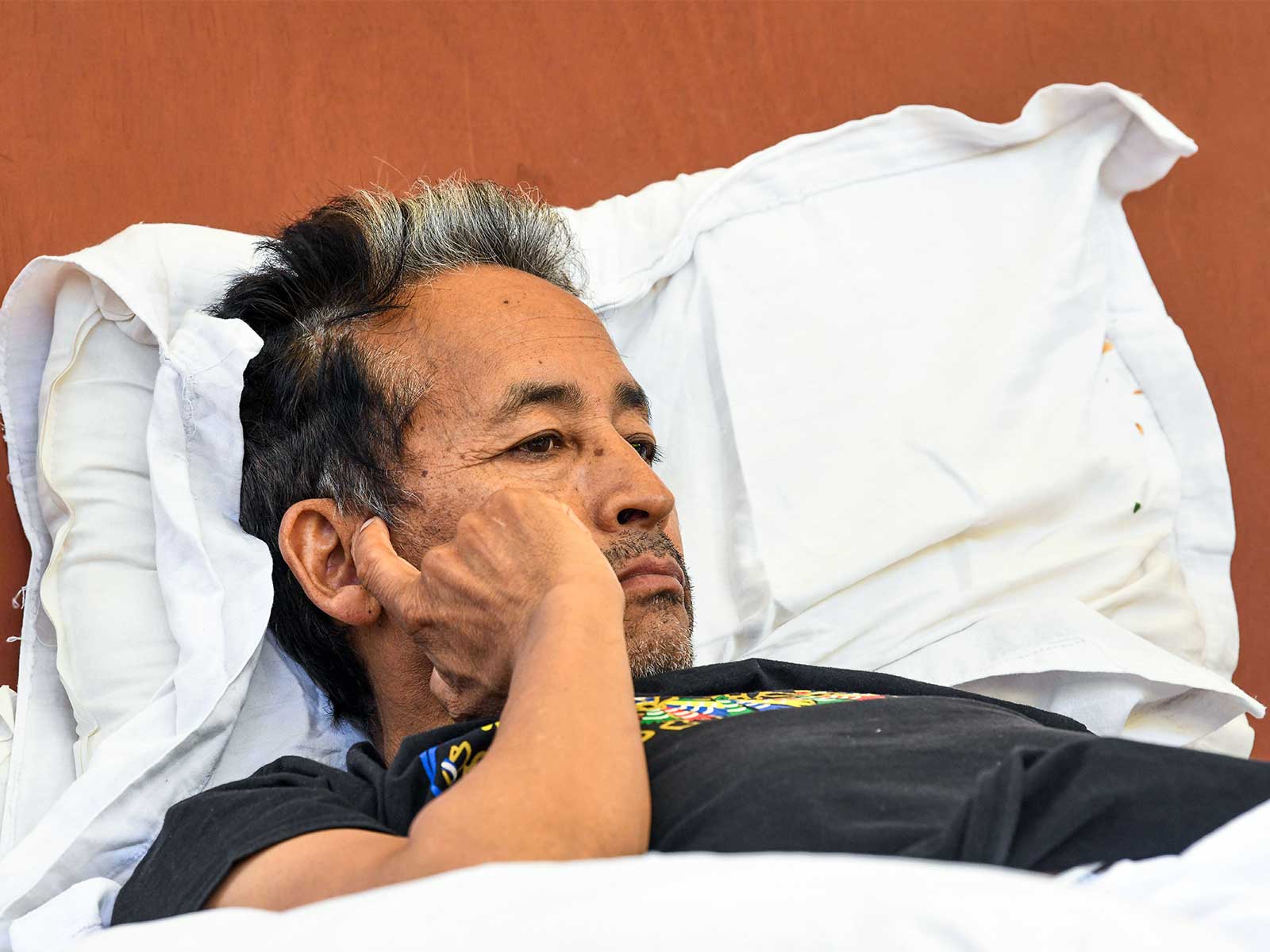
New Delhi [India], July 20 : The Delhi High Court on Monday sought complete medical records of climate activist Sonam Wangchuk while hearing an appeal filed by his wife, Dr Gitanjali Angmo, challenging a Single Judge's refusal to allow his discharge from Safdarjung Hospital and transfer to Medanta Hospital.
A Division Bench of Chief Justice Devendra Kumar Upadhyaya and Justice Tejas Karia observed that pathology reports alone cannot determine a patient's condition and said they must always be read along with the patient's clinical condition.
The Bench directed Safdarjung Hospital to file an affidavit placing on record all pathology reports prepared by Safdarjung Hospital, AIIMS and the private laboratory, along with all health bulletins issued regarding Wangchuk's health. The appellant was also directed to file the reports obtained from the private laboratory.
The Court requested the Director of AIIMS, Dr Akshay, In-charge of Emergency Medicine at AIIMS, the doctor heading Wangchuk's treatment at Safdarjung Hospital and the doctor consulted by Wangchuk's family to remain present during the next hearing. The matter will now be heard on Tuesday.
Appearing for Dr Angmo, Senior Advocate Akhil Sibal argued that the Division Bench's July 16 order had only directed regular medical monitoring of Wangchuk during his hunger strike and had not authorised the authorities to forcibly shift him from the protest site.
Sibal submitted that Wangchuk's medical reports dated July 17 showed his potassium level was within the normal range and that he was under the supervision of both government and private doctors.
He argued that despite this, Wangchuk was taken to Safdarjung Hospital on July 18 without consulting him or his family and without sharing his medical reports.
"Without any consultation with the family, without any prior intimation and without sharing any reports, my husband was forcibly taken to Safdarjung Hospital," Sibal submitted. "There was no sanction for such action."
Sibal further alleged that the family repeatedly sought copies of Wangchuk's medical reports but they were initially not provided. He also claimed that doctors who had been monitoring Wangchuk during his fast were not allowed to examine him after he was admitted to Safdarjung Hospital.
Reading from a representation submitted to the hospital, Sibal said the family had requested Wangchuk's discharge so that he could be shifted to a hospital of their choice for an independent medical assessment.
He also told the Court that the family had to wait nearly ten hours before blood samples were collected for independent testing and that those reports showed potassium levels within the normal range.
Referring to Supreme Court judgments on informed consent, Sibal argued that Wangchuk was fully conscious, mentally alert and capable of deciding his own medical treatment.
"He is not in the ICU. He is not on any life support. He is conscious, cogent and even writing letters himself," Sibal submitted.
He argued that the key issue was whether a person who was neither under arrest nor detention could be compelled to remain in a government hospital against his wishes.
According to Sibal, Wangchuk was willing to leave the hospital even against medical advice and had a constitutional right to continue his peaceful hunger strike.
During the hearing, Chief Justice Upadhyaya observed that while medical reports should have been shared with the family, treatment decisions could not be based only on laboratory values.
"Any report or test conducted ought to have been shared with you," the Court observed, adding that "the pathological reports are always to be corroborated with the clinical condition of the patient."
The Bench also remarked that prolonged fasting could put stress on the kidneys and sought Wangchuk's latest medical records before taking any decision.
Appearing for the Union Government, Solicitor General Tushar Mehta submitted that the State's only concern was to protect Wangchuk's life.
He argued that when a protester's health deteriorates to a stage where there is a risk to life and possible law and order implications, the State has a duty to intervene.
"We are not dealing with a case of euthanasia. We are dealing with a person who has a right to protest, but the State also has a duty to protect life," Mehta submitted.
He informed the Court that an AIIMS doctor has been permanently stationed at Safdarjung Hospital after Wangchuk expressed reservations about the local medical team. He also said the treating doctors had advised immediate oral or intravenous fluids, but the family had not yet agreed to the recommended medical intervention.
Before concluding the hearing, the Court directed that if any medical intervention becomes necessary before the next hearing, the treating doctors should first consult the Director of AIIMS.
The appeal, along with the connected plea concerning the alleged surveillance of protesters at Jantar Mantar, will now be taken up for further hearing on Tuesday.