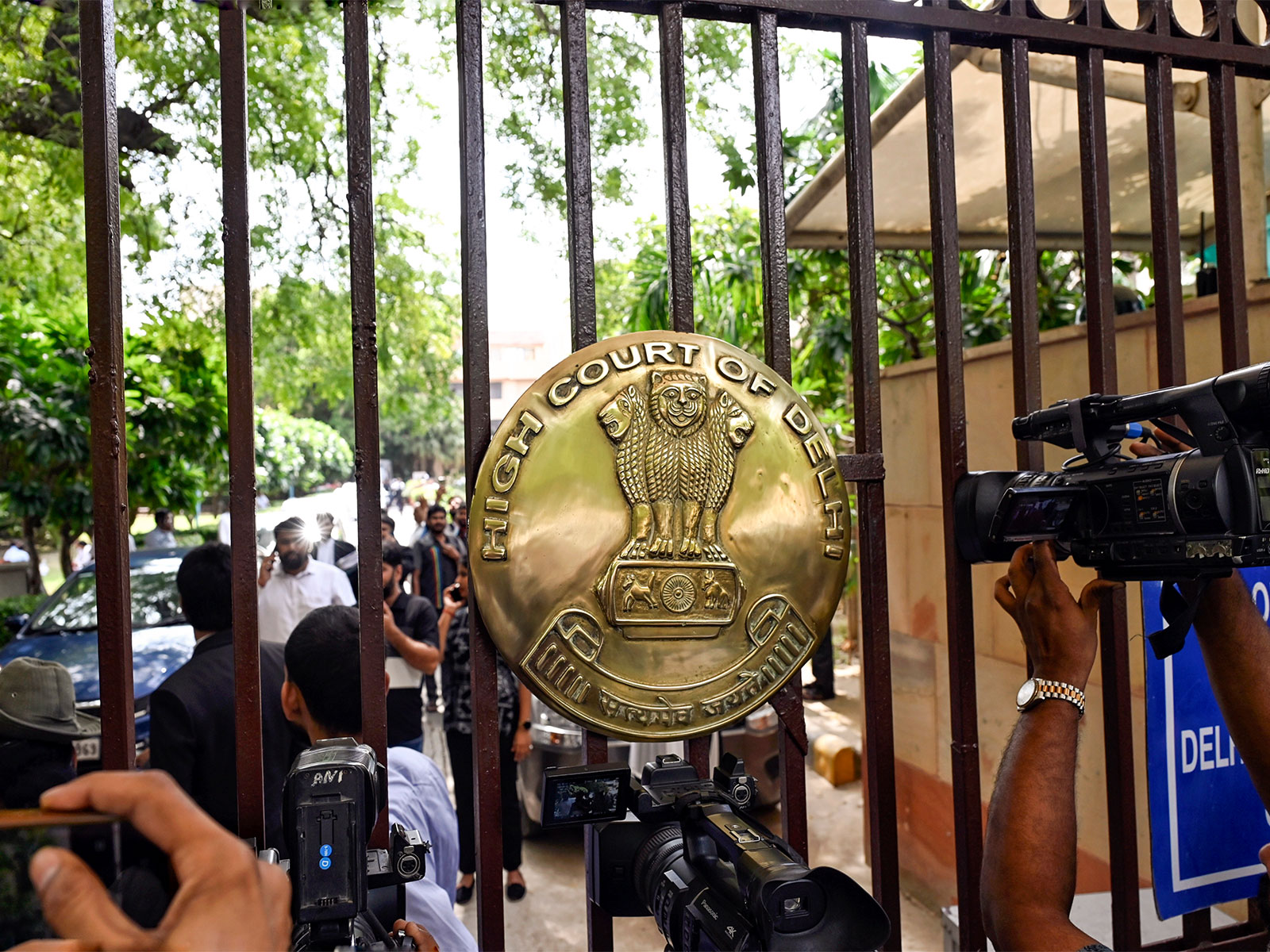
Delhi High Court upholds conviction of five men in 2020 Delhi riots killing case
Oct 28, 2026
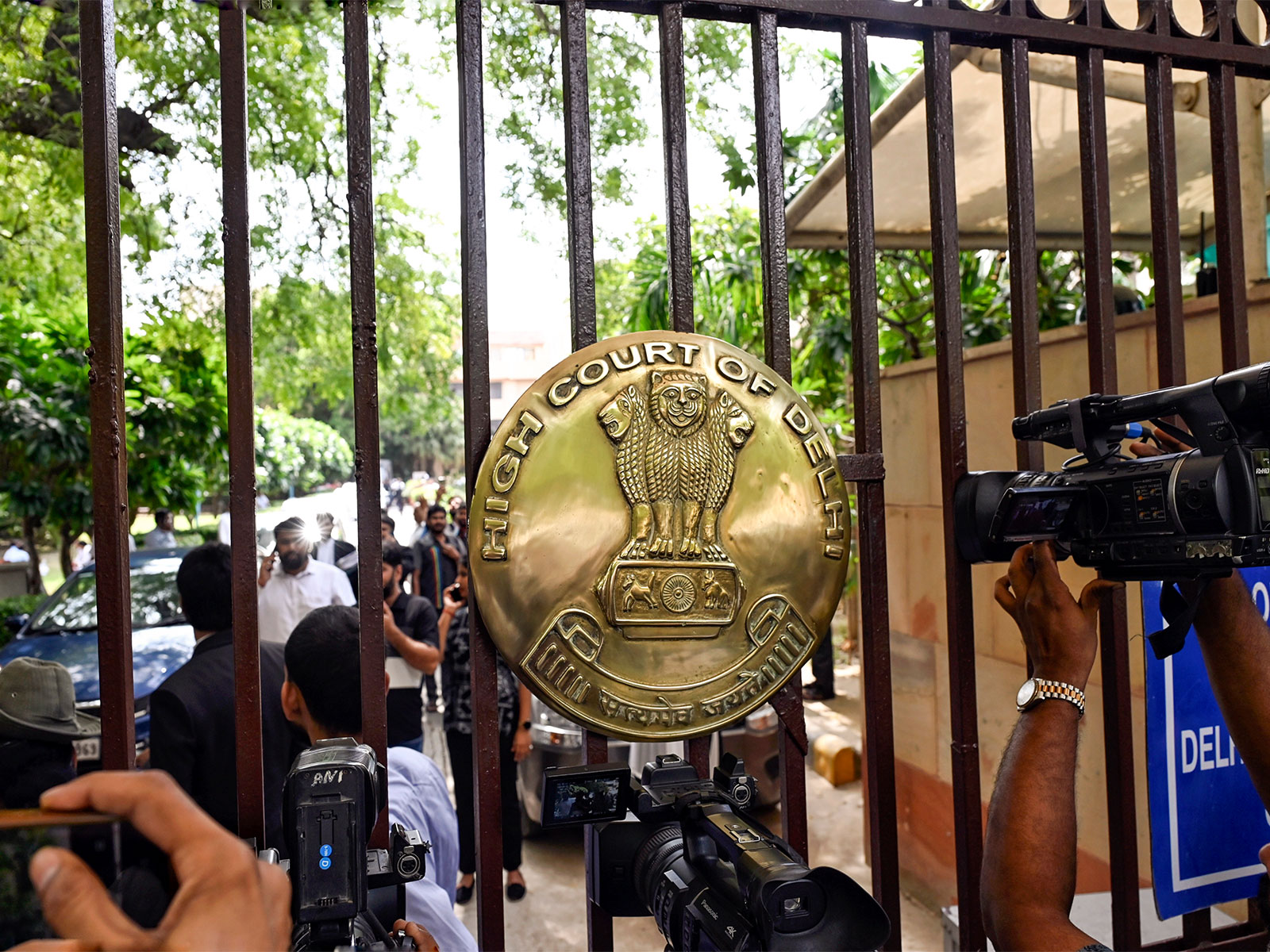
New Delhi [India], October 28 : The Delhi High Court has dismissed appeals filed by five men convicted in connection with the killing of 22-year-old Monish during the 2020 North-East Delhi riots, upholding their conviction for rioting and culpable homicide not amounting to murder.
Justice Madhu Jain, in a judgment pronounced on October 27, upheld the conviction of Aman Kashyap, Devinder Kumar, Pradeep Rai, Ashish alias Goli and Arun Kumar under Sections 148 and 304 Part I read with Section 149 of the Indian Penal Code (IPC).
The five men had challenged a trial court judgment dated November 30, 2024, and the subsequent sentencing order dated January 13, 2025, passed by the Additional Sessions Judge-03, North-East District, Karkardooma Courts.
The trial court had sentenced them to one year of simple imprisonment under Section 148 IPC and seven years of rigorous imprisonment, along with a fine of ₹30,000, under Section 304 Part I IPC. The substantive sentences were directed to run concurrently.
The case arose from an incident on February 25, 2020, during the communal violence in North-East Delhi. According to the prosecution, Monish was chased and assaulted by a mob near Brijpuri, in the vicinity of Peer Baba Mazar in Chand Bagh. He was subsequently taken to Guru Teg Bahadur Hospital, where he died from his injuries.
The post-mortem report attributed his death to shock resulting from brain injuries caused by blunt-force impact.
The prosecution relied on the testimonies of eyewitnesses, including police personnel who said they had seen the victim being chased and assaulted. One police witness, Constable Piyush, identified the five appellants as being at the forefront of the mob and alleged that they were exhorting others to assault the victim.
The appellants, however, questioned the reliability of the identification evidence, pointing to inconsistencies in the accounts of witnesses and the absence of a test identification parade. They also highlighted the delay in recording statements of police witnesses, the lack of contemporaneous written reports identifying the alleged assailants and discrepancies concerning the location of the incident.
The defence further argued that the prosecution had failed to establish the individual role of each appellant in inflicting the fatal injuries and that the evidence did not prove the ingredients necessary for their conviction.
While considering the challenges, the High Court examined the eyewitness accounts alongside the medical evidence and the circumstances in which the victim was assaulted.
The court noted that the delay in recording the police witnesses’ statements had to be assessed in the circumstances of the case, including the fact that several cases arising from the riots were being investigated simultaneously. It held that the delay, by itself, did not discredit the occurrence described by the witnesses or establish that the appellants had been falsely implicated.
The court also addressed discrepancies concerning the place of occurrence and the evidentiary value of hospital CCTV footage and call-detail records. It observed that the hospital footage had been relied upon to identify the injured person and was not intended to establish the appellants’ participation in the assault.
The court further noted that call-detail records could indicate the approximate location of a mobile device but did not necessarily establish the precise physical location of its user at a particular time. The absence of electronic evidence placing an appellant at the exact spot, it said, was not sufficient to contradict otherwise reliable eyewitness testimony.
The judgment acknowledged investigative deficiencies but held that such lapses did not automatically warrant rejection of the prosecution case where the evidence otherwise established the offence.