Digital defence in the age of Mythos, why Indian banks are on high alert
Apr 26, 2026
By Shailesh Yadav
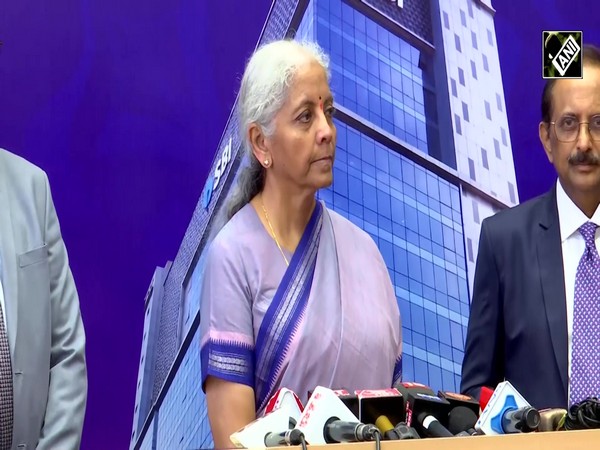
New Delhi [India], April 26 : As the global financial sector grapples with the implications of Anthropic's AI model 'Mythos', which they claim to be the most powerful yet, the conversation has shifted from theoretical innovation to urgent national security. With a recently high level meeting chaired by Union Finance Minister Nirmala Sitharaman, along with Union Minister of Electronics and Information Technology (MeitY) Minister Ashwini Vaishnaw convening with banking leaders to address potential threats, the stakes for the digital economy have never been higher.
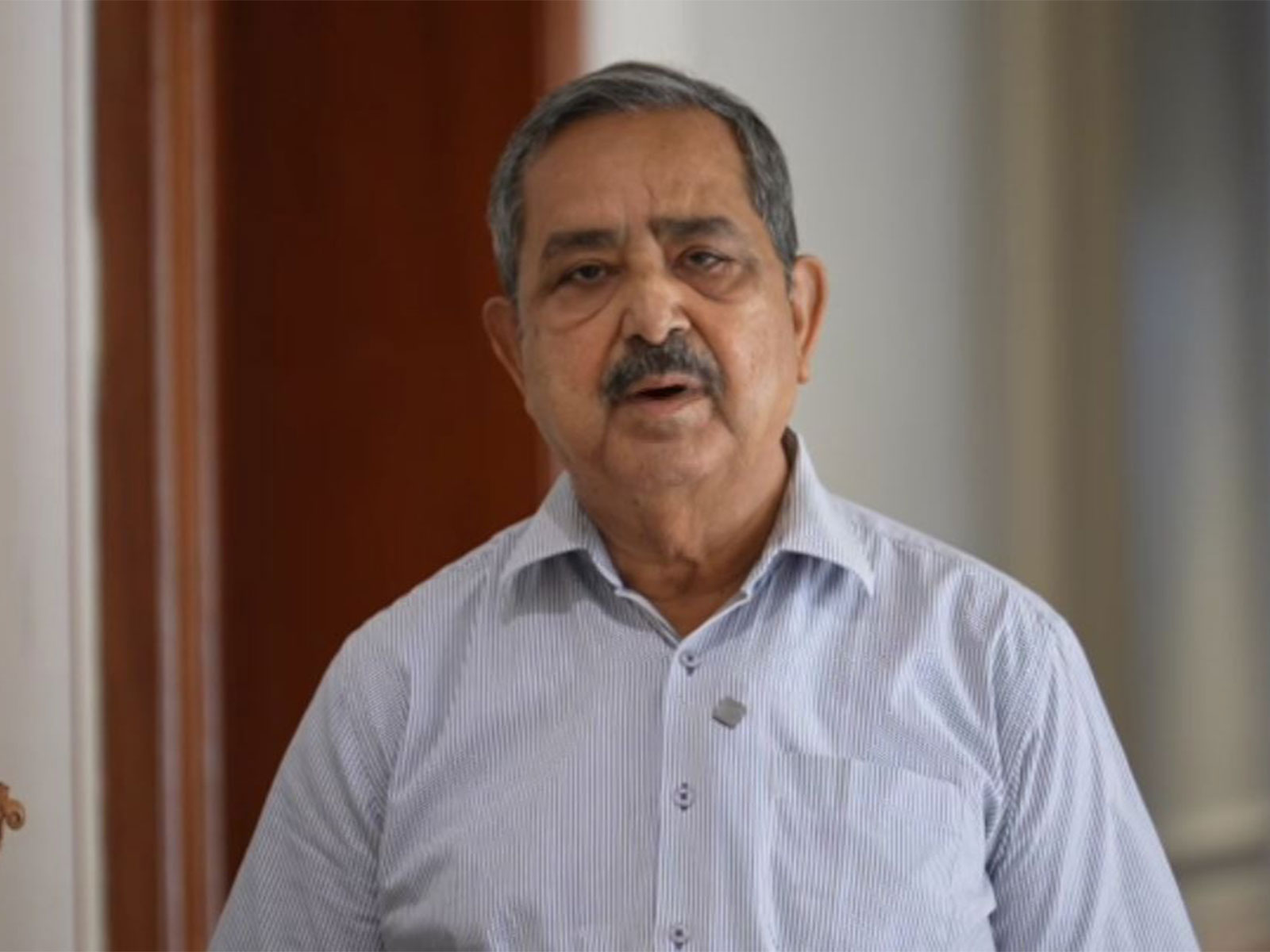
In an exclusive interview with ANI, Atul Arya, Founder and CEO of Blackstraw, demystified the technology behind Mythos, its risks to the banking sector, and how India can leverage its unique position to become a global AI execution hub.
At the heart of the current cybersecurity anxiety is Mythos's unique ability to bridge the gap between output and reasoning. "Anthropic Mythos goes the extra mile to provide information on why it produced a specific answer," explains Arya.
Unlike traditional models that simply provide results, Mythos is designed with a core focus on explainability and reasoning. By granting exclusive, controlled access to approximately 15-20 major global technology and security providers (such as Microsoft, AWS, and CrowdStrike), they are using Anthropic's AI model as a diagnostic tool to identify critical software vulnerabilities. However, the same reasoning capabilities that make it a powerful defensive asset also make it a potent weapon.
"Banks are the most vulnerable ecosystem," Arya asserts, emphasising that the financial sector remains the primary target for malicious actors. "When a model is this powerful, it is not just available to bankers to protect their systems--it is also available to hackers who intend to abuse it."
Arya suggests that the recent government mandate for banks to adopt pre-emptive security measures is a necessary response to a rapidly shifting threat landscape. The challenge for institutions is twofold. Harnessing the model's defensive potential while erecting robust firewalls against those who would exploit its capabilities.
Despite the global concerns, Arya remains bullish on India's role in the global AI architecture. He identifies two critical areas where India can cement its position as a strategic hub.
"We have by far the most trained workforce, and the volume of talent needed to deploy these models into business use cases is immense," Arya notes. India's ability to turn AI capabilities into tangible Return on Investment (ROI) makes it an indispensable player in the global application ecosystem.
Beyond code, the physical infrastructure of AI is labour-intensive. Arya highlights that the demand for skilled labour--from electricians to systems engineers--in data centre construction and management is an area where India's scale provides a decisive cost and efficiency advantage over developed economies.
Discussing the maturity of enterprise AI, Arya pointed to a stark reality. Currently, only 3% of pilot projects successfully move into production. He attributes this to an institutional fear of integrating AI into "core" business processes.
"Enterprises are choosing smaller, non-risky use cases. But the ROI is low because they aren't working on their main processes," Arya explains. He predicts a shift over the next three to five years toward "Agentic AI" systems capable of taking actions on behalf of a user without needing constant supervision.
As enterprises move from simply viewing AI dashboards to trusting agents with core operations, the transition will require a new level of governance. For Arya, the future of AI is not just about smarter recommendations; it is about autonomous execution grounded in human-understandable reasoning.