Digital safety in hills: Parliament pushes for tech-driven tourism infrastructure
Aug 06, 2026
New Delhi [India], August 6 : India's border regions have long drawn travellers with their rugged trails, crisp mountain air and dramatic landscapes. Yet lawmakers in the Rajya Sabha warned this week that the surge in tourism is colliding with serious challenges.
Members highlighted how unpredictable weather, remote locations and complex security requirements in high-altitude areas often leave tourists stranded and administrations stretched.
The debate centred on balancing the push to promote border tourism with the need for better preparedness, safety infrastructure, and coordination in these vulnerable zones.
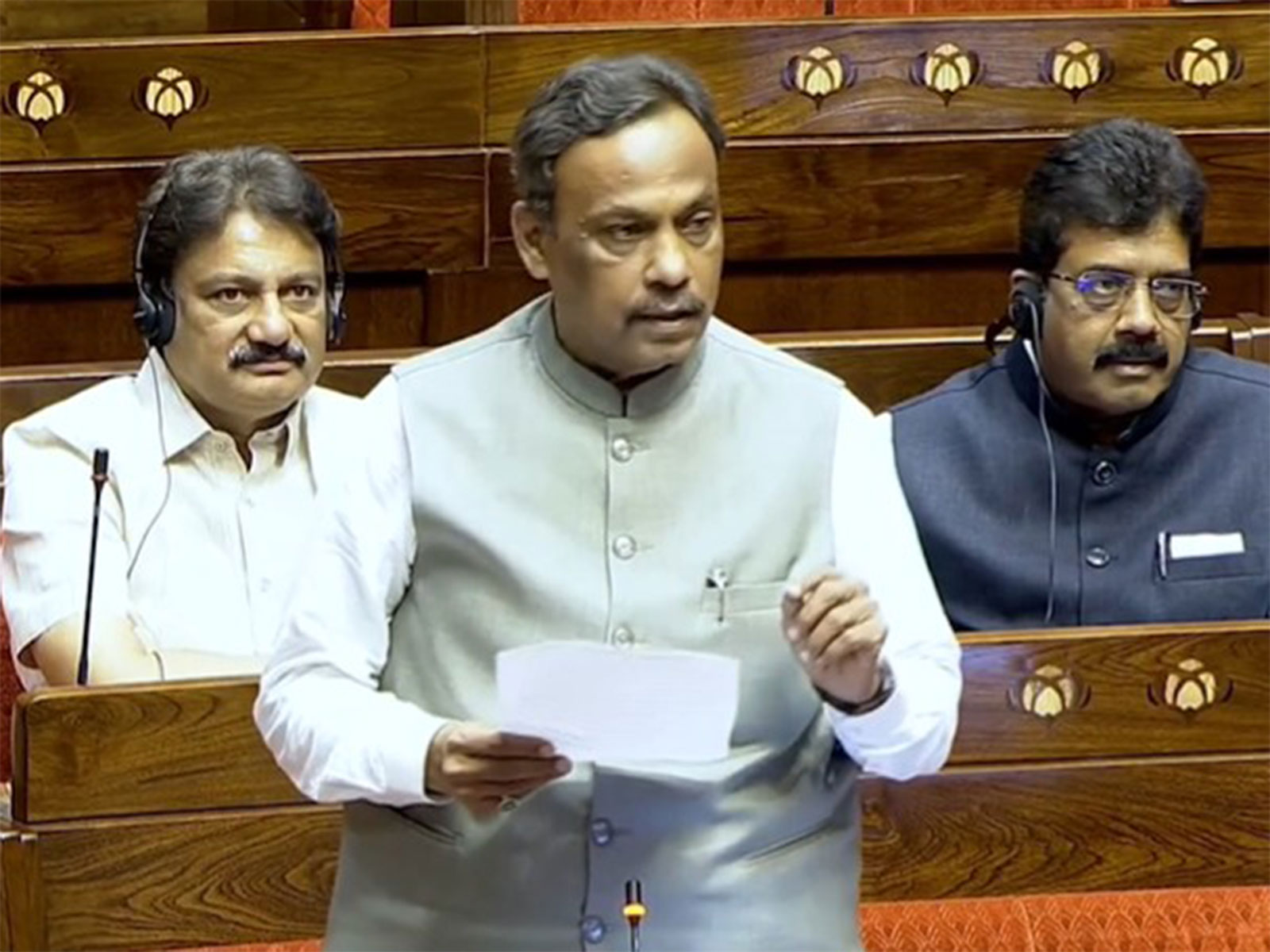
BJP Rajya Sabha MP Vinod Tawde stepped up to the podium with a vision to bridge the gap between connectivity and safety. Addressing Union Minister of Tourism Gajendra Singh Shekhawat, Tawde raised a crucial supplementary question focusing on Digital Tourism Infrastructure in Mountain and Border Destinations.
He pressed the administration on a vital question: Would the upcoming National Destination Digital Knowledge Grid seamlessly weave safety into its digital fabric?
"I would like to ask the Honourable Minister about the National Destination Digital Knowledge Grid that is being developed. What kind of safety measures could be included in it? If someone goes to Ladakh or Uttarakhand, will that also be covered? And if it's available in the languages of different regions, it could benefit the tourists. Is the ministry considering such a plan?" asked Tawde.
Tawde's proposal wasn't just about fast internet or booking apps; it painted a picture of a smarter, safer ecosystem. He advocated for multilingual digital wayfinding to guide lost travellers, real-time travel updates to outsmart erratic mountain weather, and integrated emergency support systems designed explicitly for the unique vulnerabilities of border and hill regions.
The intervention struck a chord, highlighting a modern paradox: while millions flock to these majestic landscapes each year, the digital infrastructure protecting them has often lagged behind the terrain's unpredictability.
Listening intently, Union Minister of Tourism Gajendra Singh Shekhawat welcomed the forward-thinking proposition. Acknowledging the gravity of the security and geographical challenges highlighted by Tawde, the Minister expressed appreciation for the blueprint and assured the House that the suggestion would be actively taken forward.
The Union Budget 2026-27 announced the creation of a National Destination Digital Knowledge Grid to enhance planning, research, promotion, and visitor engagement.
This digital platform will document cultural, spiritual, and heritage sites across India, providing resources for researchers, content creators, historians, and tourism. The Grid will support data-driven decision-making, improve destination visibility, and aid heritage management, according to a release from the Ministry of Culture & Tourism.
The Budget also proposed the development of 15 archaeological sites into vibrant experiential cultural destinations, including Lothal, Dholavira, Rakhigarhi, Sarnath, Hastinapur, and Leh Palace. This will involve the creation of curated walkways, interpretation centres, visitor amenities, and heritage conservation infrastructure to provide immersive experiences for tourists.
These initiatives build upon ongoing schemes such as Swadesh Darshan 2.0 and SASCI, which provide financial assistance for tourism infrastructure and heritage development. Complementing the PRASHAD scheme, these measures aim to preserve India's cultural assets while promoting sustainable tourism and local community participation.
As tourism continues to surge into India's most remote corners, the parliamentary exchange signalled a promising shift: a future where technology acts as a reliable digital shield for every traveller scaling the heights.