Diwali bonanza: Delhi government announces new slum rehabilitation policy, 5 lakh families to get permanent homes
Nov 05, 2026
New Delhi [India], November 5 : In a major Diwali gift to slum-dwelling families in the national capital, the Rekha Gupta-led Delhi government has notified the Delhi Slum and Jhuggi Jhopri Relocation and Rehabilitation Policy, 2026, paving the way for nearly 4 to 5 lakh families to get permanent houses.
Under the new policy, nearly 20 lakh people living in slum settlements across Delhi are expected to benefit, fulfilling their long-standing aspiration of owning a permanent, pucca house, according to an official release.
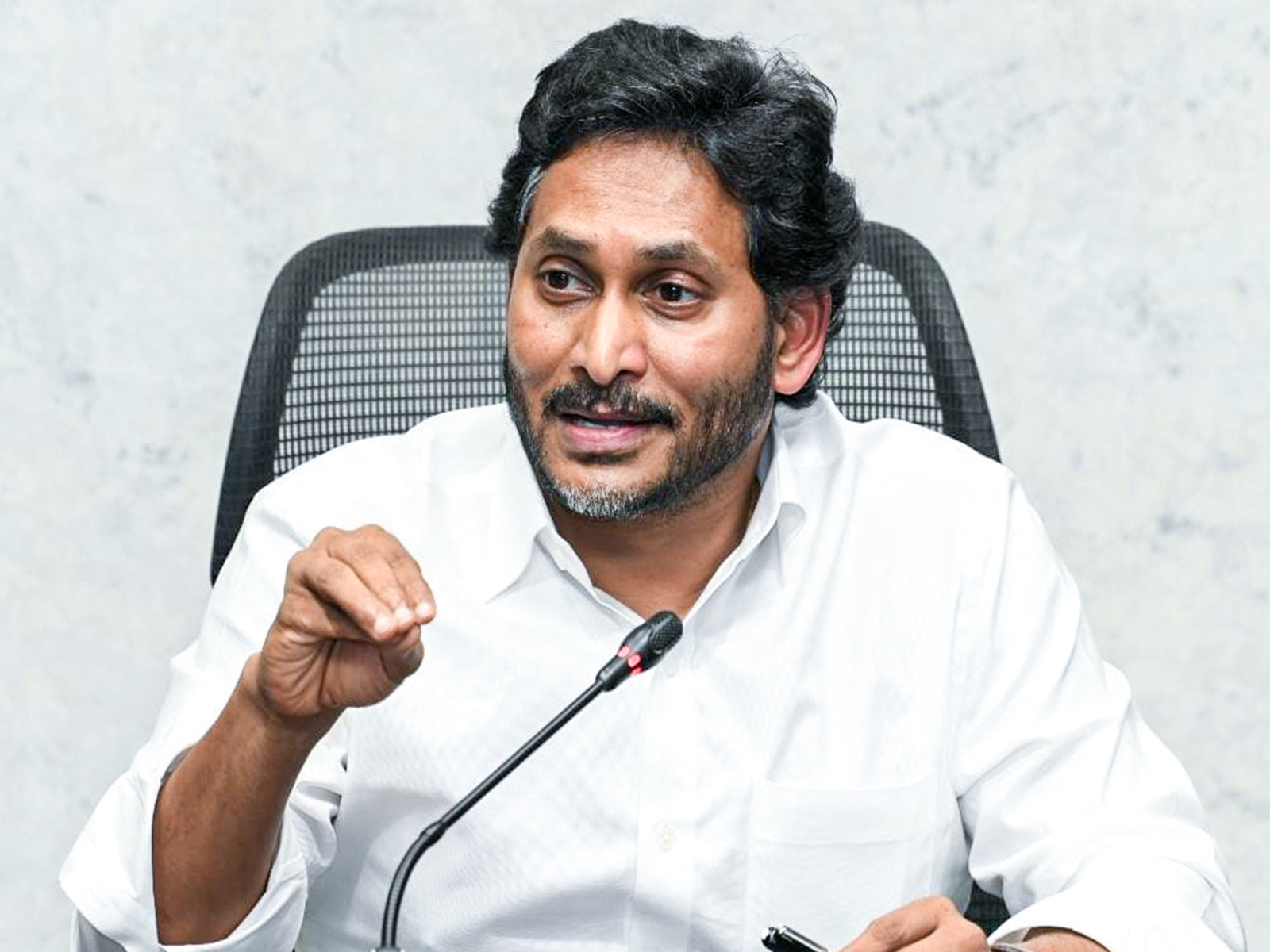
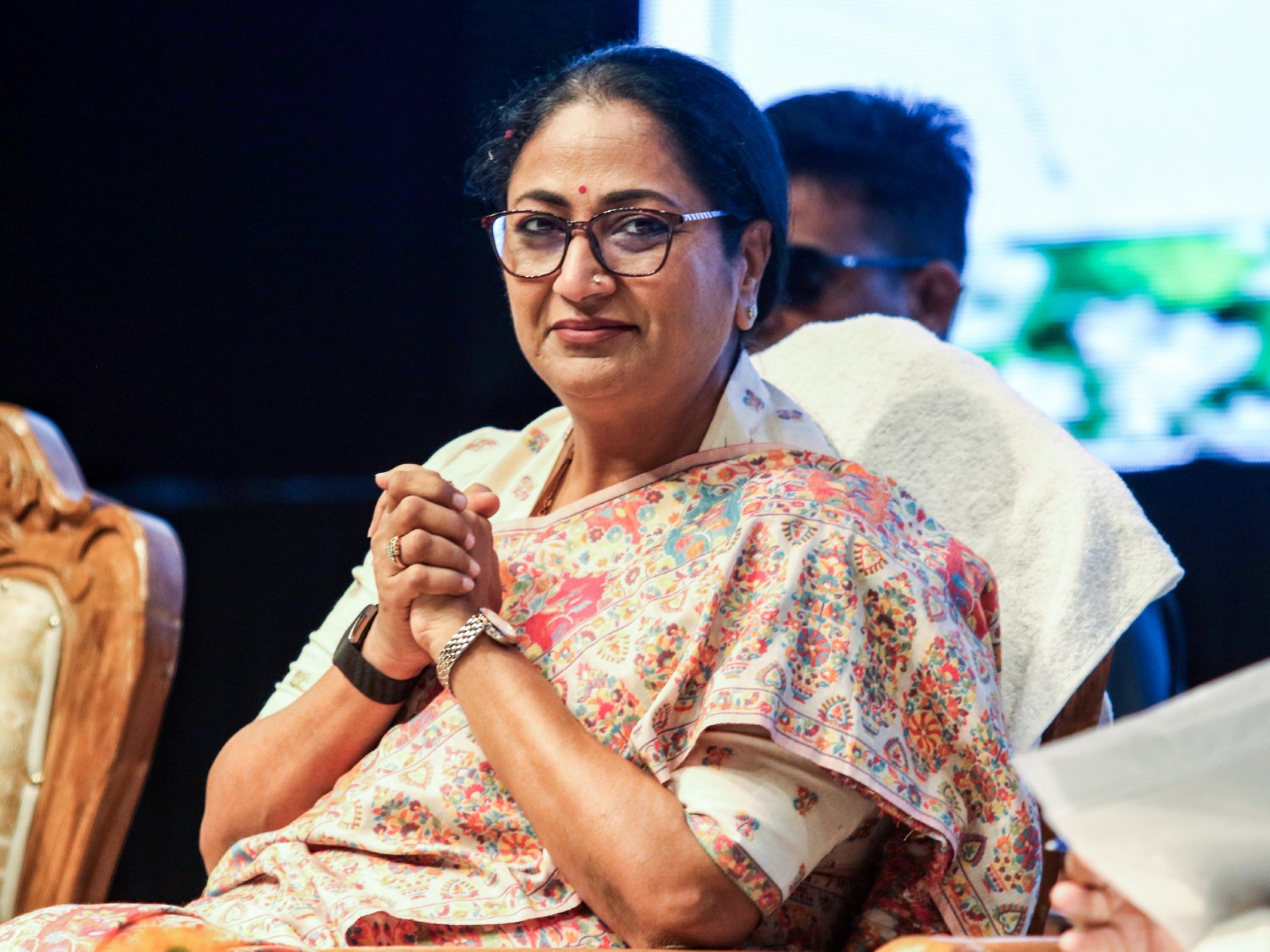
Delhi Chief Minister Rekha Gupta said the objective of the policy was not merely to remove slum settlements but to ensure that every eligible family gets a permanent home where they can live safely and with dignity.
"Our objective is not just to remove slums, but to give every eligible family a permanent home where they can live safely and with dignity with their children," she said.
One of the key features of the new policy is the inclusion of all slum settlements established before January 1, 2025. Thousands of families who were left out of earlier rehabilitation schemes are now expected to benefit from the initiative.
The government has made it clear that no eligible family's jhuggi will be removed without providing alternative accommodation.
The government's endeavour will be to provide homes at the same site or within a 3-km radius, so that people's jobs, children's schools and daily life are not affected.
Every eligible family will get a 1-BHK - one bedroom, hall and kitchen flat. The new colonies will not have just houses, but also schools, Anganwadi centres, healthcare facilities and playgrounds for children.
The policy also takes a big humane decision. If separate families are living independently on different floors of the same jhuggi structure and they fulfil the eligibility criteria, they will be considered for separate flats.
Families with persons with disabilities will be given priority for ground-floor allotment. In case of married couples, the unit will be allotted jointly, to avoid any future dispute.
For five years after shifting, maintenance of common infrastructure, services and security will be the responsibility of the government/developer. After that, beneficiary associations will take over.
Houses will be allotted through a computerised draw of lots. A grievance redressal and appeal mechanism will be put in place. A centralised GIS-based digital platform will monitor the entire process to prevent duplicate and fake allotments.
If in-situ redevelopment happens under the PPP model, the developer will have to arrange temporary housing or provide rent assistance to affected families during the construction period.
Chief Minister Rekha Gupta said, "The poor and hardworking families living in Delhi have made the biggest contribution in building this city. Those who built this city with their sweat and labour have an equal right to a dignified life and secure housing."
She said the policy is inspired by Prime Minister Narendra Modi's vision of 'Antyodaya' and 'Garib Kalyan'.
"Our resolve is - Sabka Saath, Sabka Vikas, Sabka Vishwas and Sabka Prayas. No eligible poor family in Delhi will remain homeless," the CM said.