"Don't have to disband DGCA, make it completely independent": Aviation expert after Indian Pilots Federation pushes for autonomous Civil Aviation Authority
Aug 08, 2026
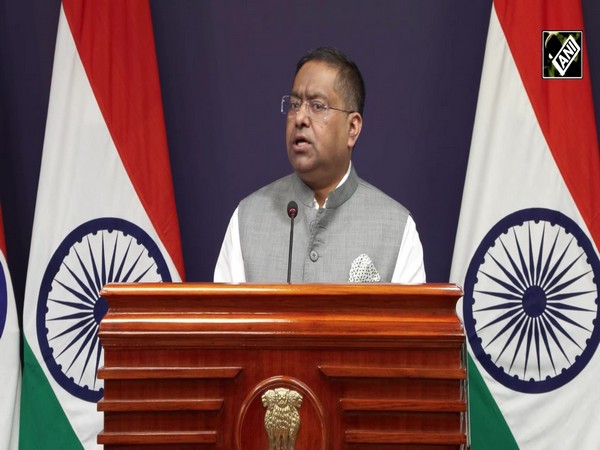
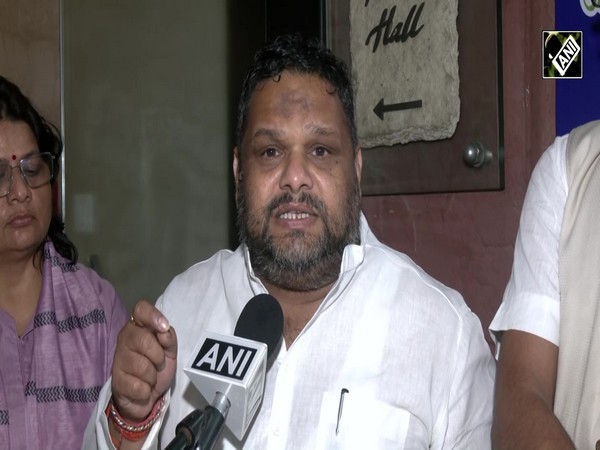
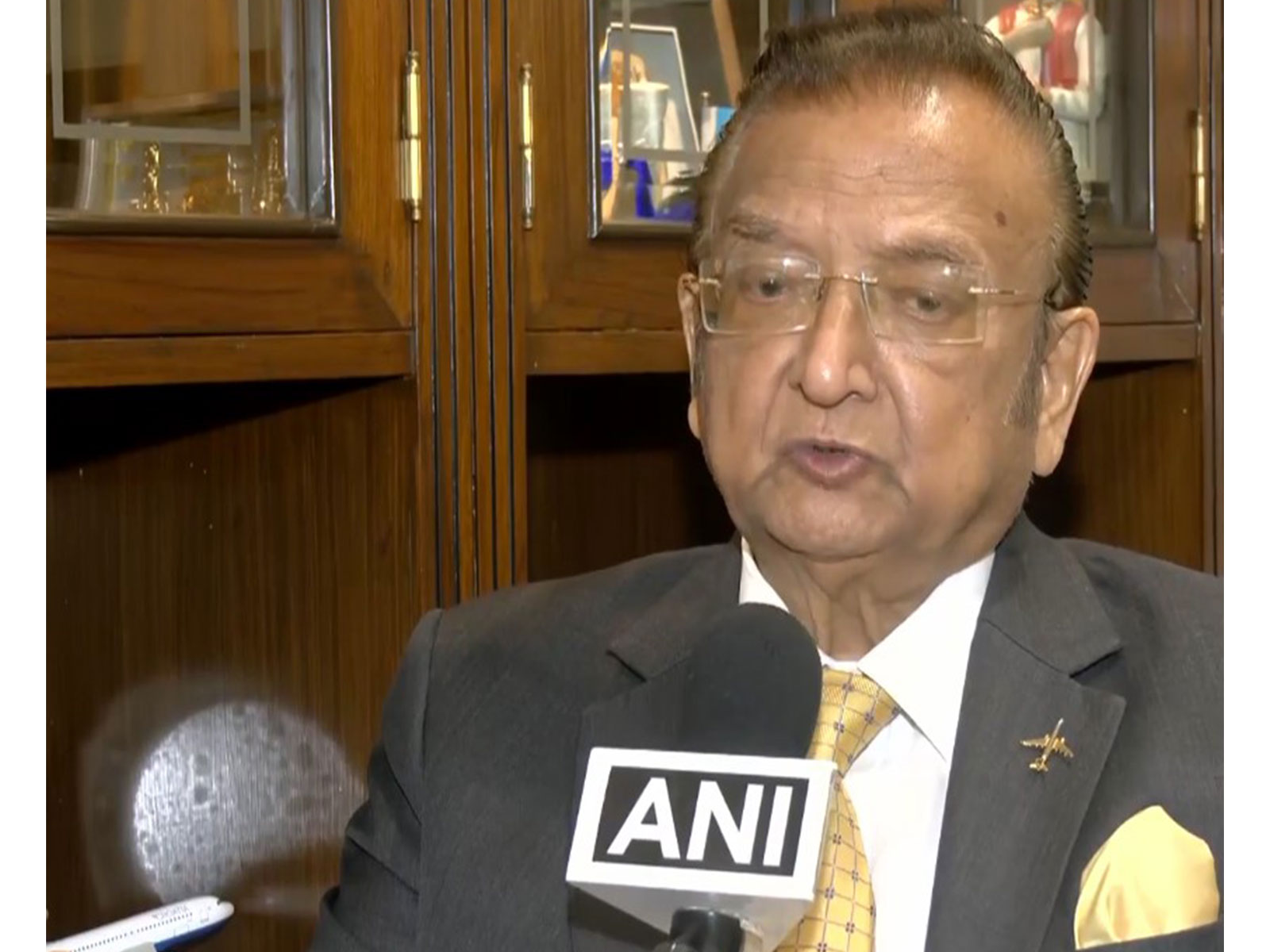
New Delhi [India], August 9 : After the Federation of Indian Pilots (FIP) urged Prime Minister Narendra Modi to establish an autonomous Civil Aviation Authority (CAA), Aviation Expert Subhash Goyal on Saturday said there was no need to disband the Directorate General of Civil Aviation (DGCA). Instead, he called for making the existing apex regulatory body "completely independent".
Speaking to ANI, he said the FIP has cited Nepal, Sri Lanka, Maldives and other countries where civil aviation regulators function independently of their respective ministries.
"The Federation of Indian Pilots has written to the Prime Minister saying that there should be a Civil Aviation Authority. They have given the example of Nepal, Sri Lanka, Maldives, and all the other countries where they have a Civil Aviation Authority that is completely independent and is not a part of the Ministry of Civil Aviation," Goyal said while asserting that the government should strengthen the existing DGCA instead of creating a new regulatory body.
"We don't have to disband the DGCA and create a separate authority. What we should do is make the DGCA completely independent," he said.
He said the DGCA already performs key regulatory functions, including issuing operating permits, regulating pilot licences and maintaining aviation safety and other regulatory standards.
"As far as giving operating permits or regulating the licenses of pilots and all other regulatory air safety and other standards are concerned, they are maintained by the DGCA. I don't agree that you should disband the DGCA and have another Civil Aviation Authority because let us not reinvent the wheel," Goyal said.
"Director General of Civil Aviation is a totally independent regulatory authority," he added.
While acknowledging the demand for greater independence, Goyal added that this could be achieved by restructuring and granting full autonomy to the existing DGCA rather than creating another authority.
The comments came amid unprecedented growth in India's aviation sector as the FIP submitted a detailed proposal to Prime Minister Modi on August 6, seeking structural reforms in India's civil aviation regulatory framework and the establishment of an autonomous, statutory CAA.
In its proposal, FIP highlighted India's rapid growth as an aviation market and said the existing regulatory framework needs to evolve in line with the expansion of the sector. India is now the world's third-largest domestic aviation market, with its commercial fleet crossing 850 aircraft and passenger numbers surpassing 239 million.
The aviation sector has also expanded into emerging areas such as drones and advanced air mobility, increasing the scope and complexity of regulatory oversight.
The FIP has argued that the DGCA's current status as an attached office of the Ministry of Civil Aviation limits its institutional autonomy and has renewed its call for an independent statutory aviation regulator.
The FIP's blueprint resurrects core elements from previous reform efforts, including the lapsed 2013 Civil Aviation Authority Bill.
Key structural recommendations include: Creation of a dedicated Civil Aviation Authority Fund sustained through user fees, licensing charges, and cost-recovery safety audits, reducing reliance on government grants, empowering the authority to hire industry experts directly with competitive, market-based remuneration rather than being bound by routine civil service rules, professional board featuring a Chairperson, a Director General, and domain experts spanning flight safety, airworthiness, air navigation, consumer affairs, and environmental compliance, appointed for fixed terms and dedicated mechanisms for handling passenger complaints, environmental compliance, and noise regulation.
The proposal further added that an autonomous CAA would heavily bolster compliance with International Civil Aviation Organisation (ICAO) Universal Safety Oversight Audit Programme (USOAP) standards.
Copies of the comprehensive proposal were also forwarded to Union Civil Aviation Minister Ram Mohan Naidu, Civil Aviation Secretary SK Sinha, Cabinet Secretary Dr TV Somanathan, and the Principal Secretary to the Prime Minister.