"Ecological disaster": Jairam Ramesh urges Defence Minister to consider suggested alternatives in Great Nicobar Island Project
May 17, 2026
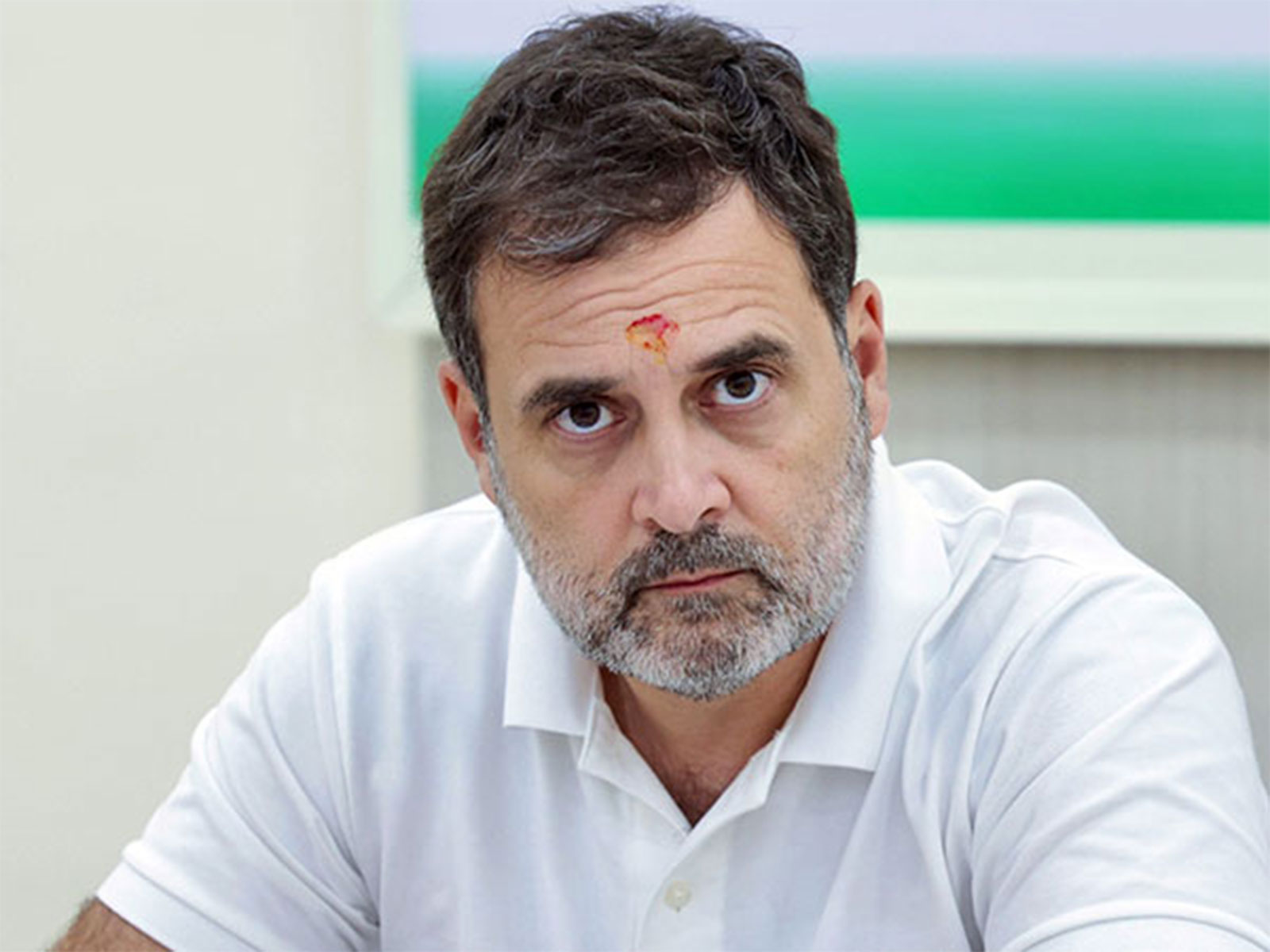
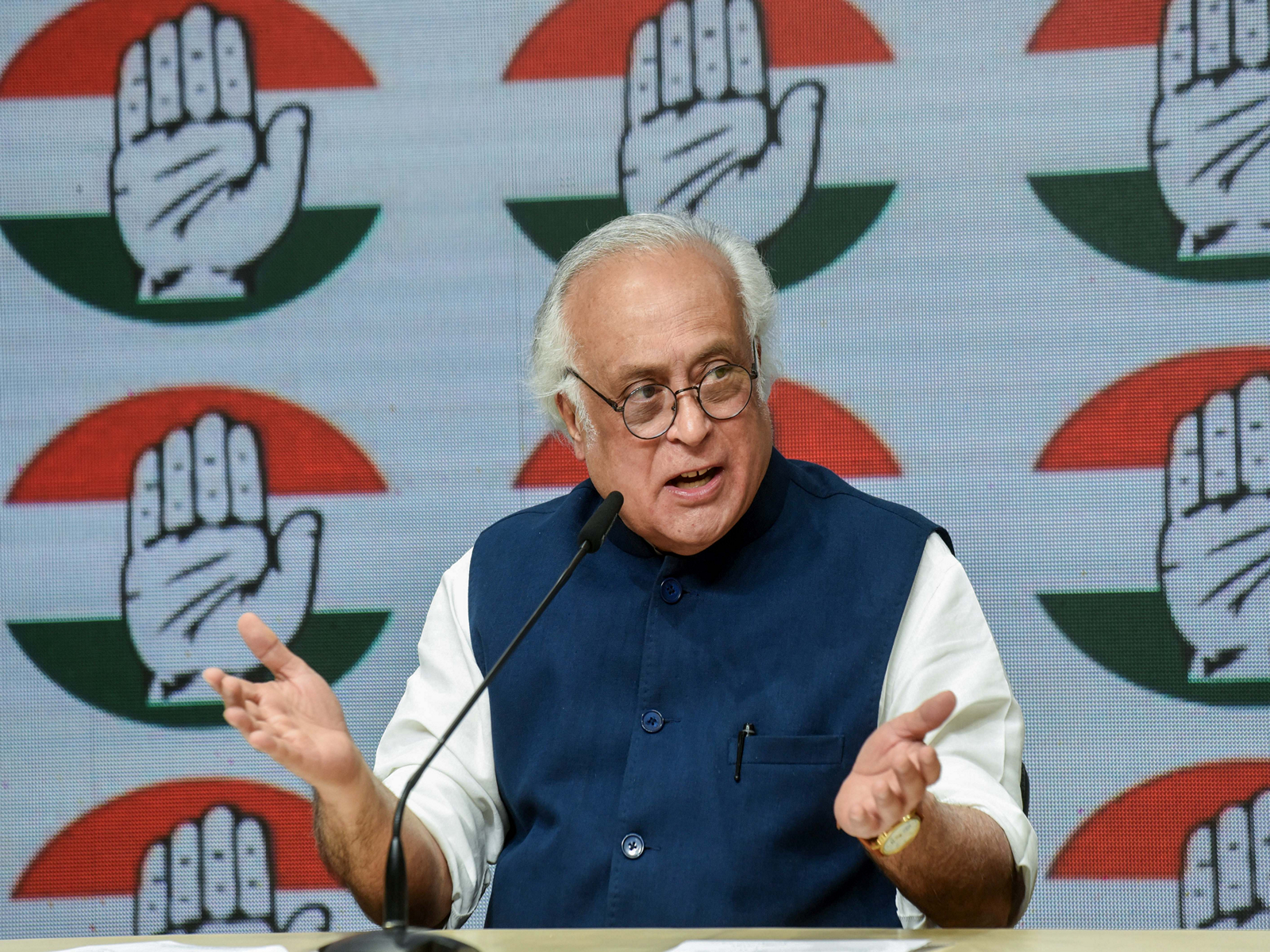
New Delhi [India], May 17 : Senior Congress leader and Rajya Sabha MP Jairam Ramesh on Sunday wrote to Defence Minister Rajnath Singh, raising sharp objections to the government's Great Nicobar Island Project.
In the letter, Ramesh strongly criticised the union government for using "overriding security considerations" to justify what he terms an "essentially commercial venture" that faces intense public backlash over severe environmental threats. He said that he had previously written to the Union Minister of Environment, Forests, and Climate Change and the Union Minister of Tribal Affairs.
"On May 10, 2026, I had written to the Union Minister of Environment, Forests and Climate Change on how these FAQs present a completely false picture on the project's environmental clearances which, in reality, have been given on very dubious grounds. On May 13, 2026, I wrote to the Union Minister of Tribal Affairs on how the FAQs misrepresent totally the position regarding the fulfillment of the provisions of the Forest Rights Act, 2006 as part of the project's clearance process which flagrantly violate, in letter and spirit, the individual and collective rights given to tribal communities by Parliament," he wrote in the letter.
He alleged that the project is essentially a commercial venture, flagging concerns over its ecological repercussions.
While maintaining that there is no disagreement on the absolute necessity of strengthening India's national defences and strategic capabilities, Ramesh argued that the proposed mega-project, which features a massive transhipment port and a new township, does not enhance the nation's military readiness.
Instead, he presented a series of alternative, low-impact defence upgrades that he said have been recommended by distinguished naval officers.
Ramesh highlighted that strategic assets like INS Baaz in Campbell Bay have had pending expansion approvals for nearly five years to treble its runway length and construct a naval jetty. He pointed out that clearing these existing projects would fulfil defence objectives with significantly fewer environmental hazards.
Furthermore, Ramesh suggested that older infrastructure under the Andaman and Nicobar Command, such as INS Kardip, INS Kohassa, INS Utkrosh, INS Jarawa, and the Car Nicobar Air Force Station, could be expanded far more sustainably.
Labelling the infrastructure plan in its current form a "recipe for ecological disaster," Ramesh urged the Defence Minister to review alternative strategic pathways that balance national security with environmental preservation.
"I wish to reiterate that the Great Nicobar Island Project in its present shape and form is a recipe for ecological disaster. I would urge you, as the nation's Raksha Mantri, to seriously consider the above alternatives that have, in fact, been proposed by distinguished naval officers themselves in their writings," he wrote in the letter.
Ramesh attached the letter in a post on X, captioned, "After writing to the Union Minister of Environment, Forests, & Climate Change and the Union Minister of Tribal Affairs, I have written to the Raksha Mantri on the Great Nicobar Island Project."
https://x.com/Jairam_Ramesh/status/2055870745692254225
The Great Nicobar Project seeks to transform Great Nicobar into a strategic maritime and economic hub by leveraging its proximity (about 40 nautical miles) to the East-West shipping route and reducing dependence on foreign transhipment ports keeping in view the defense and National Security purpose.
It includes major infrastructure components: a 14.2 million twenty foot equivalent unit( MTEU) International Container Transshipment Terminal, a Greenfield International Airport (4000 Peak Hour Passengers-PHP), a 450 MVA gas-solar power plant, and a planned township.
The Great Nicobar Project is fully aligned with the Shompen Policy of 2015 and the Jarawa Policy of 2004, which mandate that large-scale development proposals prioritize the welfare and integrity of Particularly Vulnerable Tribal Groups (PVTGs) and follow a structured consultation process, government said in an official statement earlier this week.