Electricity grid may become constraint for India's AI ambitions: American Chamber of Commerce report
May 25, 2026
New Delhi [India], May 25 : Electricity infrastructure could become the single biggest challenge for India's artificial intelligence ambitions as the country moves into the next phase of AI and semiconductor expansion, according to a joint paper released by the American Chamber of Commerce in India and Applied Materials, an American corporation that supplies semiconductor equipment.
The paper stated that India has already made significant progress across the semiconductor and AI ecosystem through chip design, manufacturing initiatives under the India Semiconductor Mission, sovereign AI compute under the India AI Mission and research financing through the Research Development and Innovation Fund.
However, it noted that the next stage of India's AI growth will require coordinated planning across semiconductor manufacturing, AI computing infrastructure, research systems and energy networks.
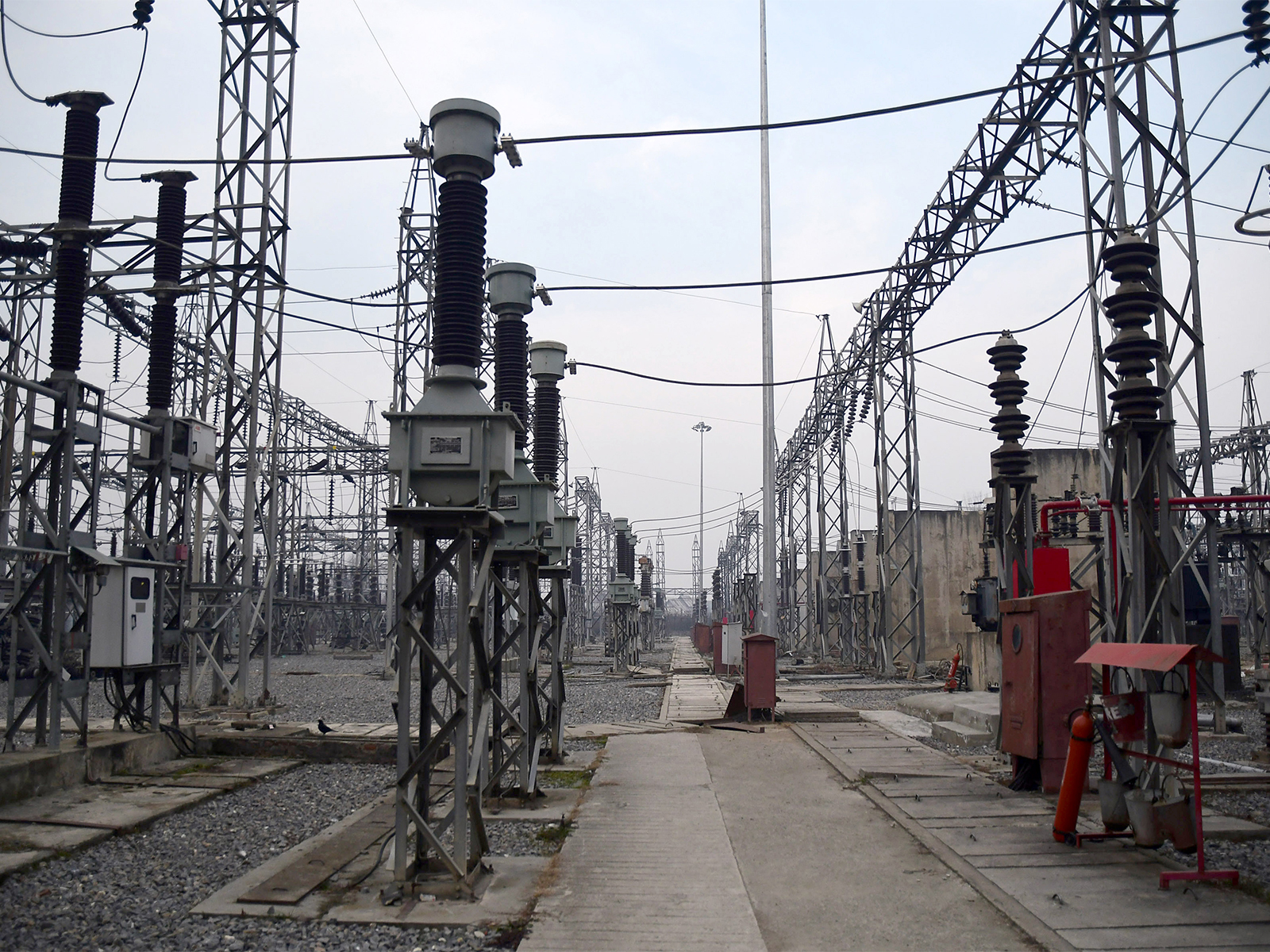
According to the paper, advanced AI computing workloads require a large, continuous and reliable electricity supply, making power infrastructure increasingly important for countries aiming to scale AI deployment.
It stated, "We urge energy policymakers to carefully consider that the electricity grid is the single largest constraint on India's AI ambitions."
The report said non-fossil fuel sources currently account for more than 52 per cent of India's installed electricity capacity. At the same time, India's grid emission factor remains at 748 gCO₂/kWh due to continued dependence on coal for baseload power generation.
The paper stressed that energy efficiency across the computing stack is the most immediate and scalable solution to reduce pressure on the electricity infrastructure.
It added that "every watt saved in a chip is a watt the grid does not have to generate," describing energy efficiency as both an economic and environmental necessity.
The report described artificial intelligence as one of the defining technologies of the coming decade that will influence productivity, economic competitiveness and national security.
It stated that India enters this phase with several structural advantages, including one of the world's largest engineering talent pools, a rapidly expanding digital economy with more than one billion users and policy frameworks supporting investment in AI and semiconductors.
According to the paper, India is among a small group of countries with credible ambitions to emerge as leaders in AI-enabled growth.
At the same time, the report warned that AI infrastructure cannot be built in isolation and must instead function as an integrated national system connecting semiconductor design and manufacturing, compute deployment, innovation funding and electricity infrastructure.
The paper proposed a three-pillar framework for India's next AI phase. The first pillar focuses on building a stronger and more resilient electricity grid capable of supporting large-scale AI workloads.
The second pillar highlights the need for an energy-efficient computing supply chain covering algorithms, system design, semiconductor equipment and materials.
The third pillar calls for developing globally competitive semiconductor markets that can convert infrastructure capabilities into long-term economic growth.
The report added that countries capable of integrating technology, infrastructure and institutions into coordinated systems will likely define the next phase of global economic and technological leadership.