Facing crisis at home, Shehbaz Sharif to address UNGA on Friday; evades question on support for terror
Sep 25, 2026
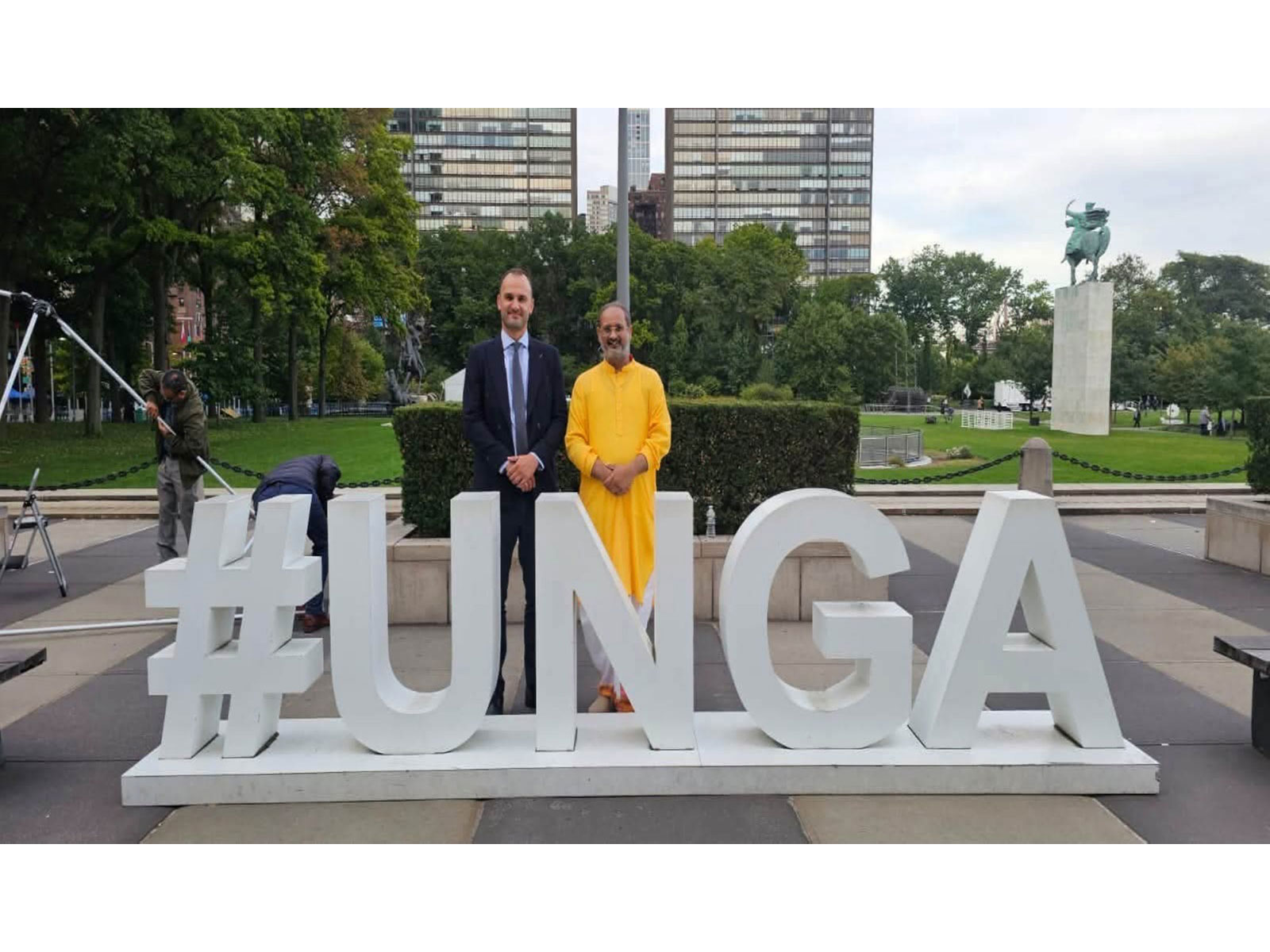
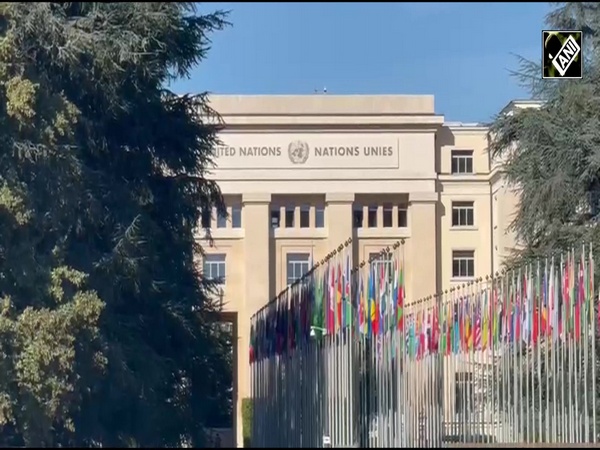
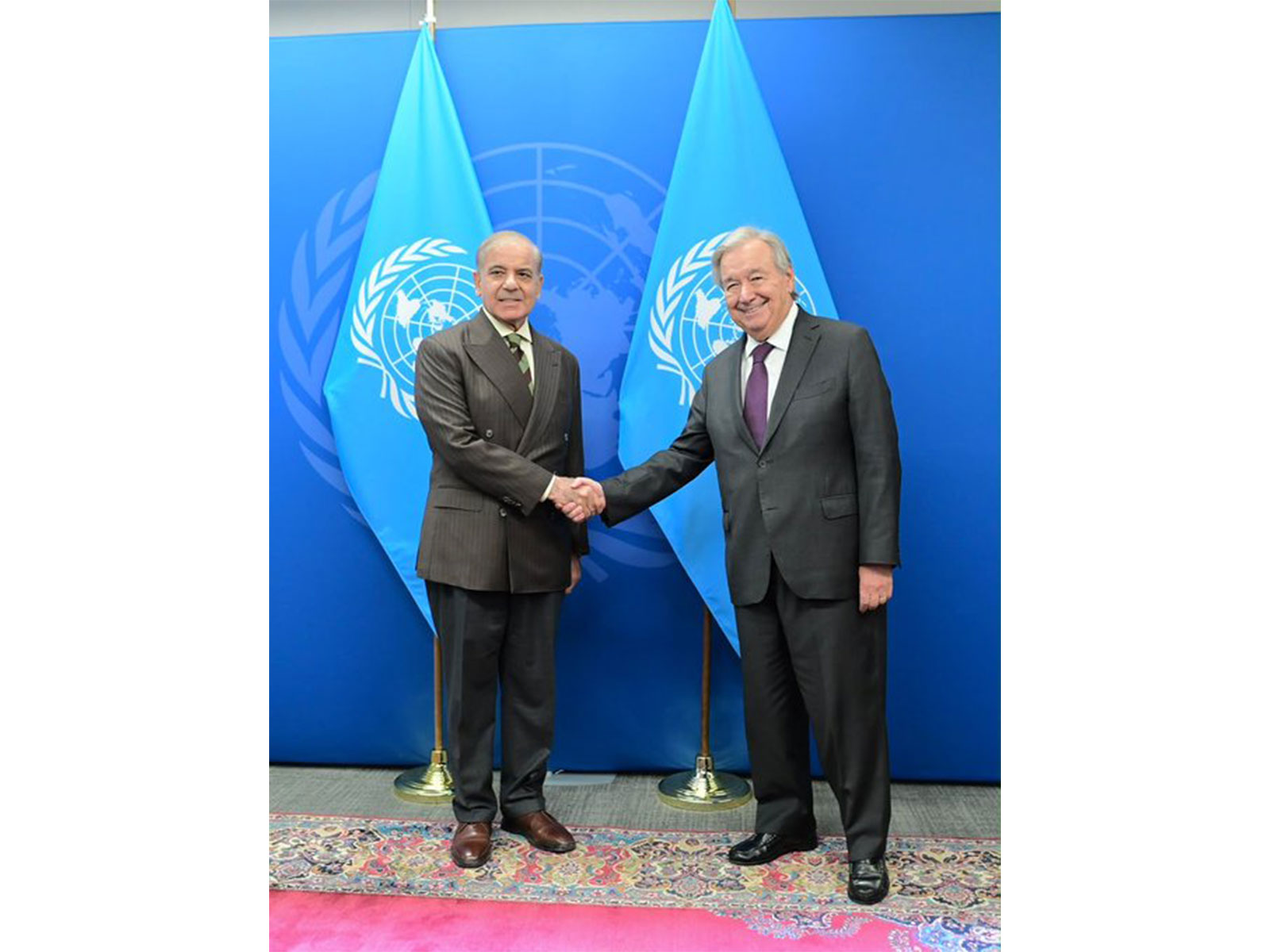
New York [US], September 25 : A year after grandstanding at the 80th United Nations General Assembly (UNGA) about Pakistan’s "sacrifices" as a "bulwark" against global terrorism, Prime Minister Shehbaz Sharif arrived at the UN headquarters for the 81st UNGA session dodging direct questions on Pakistan’s continued harbouring of UN-designated terrorists while his country buckles under political, economic, and security chaos.
Last year, Sharif took the podium to paint Pakistan as a victim-turned-saviour, declaring, "I believe a man killed in New York is a man killed in Lahore... Had these terrorists not been encountered by us, they would have been roaming on the streets of New York and London."
Fast forward to Thursday at the UN headquarters in New York, and that self-righteous posture evaporated into stoic silence.
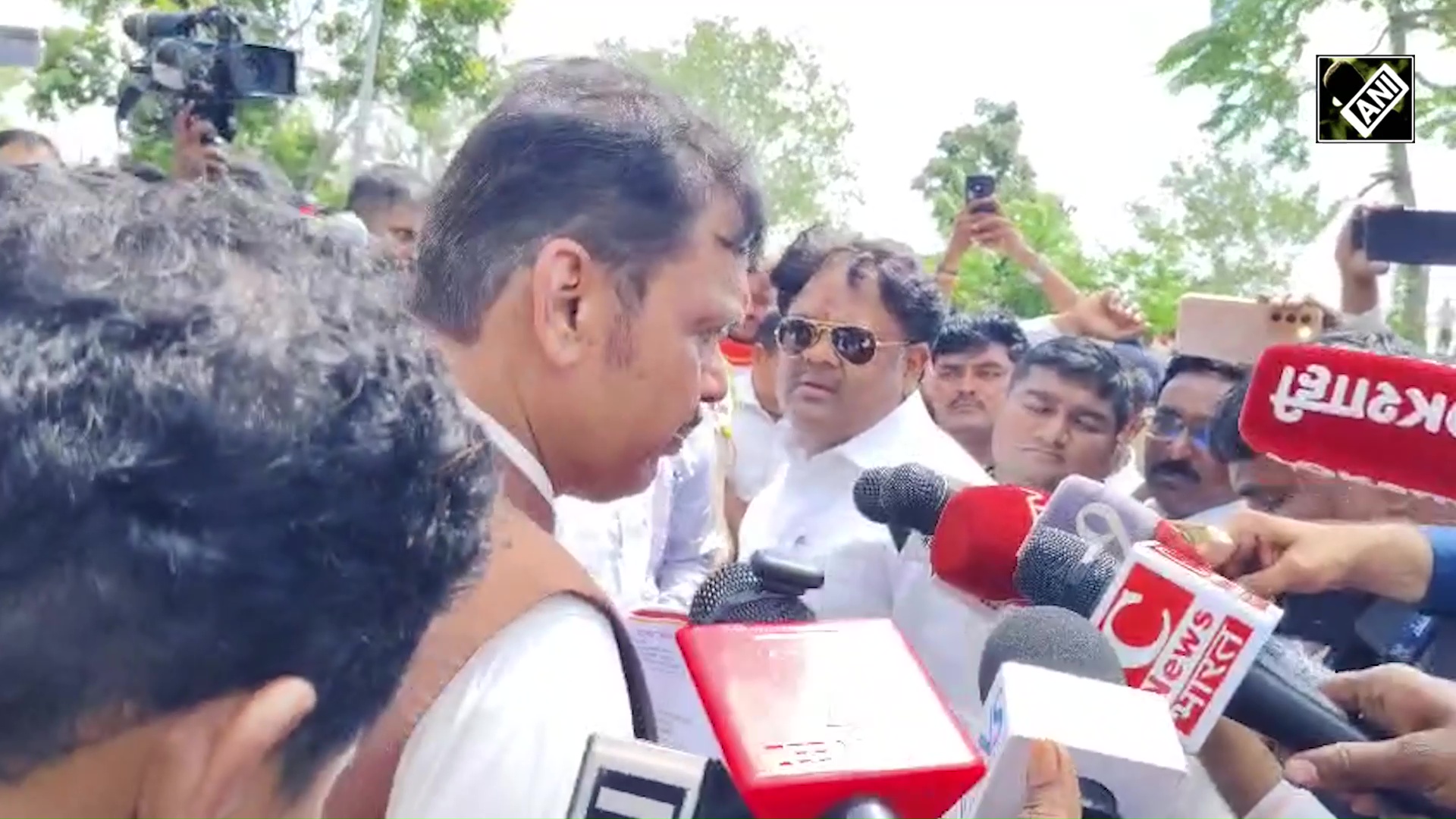
As Sharif entered the UN building, he was confronted by reporters asking, "Prime Minister, when will you stop harbouring terrorists?" Sharif refused to answer.
Upon leaving, he was pressed again: "When will you prosecute Lashkar-e-Taiba (LeT) chief Hafiz Saeed?" Once again, the Pakistani Prime Minister remained tight-lipped, scuttling away without a word.
The dodge comes at a time when Pakistan’s terror footprint remains bare for the international community to see.
Hafiz Muhammad Saeed—a designated terrorist under the Unlawful Activities (Prevention) Act (UAPA), founder of the proscribed LeT, and the mastermind of the 2008 Mumbai terror attacks—was recently named as Accused No. 8 in the National Investigation Agency's (NIA) supplementary chargesheet for orchestrating the brutal April 22, 2025 Pahalgam terror attack in Jammu and Kashmir.
Sharif's silence also coincides with the Financial Action Task Force (FATF) plenary in October, ahead of which Islamabad once again resorted to its familiar playbook of deception to avoid being placed back on the dreaded grey list.
In a desperate bid to project compliance, Pakistan's Federal Investigation Agency (FIA) released its updated 2026 "Red Book" of most-wanted terrorists, raising the bounty on Jaish-e-Mohammed (JeM) chief Masood Azhar from PKR 20 Lakh to PKR 70 Lakh.
While Islamabad has peddled a persistent narrative since 2021 that Azhar fled to Afghanistan, recent technical analysis by Indian intelligence agencies over the past six months confirms that the Pulwama attack mastermind is actively hiding inside Pakistan, safely sheltered in Nawabshah city in Sindh province.
Worse yet, the FIA's updated roster exposes an overt cover-up. While listing 17 terrorists associated with the 2008 26/11 Mumbai attacks, Pakistan has covertly scrubbed the photographs, LeT affiliations, and explicit operational descriptions of key operatives.
Meanwhile, on the political and economic front at home, Sharif tried is expected to lecture the assembly on finding a peaceful solution to the ongoing US-Iran war—but the ground beneath his government is caving in. Pakistan’s domestic reality is defined by acute economic stagnation and authoritarian overreach.
Pakistan's Finance Minister Muhammad Aurangzeb issued a grim warning on Sunday, admitting that upcoming long marches, sit-ins, and strikes announced by Jamaat-e-Islami (JI), Kissan Ittehad, and Imran Khan's Pakistan Tehreek-e-Insaf (PTI) could cost the fragile economy a staggering PKR 120 billion per day.
As per The Express Tribune, Aurangzeb labelled the disruptions "self-inflicted pain", detailing daily sector-wise losses.
The services sector is expected to bear the brunt of the losses, particularly across retail and transport, while the industrial sector could incur daily losses of up to PKR 25 billion across construction, manufacturing and supply-chain activities.
This economic tailspin is aggravated by back-to-back fuel shocks. Politically, the military-backed regime has turned the Punjab Province into a police state to stifle dissent.
Ahead of PTI's planned September 27 protest demanding the release of jailed former PM Imran Khan, who has been incarcerated since August 2023, the provincial government clamped down with Section 144 across Punjab and called in the paramilitary Pakistan Rangers.
In a frantic attempt to paralyse the opposition, authorities have also detained Imran Khan's sisters—Aleema Khan, Uzma Khan, and Noreen Niazi—under the draconian Maintenance of Public Order (MPO) Ordinance.
Kasim Khan, Imran Khan's son, publicly warned supporters against marching near Adiala Jail, fearing the "establishment" would use the protest as a pretext to launch a "counter-assault" on the facility and endanger his father's life.
Adding to the chaos, anti-government protests are rocking Pakistan-occupied Jammu and Kashmir (PoJK) over rigged legislative elections, while severe security breakdowns, armed militancy, and human rights abuses continue to plague Khyber Pakhtunkhwa and Balochistan—where citizens marked Pakistan's Independence Day as a "Black Day".
Facing an existential crisis at home, Sharif's presence at the 81st UNGA represents a desperate attempt to pivot attention away from internal collapse.
While Pakistani diplomats pitch Sharif's address as a diplomatic bid to mediate the West Asia crisis, the stark contrast between Islamabad's lofty multilateral rhetoric and its real-world actions has never been more glaring.
From weaponising water agreements and issuing empty threats against India to sheltering global terror masterminds, Pakistan’s statecraft remains anchored in deceit.
As Sharif prepares to take the podium in New York on Friday, his refusal to answer simple questions on terror havens serves as a reminder to the international community that behind Pakistan's claims of being a "bulwark" against terror lies a state actively nurturing the very forces it claims to fight.