First Project 75(I) submarine likely by 2033; pursuing AIP technology transfer, eyes crewed-uncrewed future fleet: Outgoing Navy Chief
May 30, 2026
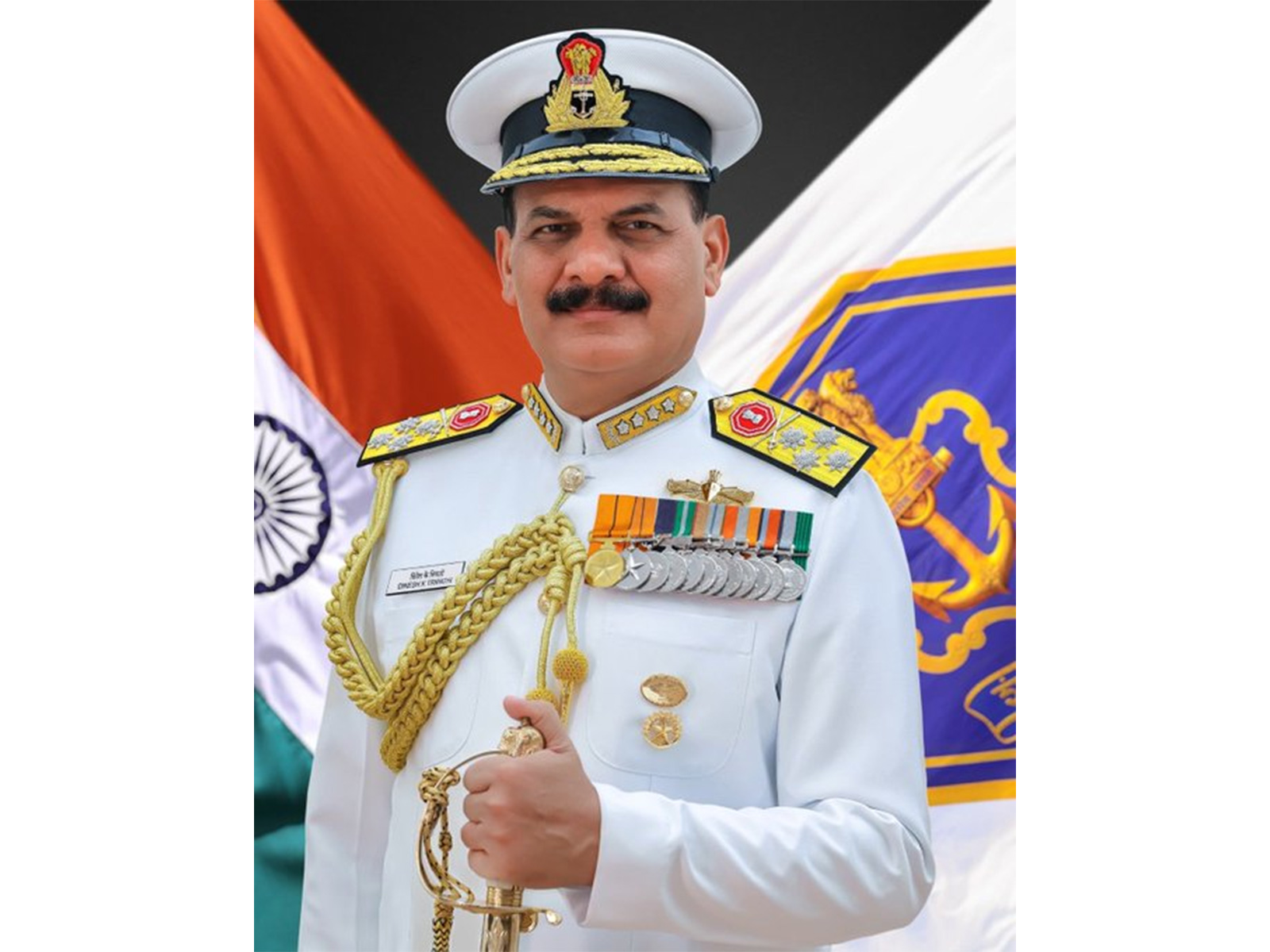
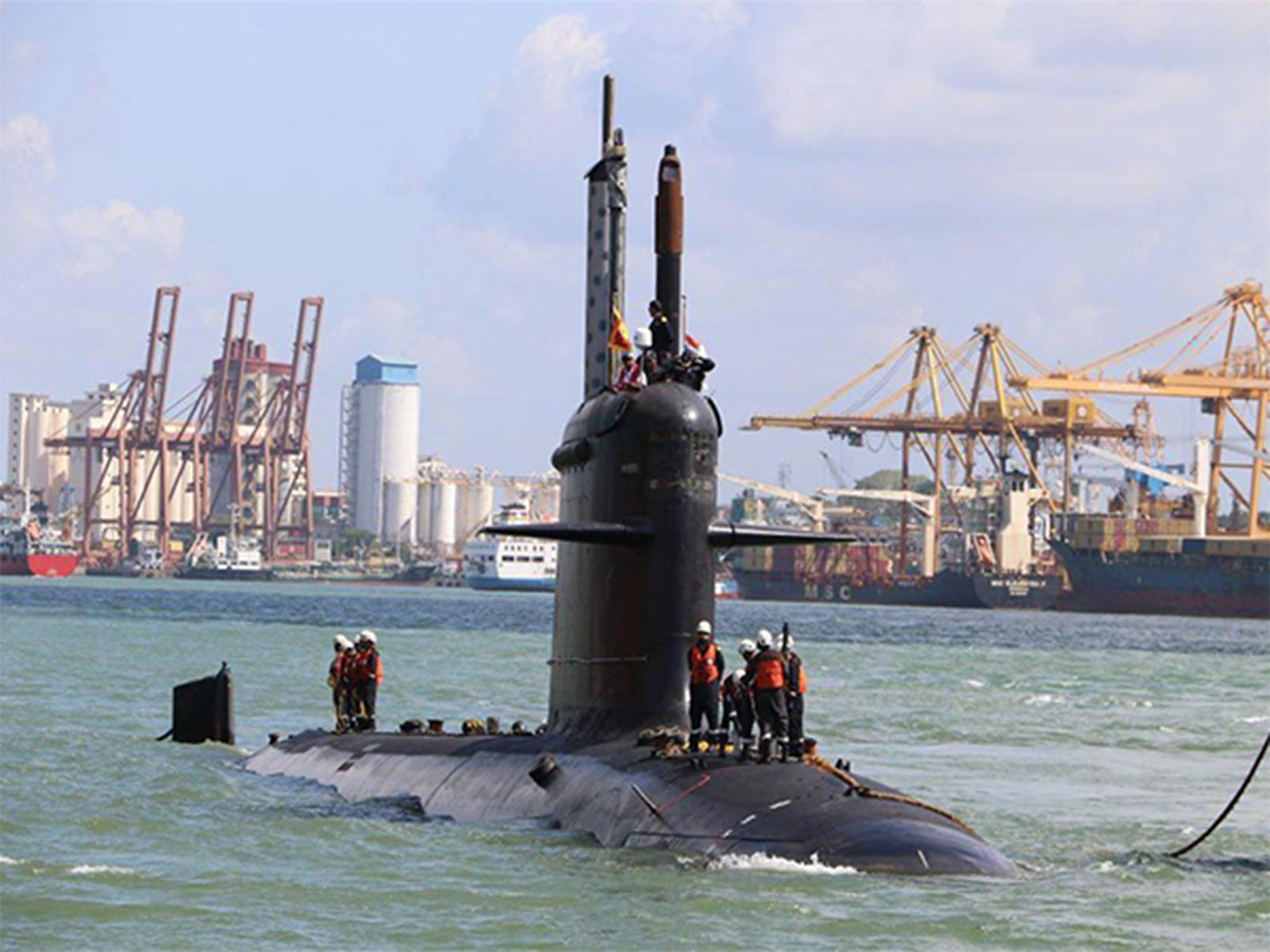
New Delhi [India], May 30 : Outgoing Chief of the Naval Staff (CNS) Admiral Dinesh K Tripathi has outlined the Indian Navy's roadmap for the coming decade, saying the first submarine under the long-awaited Project 75(I) programme is expected to join the fleet by 2033.
He also highlighted progress in the induction of MH-60R Romeo helicopters and said the Navy is steadily moving towards a future force that will combine crewed and uncrewed systems across air, surface and underwater domains.
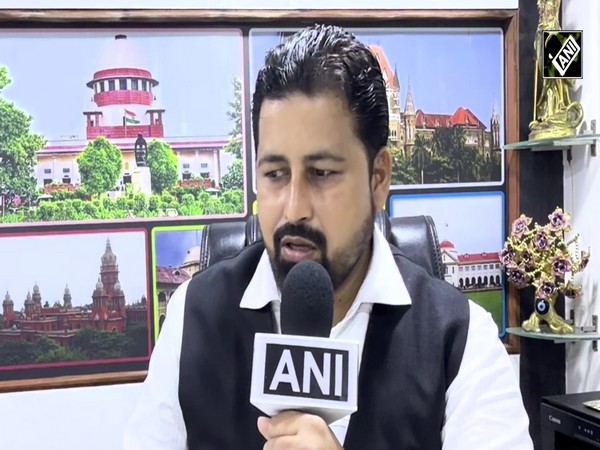
In an interview with ANI, Admiral Tripathi said Project 75(I) goes beyond the acquisition of submarines and is aimed at creating a long-term domestic capability for the design, development and production of advanced conventional submarines.
The Admiral added that the six submarines will be equipped with Air Independent Propulsion (AIP) technology and will be built in India with full transfer of technology and design transfer. 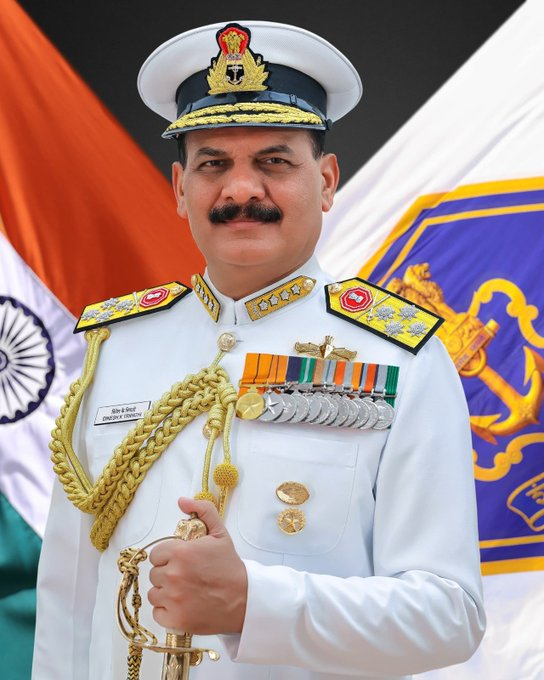
He said, "...Project-75(I) is a strategically important programme aimed at progressively building indigenous capability in the design, development, and manufacture of advanced conventional submarines in India under the Strategic Partnership model. P-75(I) project for six next-generation conventional submarines equipped with Air Independent Propulsion (AIP) is being pursued with complete Transfer of Technology and Design Transfer... Considering the timelines involved, the first submarine is expected to be inducted by 2033, followed by the delivery of one submarine every year until 2038... P-75(I) is as much about strategic capability as it is about submarines."
The project gained momentum last year after the Centre cleared the Defence Ministry and Mazagon Dock Shipbuilders Limited (MDL) to begin negotiations for the programme. MDL had earlier been selected by the Defence Ministry to build the six submarines in partnership with Germany's ThyssenKrupp Marine Systems (TKMS).
According to defence officials, the decision followed a high-level meeting involving top defence and national security officials, who reviewed the future requirements of India's submarine arm and the country's broader maritime security challenges.
The programme assumes greater significance as the Indian Navy is expected to retire around 10 conventional submarines over the next decade. The service has been pushing for faster induction of new submarines to maintain force levels amid the rapid expansion and modernisation of the Chinese Navy and Pakistan's continuing efforts to strengthen its underwater fleet.
Besides conventional submarine projects, India is also pursuing the construction of nuclear-powered attack submarines, with significant participation from the domestic defence industry. The
The Indian Navy also recently commissioned its third ballistic nuclear submarine, INS Aridaman.
The outgoing Navy chief also provided an update on the induction of MH-60R Romeo multi-role helicopters, saying that three helicopters are expected to be delivered to India soon, while another three are currently undergoing trials of India-Unique Equipment (IUE) in the United States before their eventual induction into service.
He said, "...The original order was for 24 helicopters, and their induction and integration have been progressing systematically through phased deliveries, training arrangements, and the integration of India-Unique Equipment (IUE). Out of a total of 24 platforms, three helicopters are currently being utilised in the USA to undertake 'Follow-On Training' for our Indian crew. A total of 15 have been delivered in India, and three more are expected to be delivered soon. Additionally, three helicopters are currently undertaking trials of India-Unique Equipment (IUE) in the USA, and these will be delivered to us subsequent to the successful completion of those specific trials so that they can be fully operationalised for fleet use."
The MH-60R helicopters are among the Indian Navy's most important anti-submarine warfare assets and are expected to enhance the service's ability to detect and track hostile submarines across the Indian Ocean Region.
"Multi-role helicopters remain critical force multipliers at sea... Anti-submarine warfare capability remains a major operational priority," the outgoing CNS added.
On the Navy's plans to expand the use of autonomous and unmanned technologies, Admiral Tripathi said a structured roadmap is already in place and will shape the future composition of the fleet, adding that it also incorporates the concept of Manned-Unmanned Teaming (MUM-T), under which crewed and uncrewed platforms operate together to enhance operational effectiveness.
He said, "...The Indian Navy has already articulated a structured plan through the Indian Navy Roadmap for Uncrewed Systems. Our approach encompasses unmanned aerial systems, unmanned surface vessels, autonomous underwater systems, AI-enabled operational applications, and Manned-Unmanned Teaming (MUM-T) concepts.
The Navy has operated unmanned aerial systems for maritime surveillance for nearly two decades. However, the service is now moving towards a broader ecosystem that includes unmanned surface vessels, autonomous underwater vehicles, artificial intelligence-enabled operational applications and manned-unmanned teaming concepts.
Admiral Tripathi said, "We have been employing uncrewed aerial systems for maritime surveillance missions for about 2 decades now to build Maritime Domain Awareness, and we are now actively expanding into autonomous surface and underwater solutions... Autonomous systems are becoming central to future maritime warfare... The future fleet will increasingly combine crewed and uncrewed capability."