Frequent polls counter-productive: PP Chaudhary says One Nation One Election to reduce governance disruptions
Oct 31, 2026
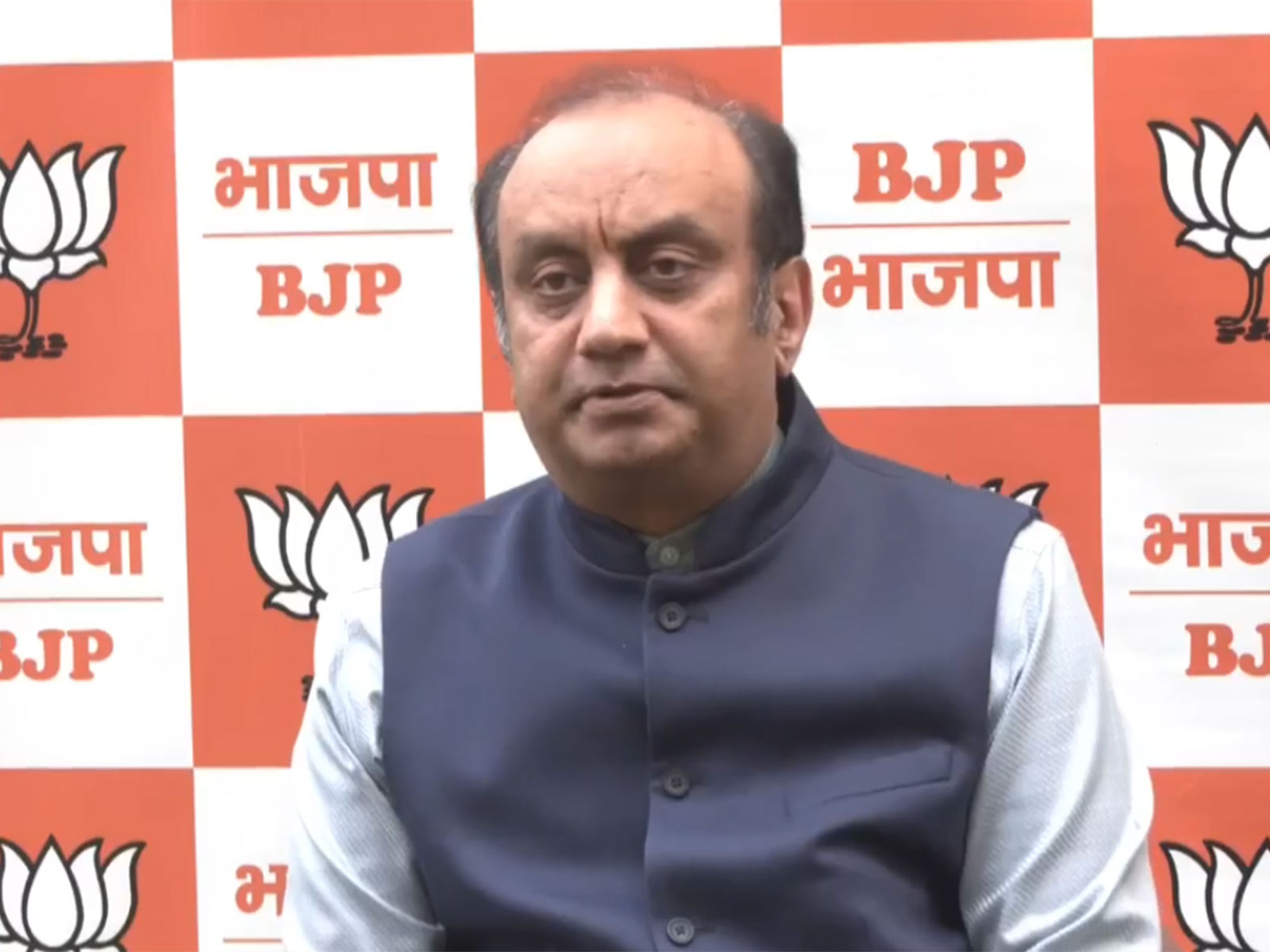
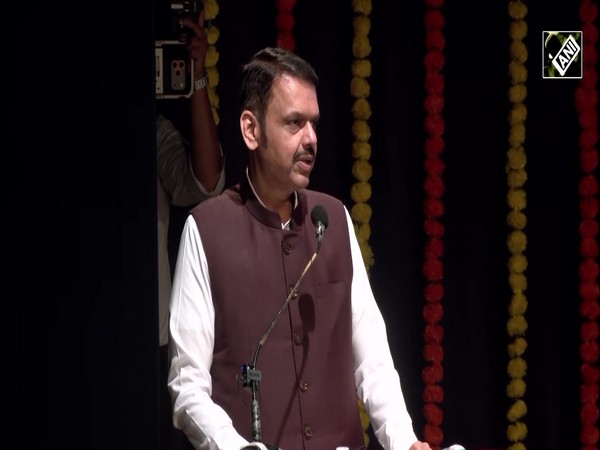
New Delhi [India], October 31 : Senior BJP MP and Chairperson of the Joint Parliamentary Committee (JPC) on Saturday asserted that the idea of One Nation, One Election will reduce disruptions in governance, prevent economic setbacks and ensure the uninterrupted implementation of social welfare schemes.
The JPC chairman cited that Independent India's first few General and Assembly elections were held simultaneously already. However, that streak was broken when then Prime Minister Indira Gandhi recommended the dissolution of Parliament following a split in the Congress. In 1971, the general elections were held ahead of the original schedule, along with the assembly elections of Tamil Nadu, West Bengal, and Odisha.
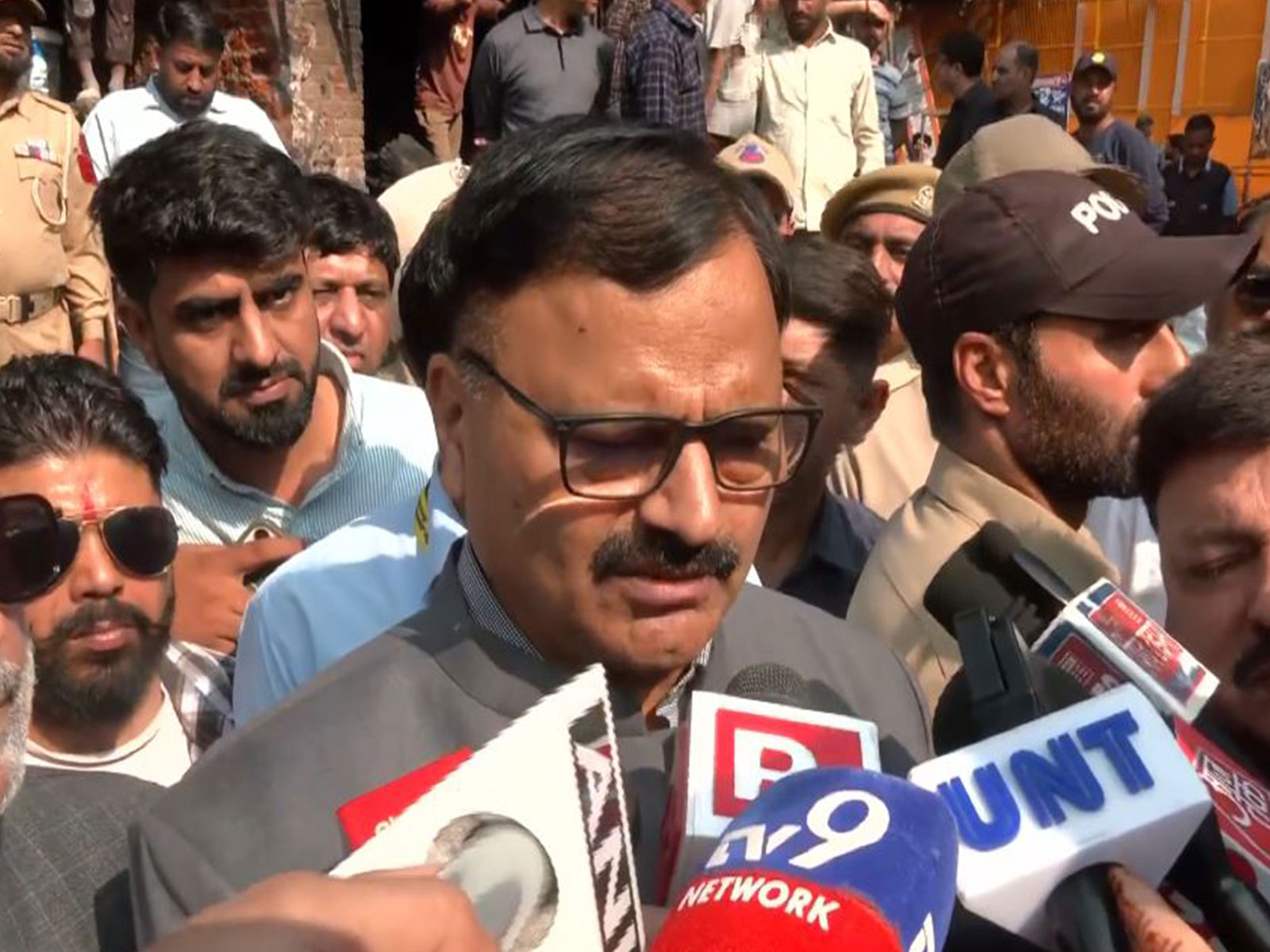
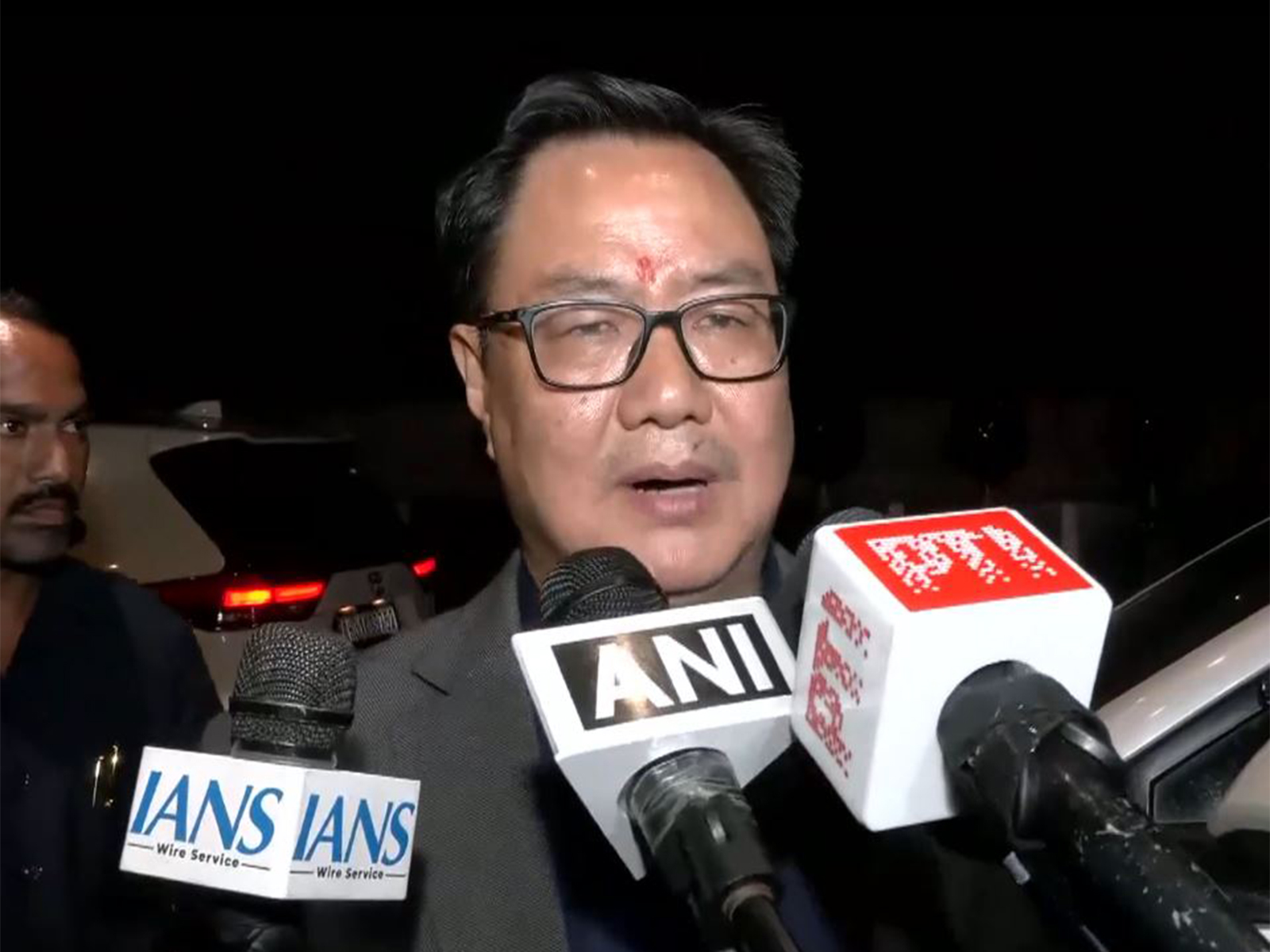
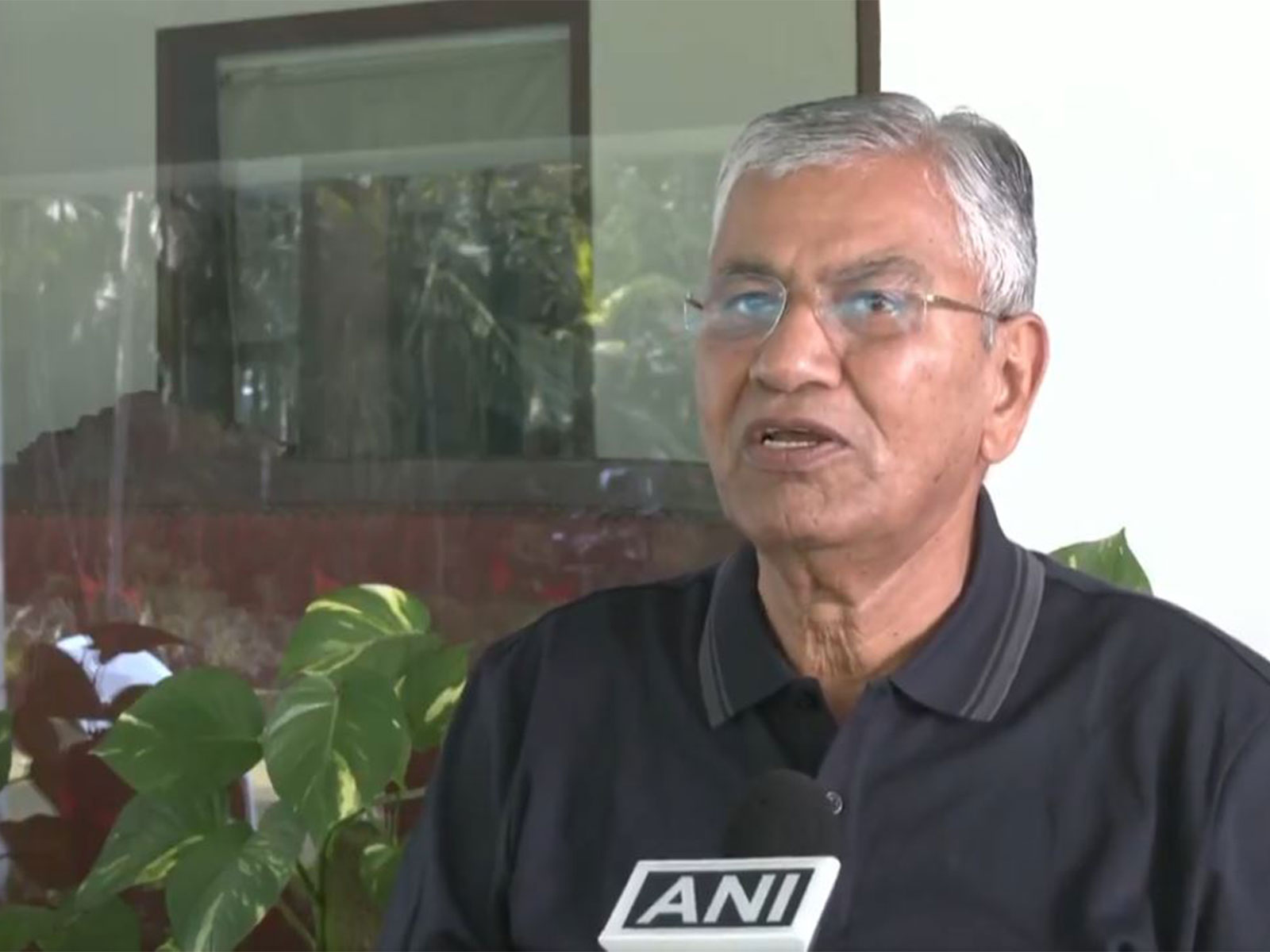
Chaudhary told ANI that One Nation, One Election was Prime Minister Narendra Modi's vision to conduct parliamentary and Assembly elections together, arguing that holding multiple elections throughout the year was unproductive and not in the country's interest.
"Frequent elections cause disruptions in governance, affect the economy and impact social justice schemes. There are several reasons why this is not in the country's interest. Holding three to seven Assembly elections every year is unproductive. If people are asked whether they want three to seven elections every year or simultaneous Lok Sabha and Assembly elections, everyone would say that elections should be held together because simultaneous elections are more productive," he said.
Referring to India's electoral history, Chaudhary said Lok Sabha and State Assembly elections were held simultaneously from 1952 to 1967, during which four general elections took place. However, the electoral cycles became separate thereafter.
He said Prime Minister Narendra Modi had constituted a committee under the leadership of former President Ram Nath Kovind to examine the proposal.
The eight-member committee submitted a report recommending simultaneous elections to the Lok Sabha and State Legislative Assemblies, followed by elections to Panchayats and local bodies within 100 days.
Following the acceptance of the committee's recommendations, the government introduced a Bill in Parliament proposing simultaneous Lok Sabha and Assembly elections.
A Joint Parliamentary Committee (JPC), comprising of 41 members was subsequently constituted to examine the proposal.
Earlier on Friday, Chaudhary said that experts have dismissed concerns regarding federalism, arguing that regional parties stand to benefit from a synchronised electoral system.
Speaking to ANI, Chaudhary shared that the committee engaged with eminent economists, political scientists, and senior members of the Prime Minister’s Economic Advisory Council (EAC-PM) to examine the economic, structural, and political dimensions of holding simultaneous polls across the country.
"Joint Parliamentary Committee meeting on One Nation, One Election was held today, attended by eminent economists, political scientists and other members of the Prime Minister’s Economic Advisory Council. They shared valuable insights on the economic and political implications of simultaneous elections, and committee members sought clarifications on various issues," he said.