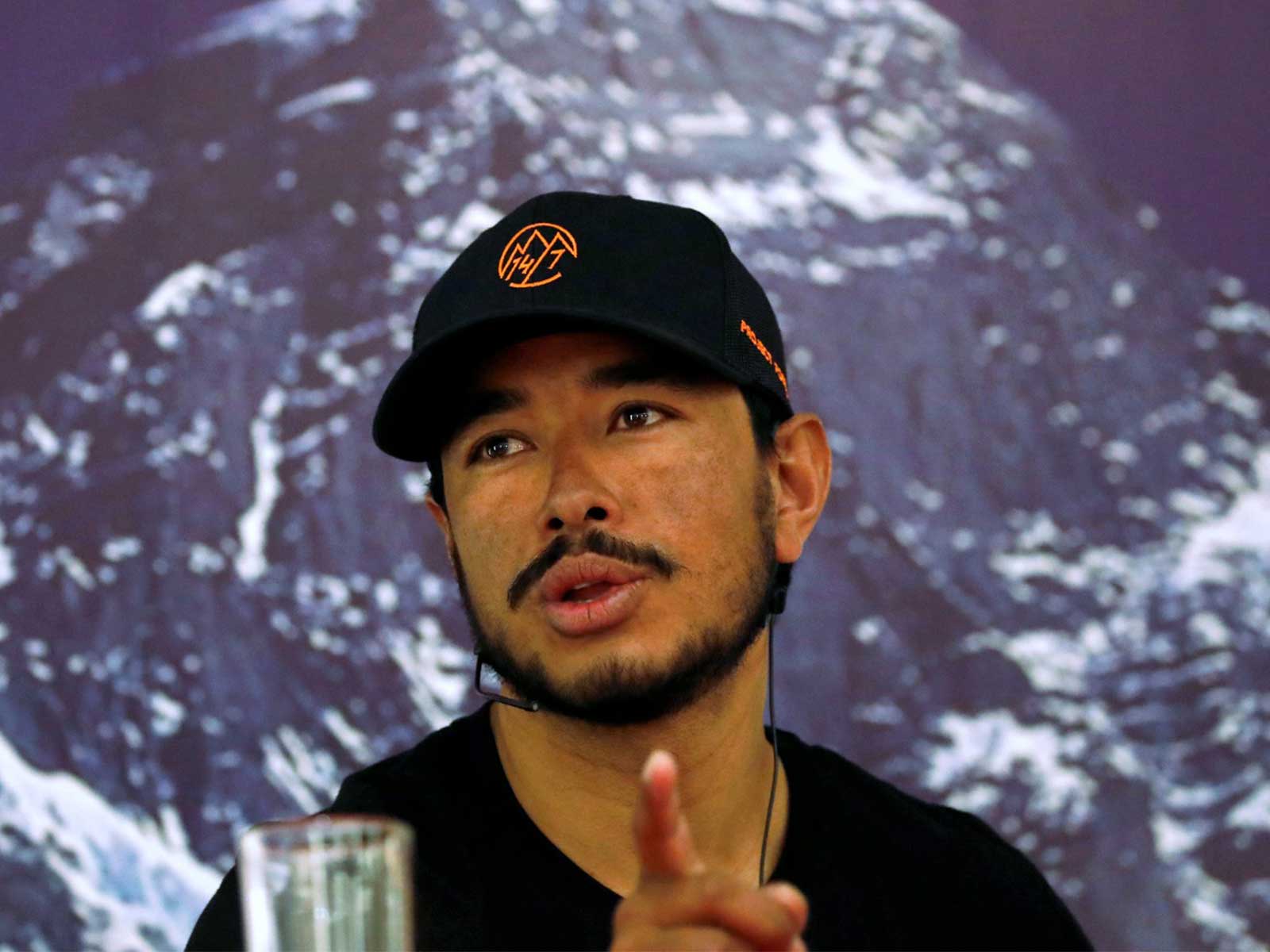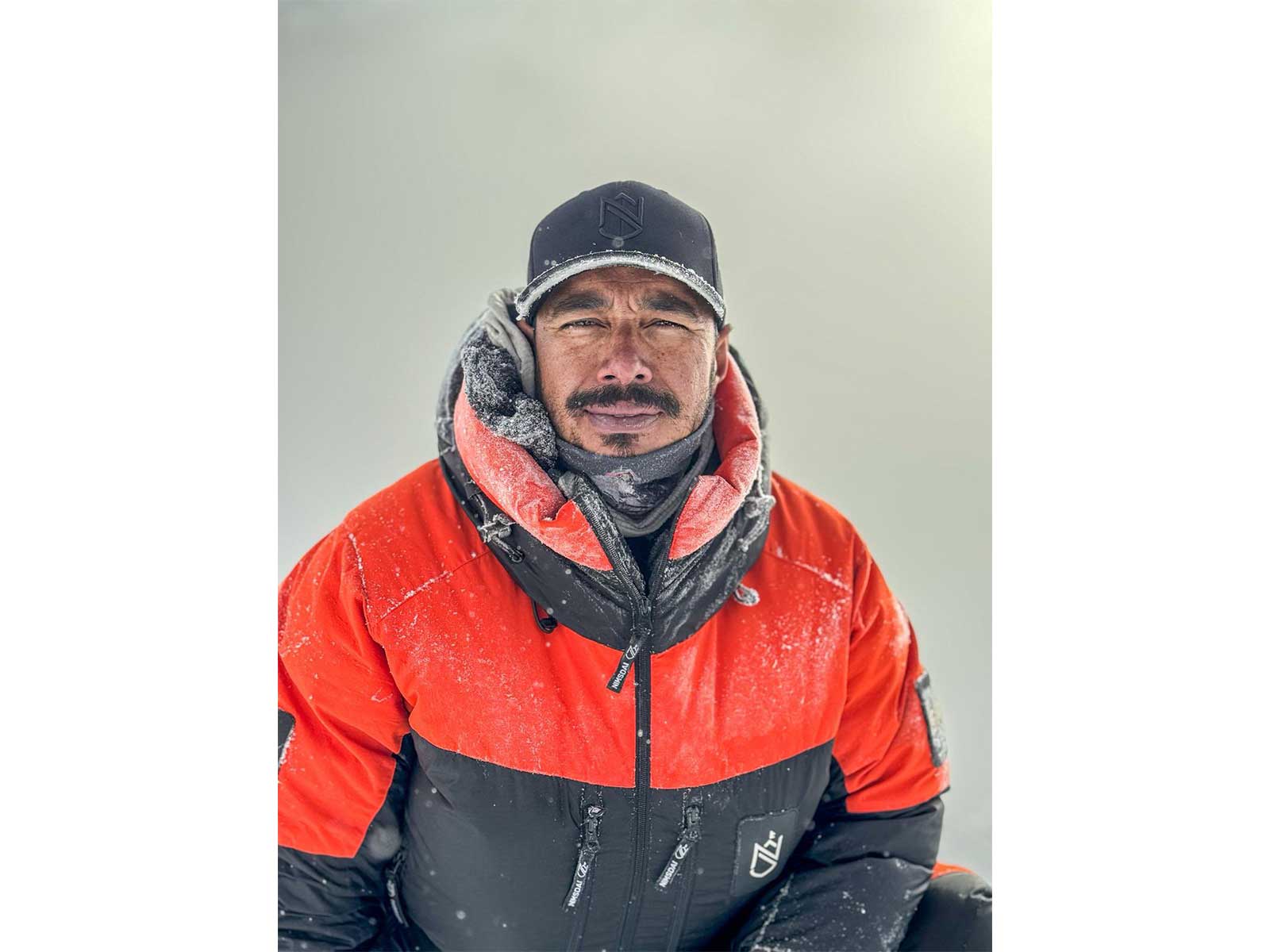
From Special Forces to legend: Tragic final ascent of Nirmal Purja, Broad Peak "was never the plan"
Aug 01, 2026
By Binod Prasad Adhikari
Kathmandu [Nepal], August 1 : What started as a focused mission for Gasherbrum II (G2) quickly shifted when "Nimsdai" crunched the numbers before heading to Pakistan.
Summiting Broad Peak would leave only Cho Oyu remaining, positioning him to become the first person in history to climb all 14 eight-thousanders twice without supplemental oxygen.
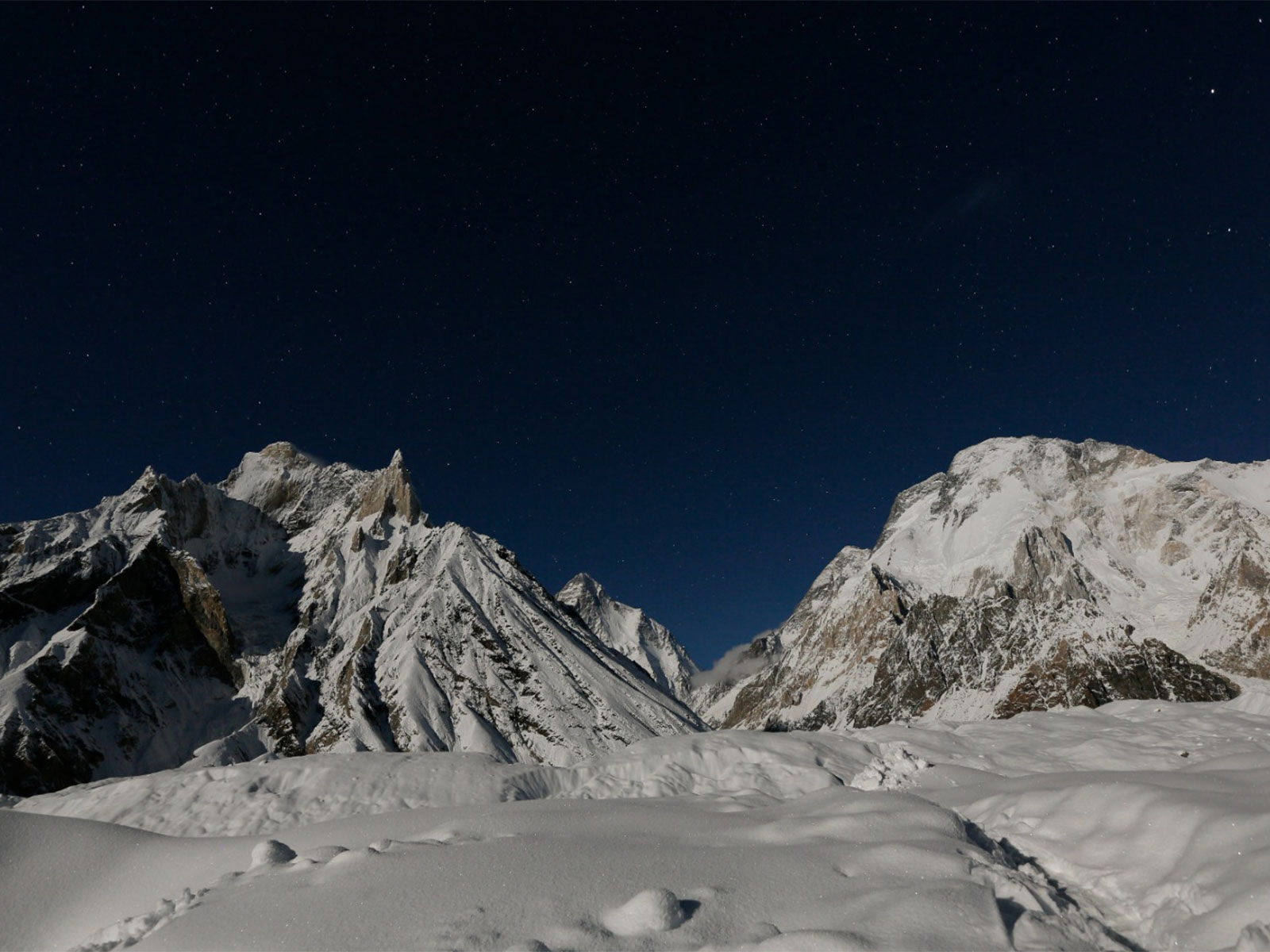
In his July 27 post on X, Purja noted, "Opportunities don't scream: they whisper to those already working in silence." However, climbing the Broad Peak "was never the plan" for British-Nepalese mountaineer Nirmal Purja.
"THE MISSION SHIFTS. THE COMPASS HOLDS. This was never the plan. Initially, the plan was to climb just G2. But just before setting off for Pakistan, I ran the numbers on my 8000m summits. That's when it hit me: if I tick off Broad Peak whilst I'm here, only one remains "Cho Oyu." Then I become the FIRST person in history to climb all 14 eight-thousanders twice. Without oxygen. This wasn't planned. The Hattrick project was the focus because it carried a bigger mission. But opportunities don't scream: they whisper to those already working in silence," the post reads.
In the post, he also asked for the safe passage up and back down from the Broad Peak: "Broad Peak, I ask for nothing but safe passage up and back down. I take zero mountains for granted. Not one. The moment my foot leaves basecamp, it's 100%. Always has been. Always will be."
On Thursday, an avalanche struck a team of 10 climbers on the 8,051-meter peak; there were hopes that he would make it back alive as his tracking device showed some movement of about 10 meters.
This had given a hope of him being alive, conscious and awaiting rescue, but it slowly started to fade off with the time in delay for the deployment of rescue teams.
Tracking data showed that Nirmal Purja had reached an altitude of 6,659 metres, above Camp II on Broad Peak, at 9:38 AM (local time) on Thursday. The tracker then recorded a rapid descent of about 800 metres to 5,891 metres at 10:18 AM, consistent with the reported avalanche. No further location data was transmitted from Purja's tracker thereafter except for the 10-metre change, which was assumed to be a glitch.
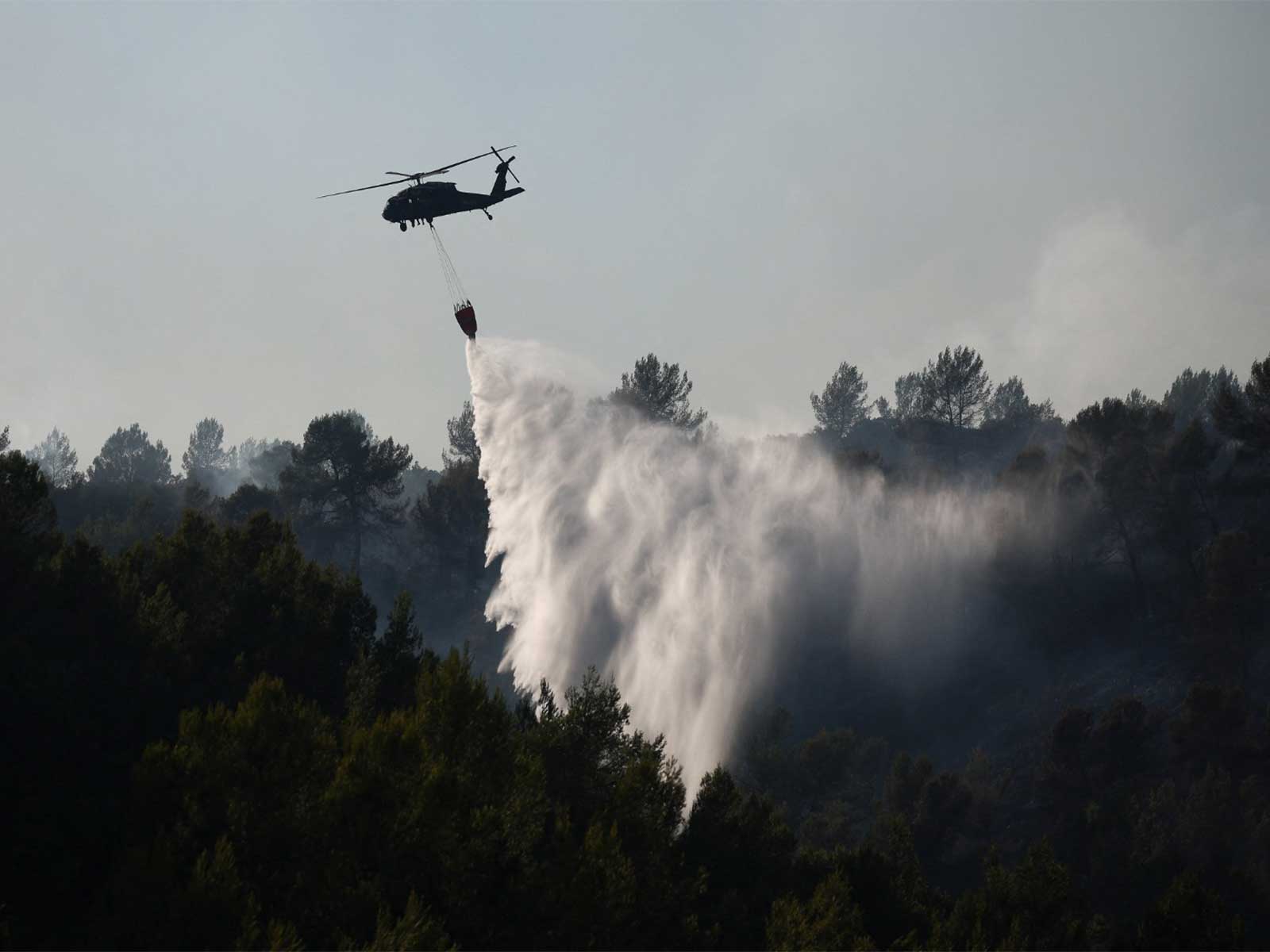
Searchers and rescuers involved in the operation met with their worst fear when they spotted the bodies of the missing climbers about 48 hours after the avalanche hit. Drones flown from the Base Camp spotted Nirmal Purja "Nimsdai," Kili Pemba Sherpa, Nima Sherpa, and Wang Zhong, just below Camp I on the Concordia side of the mountain.
The 43-year-old record-holding climber was born in a village in Myagdi district of Nepal, which lies at an altitude of around 1,600 metres. Hailing from a Gurkha family, he joined the British Army's Gurkha Regiment in 2003 at the age of 18 and was later selected for the United Kingdom Special Forces in 2009.
During his 16 years of military service, Purja developed a passion for mountaineering. He made his first ascent in 2012 by climbing the 6,119-metre Lobuche Peak. In 2018, he resigned from the military to pursue mountaineering full-time. The same year, he was awarded the Member of the Order of the British Empire (MBE) by Queen Elizabeth II in recognition of his achievements.
Purja rose to global prominence in 2019 after completing his Project Possible 14/7, climbing all 14 of the world's 8,000-metre peaks in a record six months and six days. The feat brought him international acclaim and led to the launch of his own expedition company and outdoor apparel brand.
Although Norwegian climber Kristin Harila surpassed the record in 2023 by completing the challenge in three months and one day, Purja's achievement remained one of the most celebrated milestones in modern mountaineering.
His remarkable journey was featured in the popular Netflix documentary 14 Peaks: Nothing Is Impossible. Purja also sparked global debate in May 2019 after sharing a widely circulated photograph showing a long queue of climbers near the summit of Mount Everest, drawing attention to overcrowding and safety concerns on the world's highest peak.
Alongside his achievements, Purja also faced controversy. In 2024, The New York Times reported allegations of sexual misconduct made against him by two women. Purja denied the allegations through his legal representatives.