Fuel crisis cripples Quetta policing, raises alarming security concerns
Apr 26, 2026
Balochistan [Pakistan], April 26 : A deepening fuel shortage for police patrol vehicles in Quetta has significantly undermined routine law enforcement operations, heightening fears among citizens about rising crime and slower emergency response times, as reported by The Express Tribune.
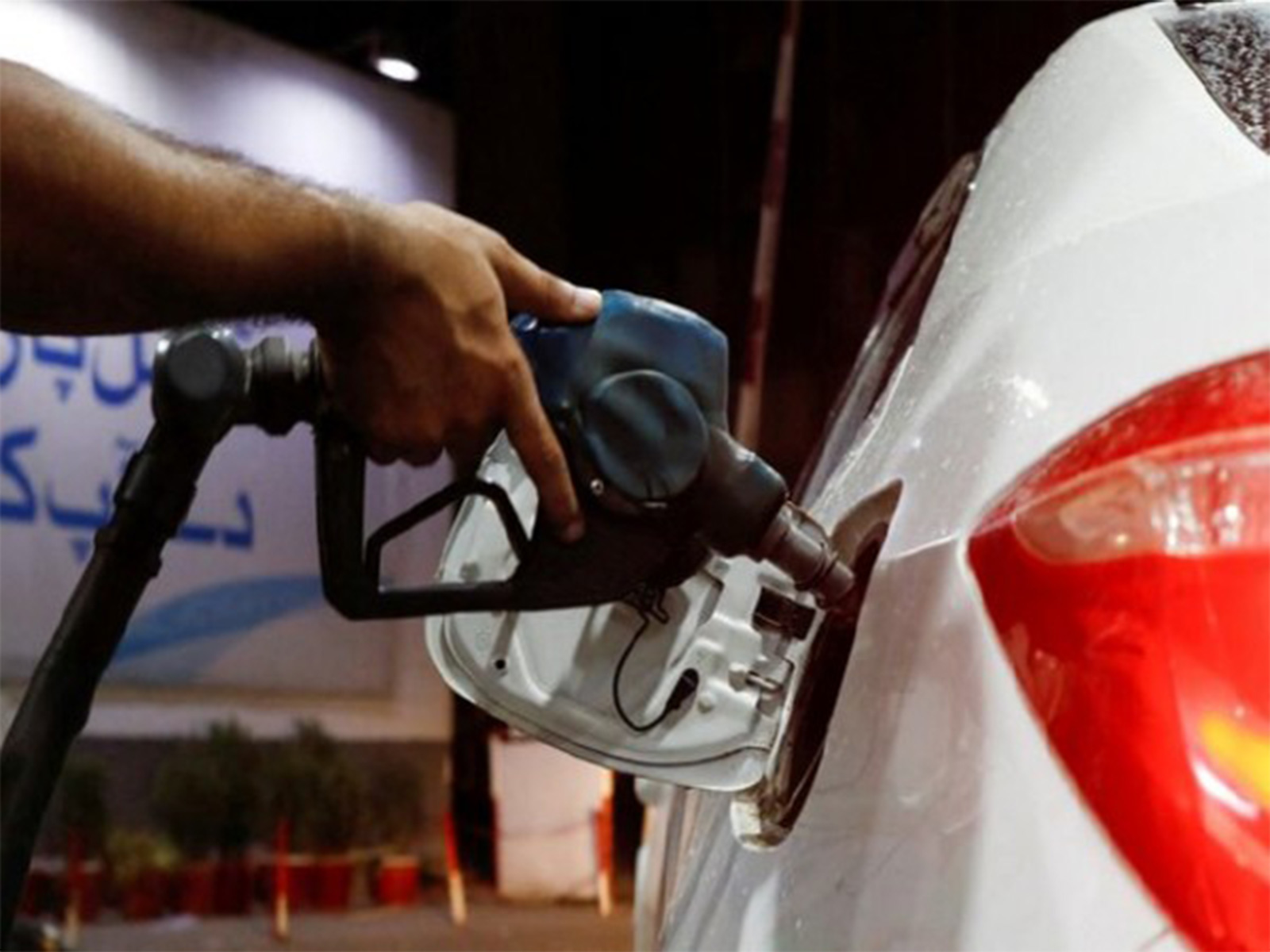
According to The Express Tribune, police vehicles across multiple stations in the provincial capital have reportedly been forced off the roads due to critically low supplies of petrol and diesel amid the blocking of Strait of Hormuz, even as the United States and Iran participated in the first round of talks in Islamabad, with the meeting ending without any deal.
These patrol units, essential for maintaining order and ensuring rapid response, are now operating far below capacity. The limited fuel availability has left large areas of the city without adequate policing coverage.
Sources indicate that each police station is being allocated only around 70 litres of fuel for an entire month, an amount officials say is sufficient to keep a patrol vehicle running for just a few days. Consequently, most vehicles remain idle for extended periods, severely disrupting patrolling routines. This shortage has effectively reduced the visibility of law enforcement on the streets.
The crisis is further aggravated by a daily fuel distribution system in the region, under which stations receive as little as two litres per day for patrol duties. This negligible allocation has brought regular patrolling to a near standstill, creating gaps in surveillance and giving criminal elements more room to operate unchecked. Residents have begun reporting a noticeable uptick in street crime and violence, attributing it to the absence of police presence, as cited by The Express Tribune.
Concerns are also mounting over delayed response times in emergencies, potentially putting lives and property at greater risk.
A steep rise in petroleum prices is sending shockwaves across Pakistan's economy, significantly inflating the cost of essential goods, including critical medicines, and intensifying financial pressure on vulnerable households. The cascading effect of fuel inflation has made healthcare increasingly unaffordable for many citizens, as reported by The Express Tribune.