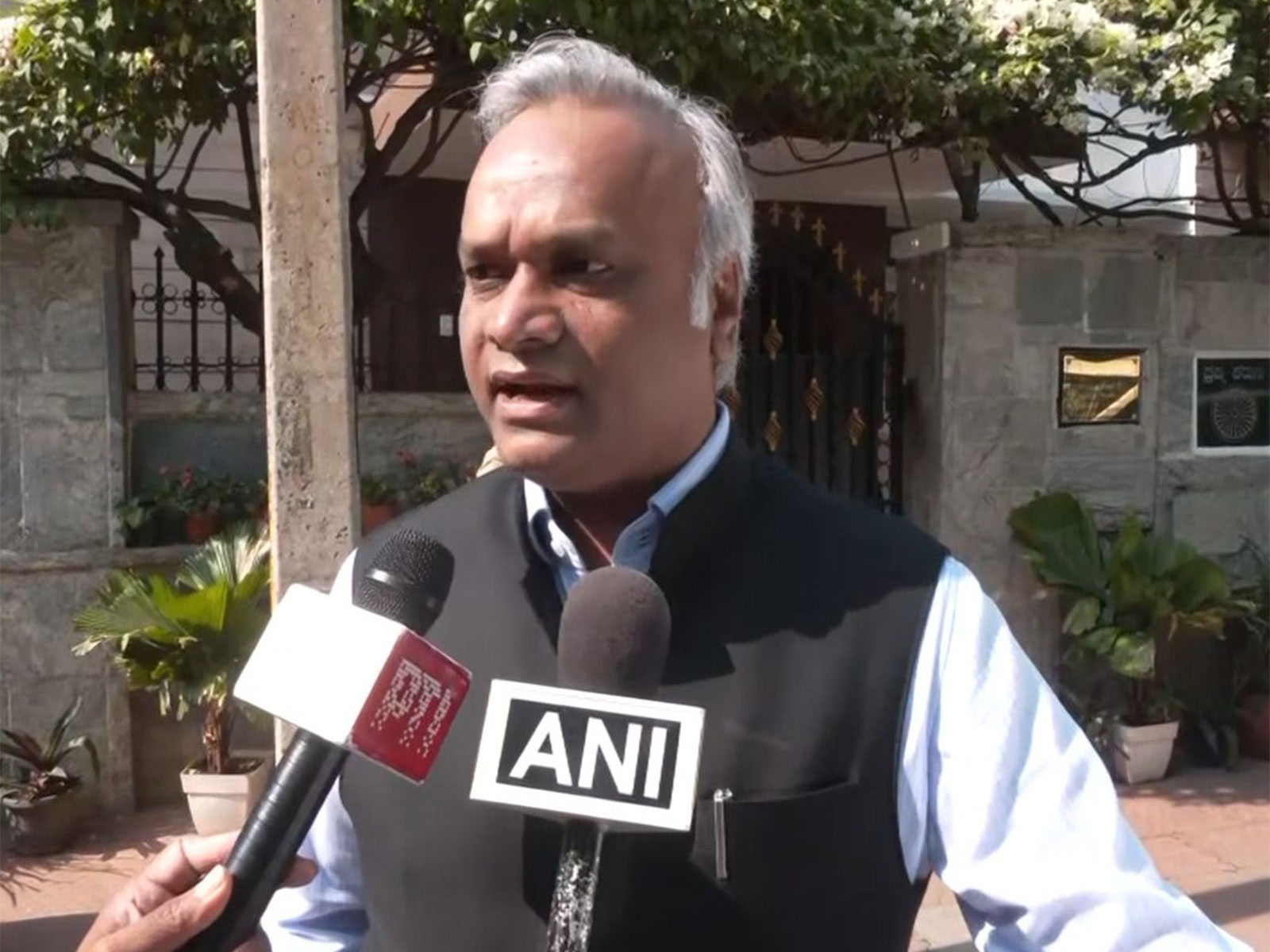
Fuel imports keep India's economy under pressure despite gold duty curbs: Kotak Securities official
May 21, 2026
Mumbai [Maharashtra] [India], May 21 : India's economy continues to face mounting pressure from elevated crude oil prices amid a prolonged geopolitical crisis and disruptions in global shipping routes, with experts warning that recent government measures may offer only limited relief.
The unresolved three-month conflict has pushed international crude oil prices close to the USD 100-120 per barrel range, sharply increasing India's import burden and widening concerns over the Current Account Deficit (CAD).
Kainat Chainwala, Assistant Vice President of Commodity Research at Kotak Securities, said India remains highly vulnerable because the country imports over 80 per cent of its requirements for crude oil, gold, and silver.
"It is a huge impact on our import bill because crude oil, gold, and silver--we import almost over 80 per cent of our national requirements," Chainwala stated.
She explained that while short-term geopolitical disruptions could have been absorbed, the prolonged nature of the crisis has intensified pressure on India's economy, especially due to the indispensable role of fuel in transportation and logistics.
Because fuel remains the critical engine that keeps logistics and economic activity running, consumption cannot easily be reduced. In an attempt to safeguard foreign exchange reserves and contain non-essential dollar outflows, the government has imposed a sharp import duty hike on gold and silver.
According to Chainwala, these restrictions may temporarily slow immediate dollar outflows, but they cannot fully resolve the underlying stress as long as crude oil prices continue hovering near USD 100 a barrel.
"Unless and until crude oil prices come under control, it's going to be a huge strain on our economy," she warned.
The rising dollar payments needed for essential imports have also kept the Indian rupee under intense pressure, pushing the domestic currency toward record lows.
Chainwala noted that meaningful relief for the rupee is unlikely unless global inflationary pressures ease and key shipping routes resume normal operations.
The commodity volatility has also triggered mixed trends in the bullion market. While gold traditionally benefits from safe-haven demand during geopolitical instability, elevated US bond yields have capped gains in international prices. However, in India, the increase in import duties has pushed domestic gold prices higher on the Multi Commodity Exchange (MCX).
Despite strong wedding-season demand supporting jewellery purchases, consumers are increasingly opting for lighter designs to manage rising costs. Chainwala added that persistently high prices are gradually accelerating a shift from heavy physical jewellery toward more affordable and systematic investment options such as gold Exchange-Traded Funds (ETFs) and SIPs.