GDP growth figures are based on "fudged accounting": CPI(M) General Secretary MA Baby on 7.8% GDP growth
Sep 04, 2026
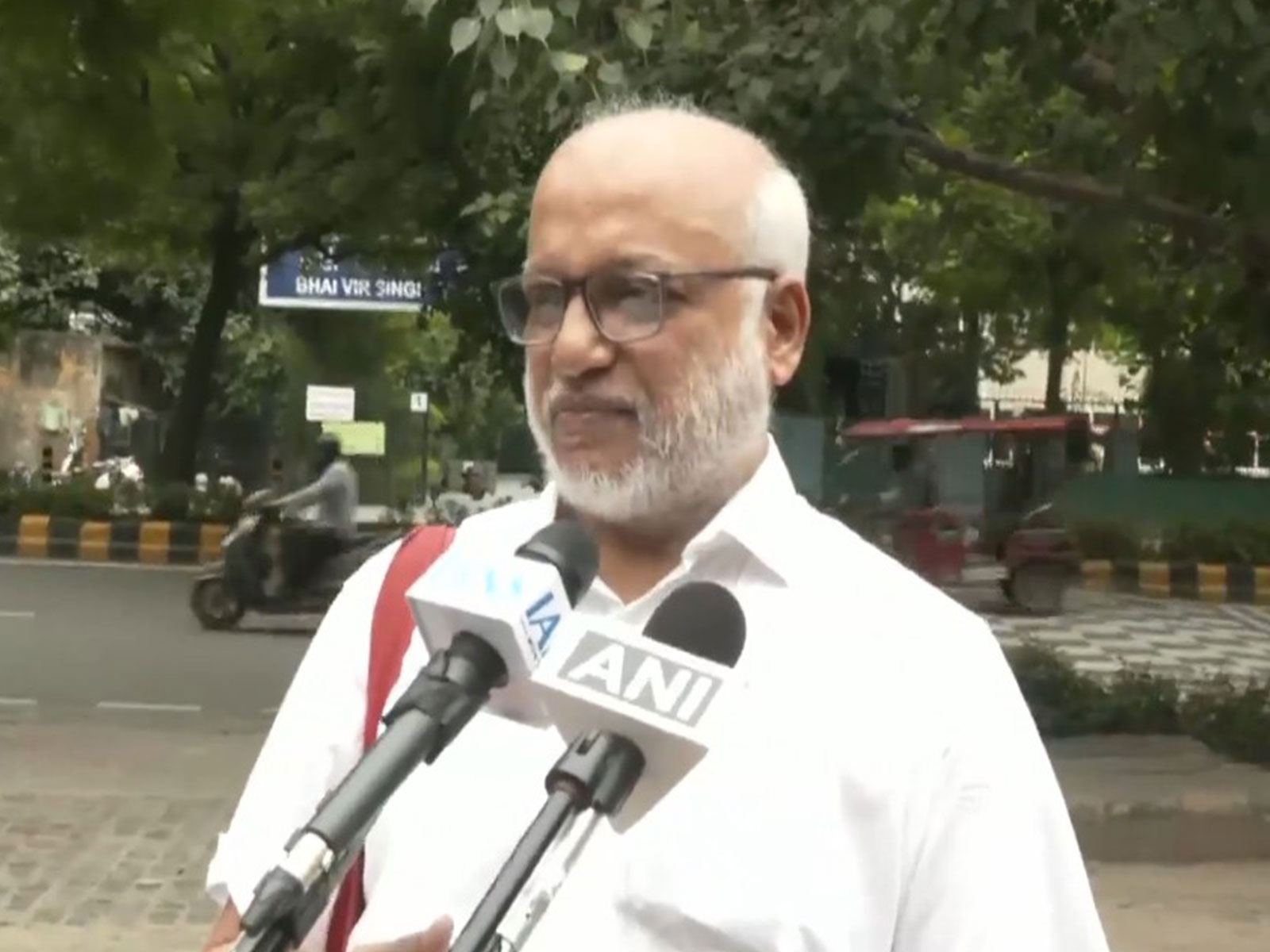
New Delhi [India], September 4 : CPI(M) General Secretary MA Baby on Friday alleged that the GDP growth figures being projected by the Centre are based on "fudged accounting" and said economists are coming out against the figures being presented by the government.
Speaking to reporters, Baby said the issue has been exposed by the former finance secretary himself and claimed that economists have also raised concerns over the figures.
"This has been exposed by the former finance secretary himself. Economists are coming out against it. There is a statement that you can do anything with statistics. The so-called amazing growth rate that is being shown through the GDP statistics is fudged accounting," he said.
Congress has questioned the government’s claim that India’s economy grew by 7.8% in the April-June 2026 quarter, raising concerns over revisions to previous years’ GDP figures, inflation estimates and the performance of manufacturing and private consumption.
In a statement released by Congress General Secretary (communications) Jairam Ramesh, he argued that a closer examination of the numbers raised questions about the basis of the calculation.
He argued that reducing the base against which the current year’s growth is measured can make the growth rate appear significantly higher even if there has been no corresponding change in the underlying economic activity.
Citing former Finance Secretary Subhash Chandra Garg's remarks on the same, Ramesh said that if the base-year figure had not been revised down, nominal growth in the quarter would have been closer to 2.6%, rather than the 10.3% claimed by the government. He further claimed that after adjusting for inflation, real growth would be close to zero.
Ramesh also raised questions over revisions to GDP estimates for the four years since 2022-23. He said the “new series” had reduced the nominal GDP figure for every year compared with the earlier estimates.
According to his statement, the reduction was between ₹8 lakh crore and ₹12 lakh crore for each of the four years, amounting to a combined downward revision of ₹43 lakh crore.
The party said the revision was a major “correction” and questioned how such a large reduction in the estimated size of the Indian economy had resulted from a change in methodology.
Ramesh also questioned the inflation measure used in calculating real GDP growth. He said the difference between nominal and real GDP growth implied a government deflator of only 2.5%, while he cited wholesale inflation at 9.4% and said retail inflation during the same period was 3.9%.
He further alleged that manufacturing GVA had declined by 5.2% and private consumption by 5.4%. The statement also referred to the HSBC Purchasing Managers’ Index, saying the manufacturing PMI had hit a five-year low in August, while new orders, output growth and employment had slowed.
Ramesh said doubts over India’s GDP data were not new and cited former Chief Economic Adviser Arvind Subramanian, who he said had argued that growth was underestimated during the 2005-2011 boom years but had been consistently overestimated since the methodology and base year were changed in 2011-12.
He also referred to an IMF assessment in late 2025 that gave India’s national accounts a “C” grade, describing it as the second-lowest grade.
In the statement, Ramesh asked the Modi government to explain the substantial downward revision in GDP estimates, the ₹43 lakh crore reduction in the estimated size of the economy, the methodology behind the revisions and the rationale for the deflator used to calculate real GDP.
India's real GDP grew by 7.8% in the first quarter of the fiscal year 2026-27, according to official data released by the Ministry of Statistics and Programme Implementation (MoSPI).