Gig economy sees 20-30% monthly churn, poses challenge for industry: Zepto Director
May 29, 2026
New Delhi [India], May 29 : The Indian gig economy is experiencing a massive revolving-door effect, with platforms witnessing an estimated 20% to 30% monthly worker churn due to the ultra-flexible nature of app-based labour.
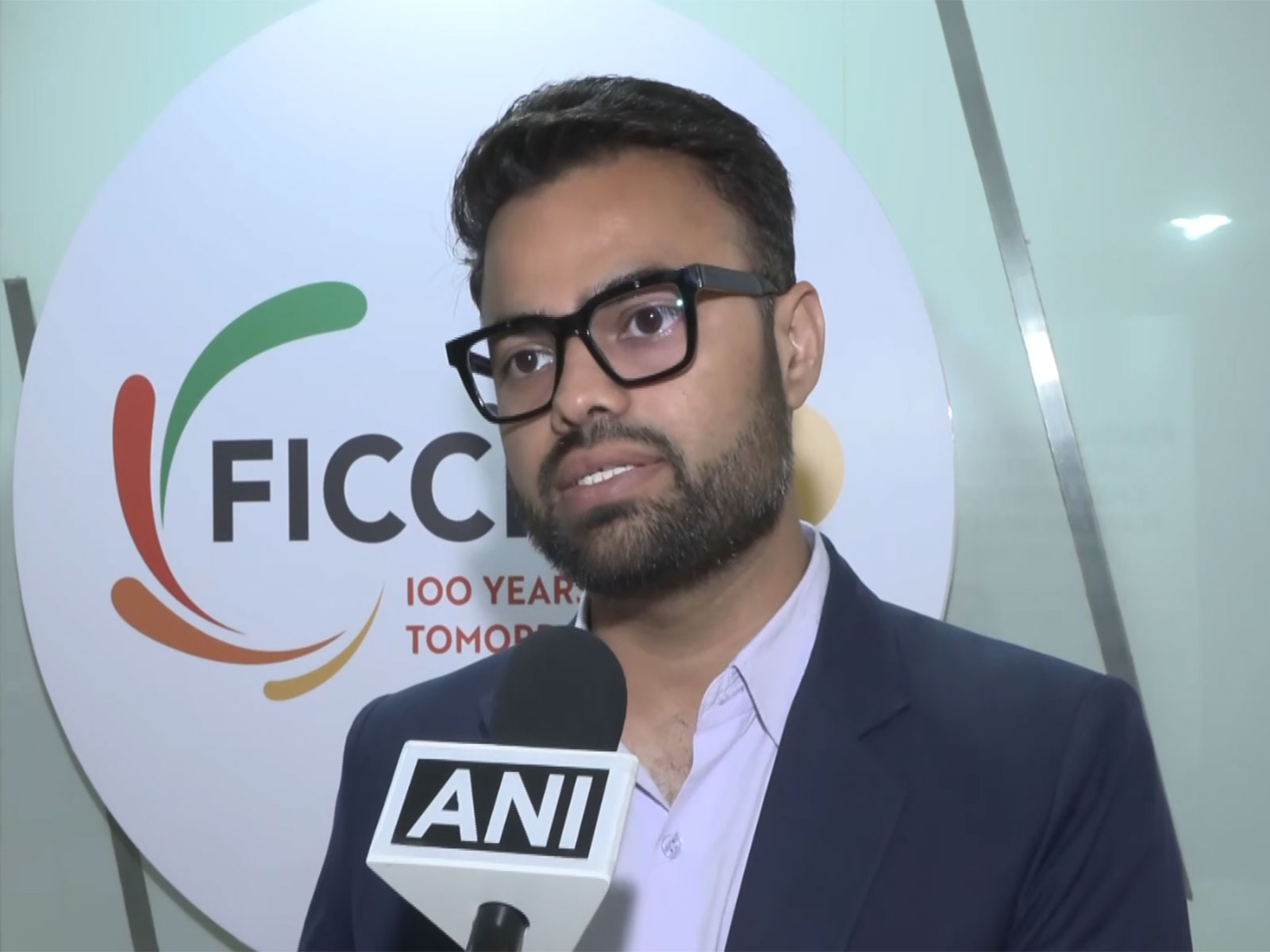
Speaking exclusively to ANI, Nikhil Dahiya, Director of Public Policy at quick-commerce unicorn Zepto, flagged this high turnover as a definitive challenge for the industry. He emphasised that this volatile labour pattern highlights the urgent need to establish unified, structural social security nets for delivery partners.
"There's a significant amount of churn that keeps on happening. People keep on switching to multiple apps and there's also churn on account of natural phenomena. You can expect even 20 to 30 per cent churn every month in the gig economy," Dahiya told ANI in an exclusive interview on the sidelines of the Stakeholders' Consultation on Opportunities and Challenges of Gig and Platform Workers in India, organised by FICCI - AIOE in collaboration with ILO.
He said the consultation was organised in collaboration with the All India Organisation of Employers (AIOE), the International Labour Organization (ILO) and the Federation of Indian Chambers of Commerce and Industry (FICCI), with participation from the Ministry of Labour and Employment.
According to him, the deliberations focused on concerns related to grievance redressal systems for gig workers and the broader social security framework being discussed under the Labour Codes on Social Security.
"So this was about the industry consultation in collaboration with AIOE, ILO and FICCI. The industry wanted to raise some concerns and also sensitise stakeholders regarding the grievance redressal mechanism and how the social security framework currently works," Dahiya said.
He added that discussions were held on what an effective social security framework for gig workers could look like and what forms of protection workers are currently seeking.
"They are primarily looking at insurance protection, which goes into accident, health and life coverage. Then there is maternity benefit and old-age provision, which are already part of the new Labour Codes on Social Security," he said.
Dahiya said gig work has increasingly become a supplementary source of income for students and workers employed in other professions due to the flexibility offered by the sector.
"For example, if you are a student, you want to earn something part-time, then you simply join gig work for supplementary income in the evening. You are a security guard or a clerk who wants to earn extra income, then after your job ends, you start earning something extra," he said.
He further clarified that the industry does not view social security as a competitive issue among companies operating in the gig economy.
"I don't think it's about being afloat and social security is not a competitive space either. There's a fair sense of understanding between all the industry players that we have to come together and do it," Dahiya said.
He said all companies are expected to contribute towards social security based on the amount of work undertaken by gig workers on their respective platforms.
"Everyone has to contribute based upon the quantum of work that a gig worker is doing with them, respectively," he added.
Dahiya also said the industry has been working closely with the ILO and government stakeholders over the last two years to improve working conditions and strengthen protections for gig workers.
"ILO is currently working on a standard for decent work conditions for gig workers and we are collaborating with them through industry associations. Fundamentally, we are aligned on social security," he said.