Global fallout of Middle East war to hit poorest countries hardest: IMF
Apr 16, 2026
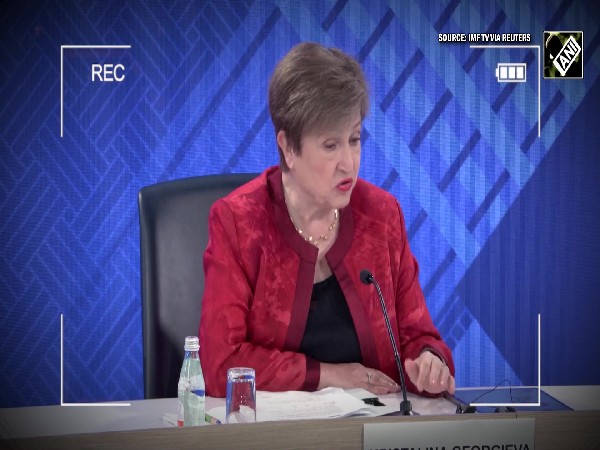
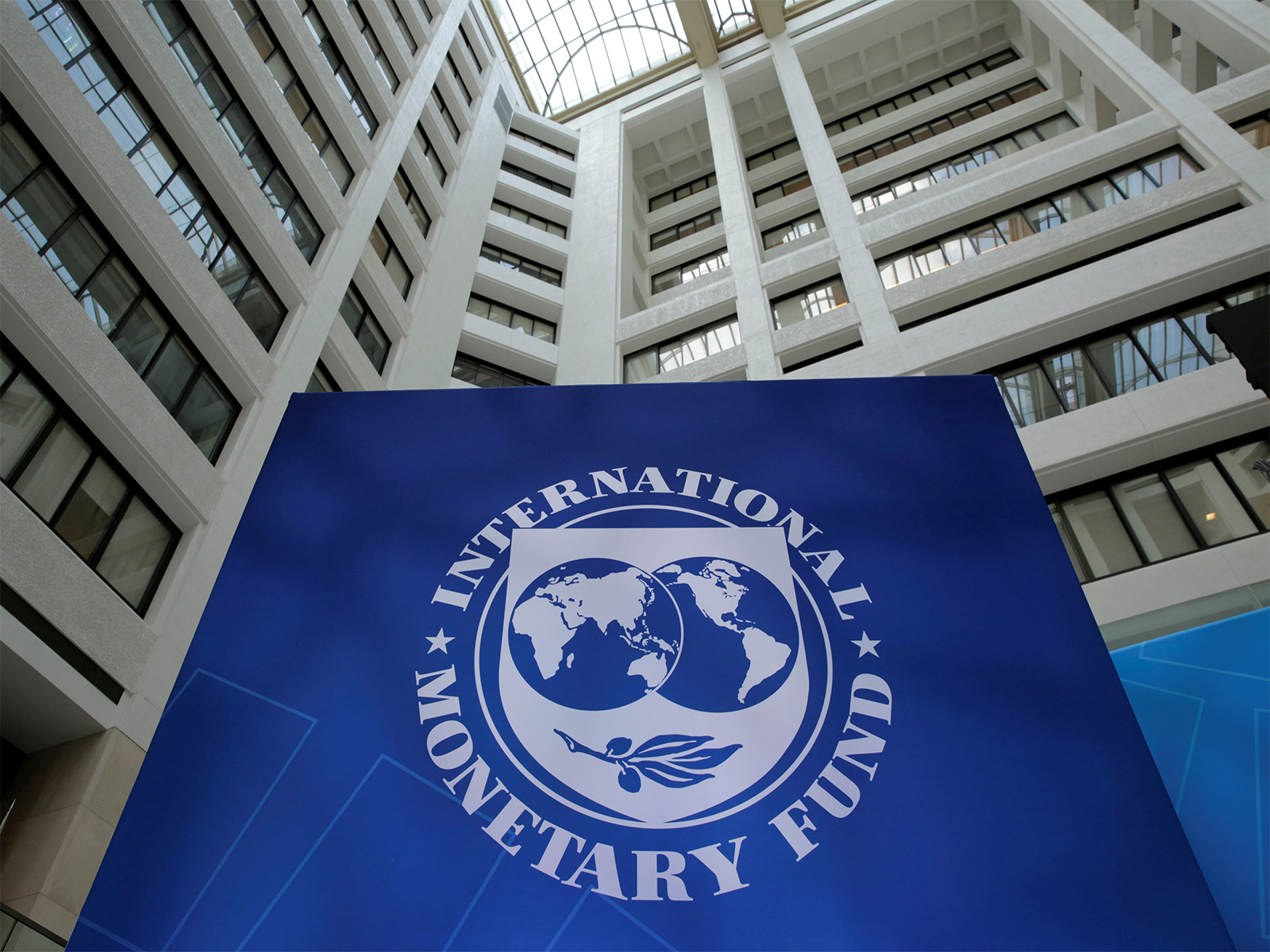
New Delhi [India], April 16 : The economic fallout from the war in the Middle East is turning global, and the International Monetary Fund (IMF) in a recent report warned that the poorest and most vulnerable countries will again be hit hardest.
In a new assessment of policy priorities, the IMF said the shock comes when "policy space has eroded, and international cooperation is weaker," leaving little room for error.
"Countries that pair financial strength with credible policy frameworks, strong institutions, vibrant private sectors, and agile policymaking enjoy more resilience to shocks, and are better able to promote economic growth and job creation, " IMF said in its report. The appropriate response, the Fund noted, "depends on how the shock propagates through the domestic economy, calling for pragmatism and agility, backed by credible policy frameworks."
To manage the fallout, the IMF said it is "closely monitoring and assessing developments at the country, regional, and global levels; running scenarios and sharing its findings with the membership to inform good and agile policymaking." It has activated a coordination group with the World Bank and the International Energy Agency to track developments, align analysis, and coordinate support. The Fund also stressed it "stands ready to deploy all its tools to assist the membership," including balance of payments financing and capacity development.
The IMF cautioned members against distortive measures like price and export controls that create negative spillovers. On monetary policy, the IMF said central banks "must strike a balance." They should "remain vigilant and be prepared to act clearly and decisively in line with their mandates" and guard against supply shocks destabilizing medium-to-long-term inflation expectations. At the same time, policymakers should "reserve the option to look through negative supply shocks--such as the current one--if the shock is transitory and monetary policy stance is already properly calibrated."
Transparent communication and strong central bank independence are "critical for credibility" Where exchange rates face "imminent risk of excessive or disorderly movements," temporary FX intervention and capital flow management measures may be warranted, provided they support appropriate monetary and fiscal stances.
The Fund said its advice remains grounded in the Integrated Policy Framework and reiterated that preserving price stability is key, even while allowing flexibility on transitory shocks.
With risks elevated, the IMF called financial sector policies "the sentinels of stability." Strong banking supervision should be complemented by "greater use of systemic risk monitoring" and tighter reporting on non-bank financial intermediaries, especially where leverage or liquidity mismatches have risen. Weak financial institutions may need reinforced capital and liquidity requirements in line with global standards.
The IMF emphasised that this "new test must not derail essential medium-term priorities." For emerging and low-income economies, the war's spillovers via fuel costs, supply chains, and tighter financial conditions will tighten fiscal space just as growth slows and borrowing costs climb.
"The IMF stands ready to act decisively and deploy all its tools in support of its membership," the report said. For global economies, the path through this crisis runs through discipline today and flexibility tomorrow with fundamentals doing the heavy lifting.