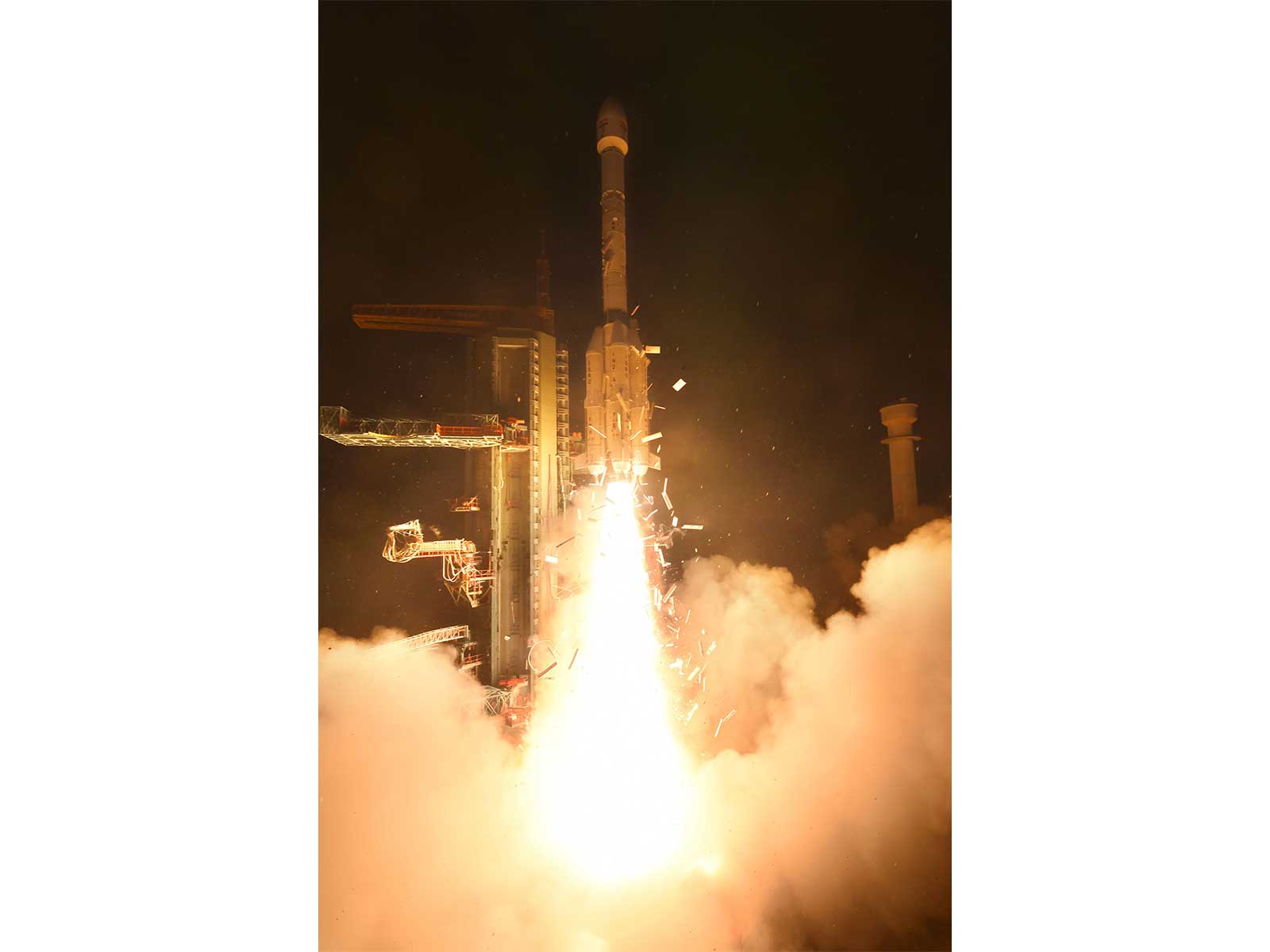
Global Space Investment set to cross USD 100 billion for first time
Oct 13, 2026
New York [US], October 13 : Global investment in the space economy is on track to cross USD 100 billion for the first time in 2026, after reaching USD 92.5 billion in the first nine months of the year and surpassing the full-year record set in 2025, according to a report by New York-based venture capital firm Space Capital that invests exclusively in the space economy.
The investment surge comes amid a shortage of rocket-launch capacity, rising government demand and efforts by countries to develop their own space capabilities rather than depend on existing providers.
"The easy button is going away," Space Capital said in its analysis of third-quarter investment, highlighting a shift in the commercial space industry as access to rocket launches becomes more difficult to secure.
For years, the commercial space economy relied heavily on SpaceX's Falcon 9 rockets to carry satellites into orbit. However, Space Capital said this dependence was being challenged by the growing shortage of launch capacity.
"That assumption expired in Q3, and capital moved faster than policy to replace it," the report said, referring to the long-standing expectation that SpaceX's Falcon 9 would be available whenever companies needed a launch.
SpaceX stopped accepting rideshare reservations beyond late 2028, according to the report. Rideshare launches allow multiple customers to send satellites into space on the same rocket, helping them share launch costs.
The shortage has encouraged investors to support competing launch companies. Pure Launch raised USD 7.8 billion in 2026, while Stoke Space secured a USD 1 billion Series E funding round to accelerate the development of its Nova rocket.
Blue Origin also raised external capital for the first time in 26 years. The company told CNBC that the funding round was oversubscribed, meaning investor demand exceeded the amount of funding available.
New launch providers also made progress across different regions during the quarter. China recovered a Long March 10B rocket booster at sea and landed its Zhuque-3 rocket, while India's Skyroot flew the country's first private rocket to orbit. Isar Aerospace became the first commercial rocket company to reach orbit from Western European soil, the report said.
The report also highlighted that Europe emerged as another major destination for space investment, attracting USD 6.3 billion in the third quarter. This marked a record for the second consecutive quarter and accounted for 28 per cent of global investment, its highest share since 2019.
Europe's investment total reached USD 13.5 billion in the first nine months of 2026, already exceeding every previous full-year total.
The report highlighted the growing role of governments in driving demand for space technology, saying, "Governments with urgent requirements are now the anchor customer, and countries that spent a decade renting access to orbit are paying to own it."
Space Capital said the developments showed that access to orbit was becoming a strategic advantage and that the industry was moving beyond dependence on a single launch provider.