Gold likely to stay range-bound around $4,100/oz in H2 2026, but upside to $4,500-$5,000/oz if risks intensify: WGC
Jul 04, 2026
New Delhi [India], July 4 : Gold prices are expected to remain range-bound in the second half of 2026, but retain clear upside potential if economic or geopolitical risks worsen, according to the World Gold Council's Gold Mid-Year Outlook 2026.
The report, published in July 2026, said that under current macro conditions, gold may trade +-5 per cent around US $4,100/oz during the second half (H2) of 2026. However, the Council's scenario analysis suggests gold could resume its upward trend toward US $4,500/oz, and only a strong, clear signal may push it sustainably toward US $5,000/oz.
According to the World Gold Council, three catalysts could drive the next leg higher: worsening economic or geopolitical conditions, a reversal in interest-rate expectations, and increased participation from long-term investors. The report noted that financial market volatility and geopolitical risk have historically supported gold, with a 100-point monthly increase in the GPR index historically pushing prices up by 2.5 per cent. A shift back to more dovish Fed expectations would also likely benefit gold.
On the macro backdrop, the global economy is forecast to grow 2.9 per cent year-on-year in 2026, with the US at 2.1 per cent. US inflation is expected to peak near 3.9 per cent in Q2 before cooling, with global inflation averaging 4.3 per cent for the year. Persistently higher inflation can benefit gold, as the metal tends to catch up and outperform when inflation proves sticky. The US dollar's path remains a key variable, with expectations for H2 varying widely.
Central banks have bought an average of 1,000 t per year since 2022, and the Council estimates that an additional 20t-30t increase in reserves above the long-term average of ~600t per year should translate into roughly a 1 per cent increase in the gold price. Long-term asset owners, including sovereign wealth funds, pension funds and insurers, are also increasing participation, with a pilot programme in China last year enabling top insurers to invest in gold.
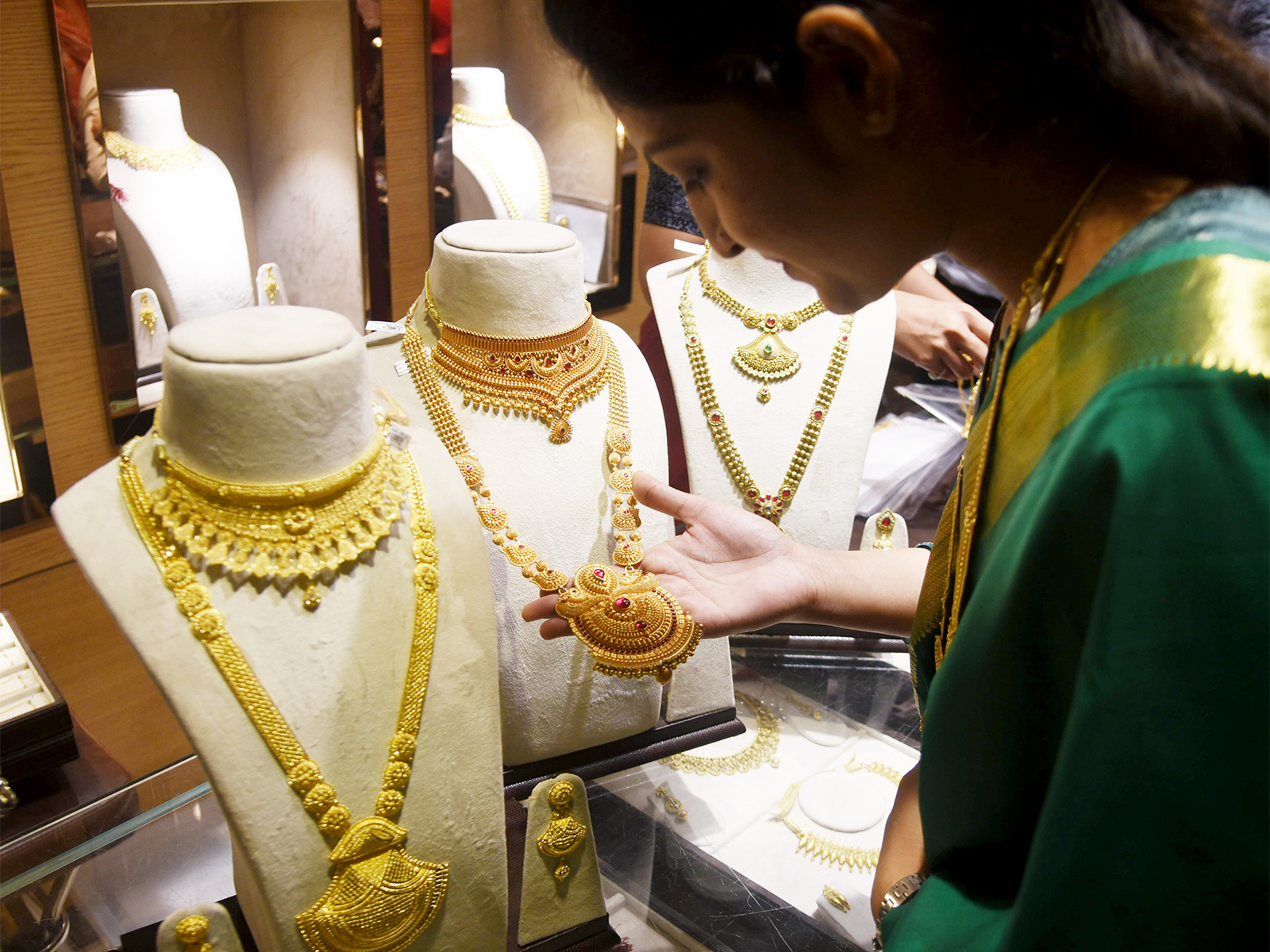
The report highlighted two key demand segments to watch: central banks and India. India is gold's second-largest market with a net demand of 800t per year. Since early April, the government raised import duty from 6 per cent to 15 per cent and issued consumer messaging to moderate imports amid pressure on the INR. The Council estimates the duty hike alone could reduce jewellery, bar and coin demand by 50t-60t, or about 10 per cent y/y.
Downside risks include US dollar strength, rates rising beyond expectations, and a risk-on sentiment. If gold declines 10 per cent-15 per cent from current levels, the Council said further downside would likely be limited as lower prices historically trigger buying.
The World Gold Council noted that gold's performance in the first half of 2026 underscored its sensitivity to macro conditions and geopolitics, while structural support from central banks and long-term investors may help limit downside and reinforce gold's role as a strategic asset.