Google's 'Project Suncatcher' takes flight as SpaceX launches Falcon 9 to test AI chips in orbit
Oct 01, 2026
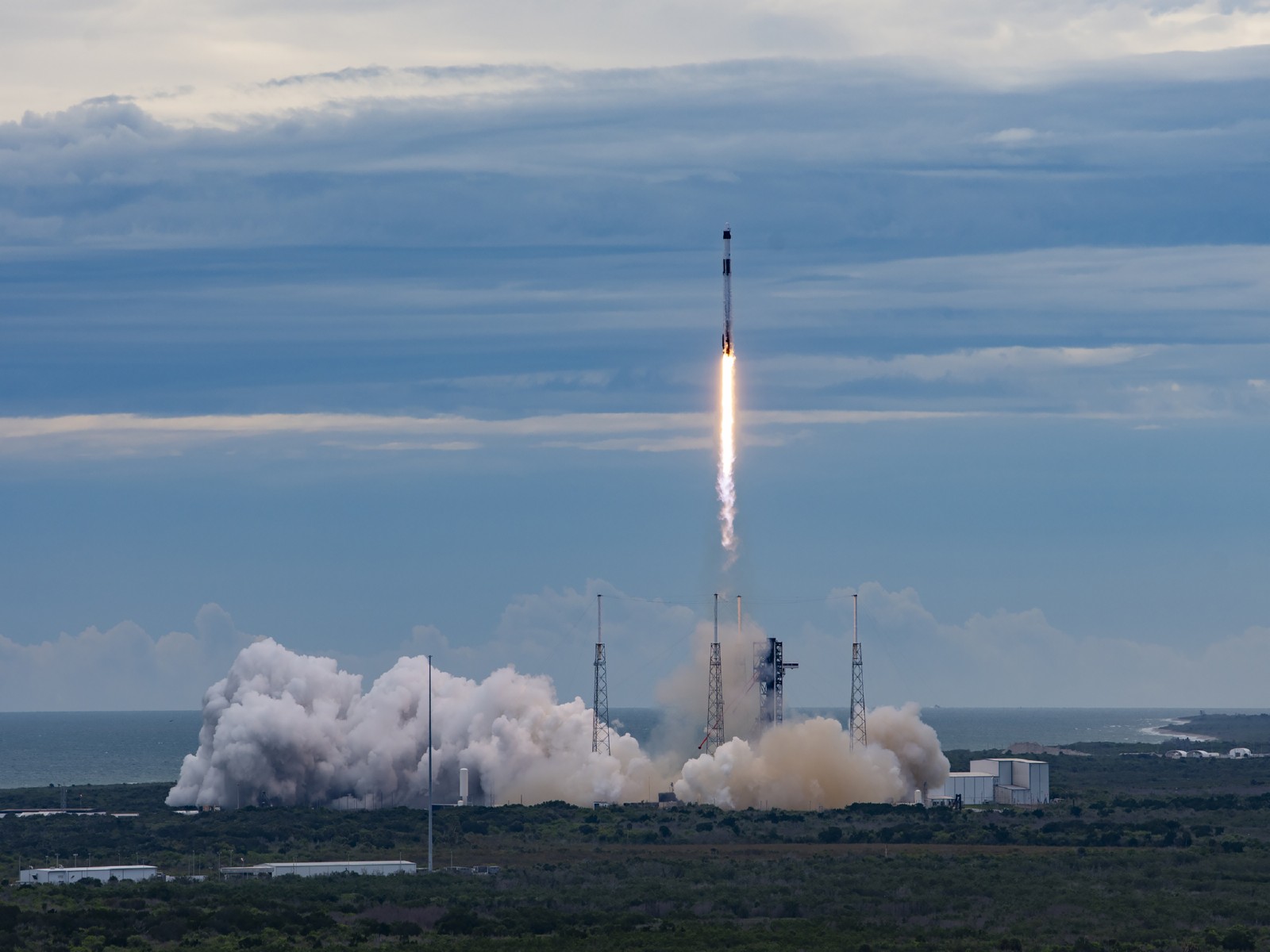
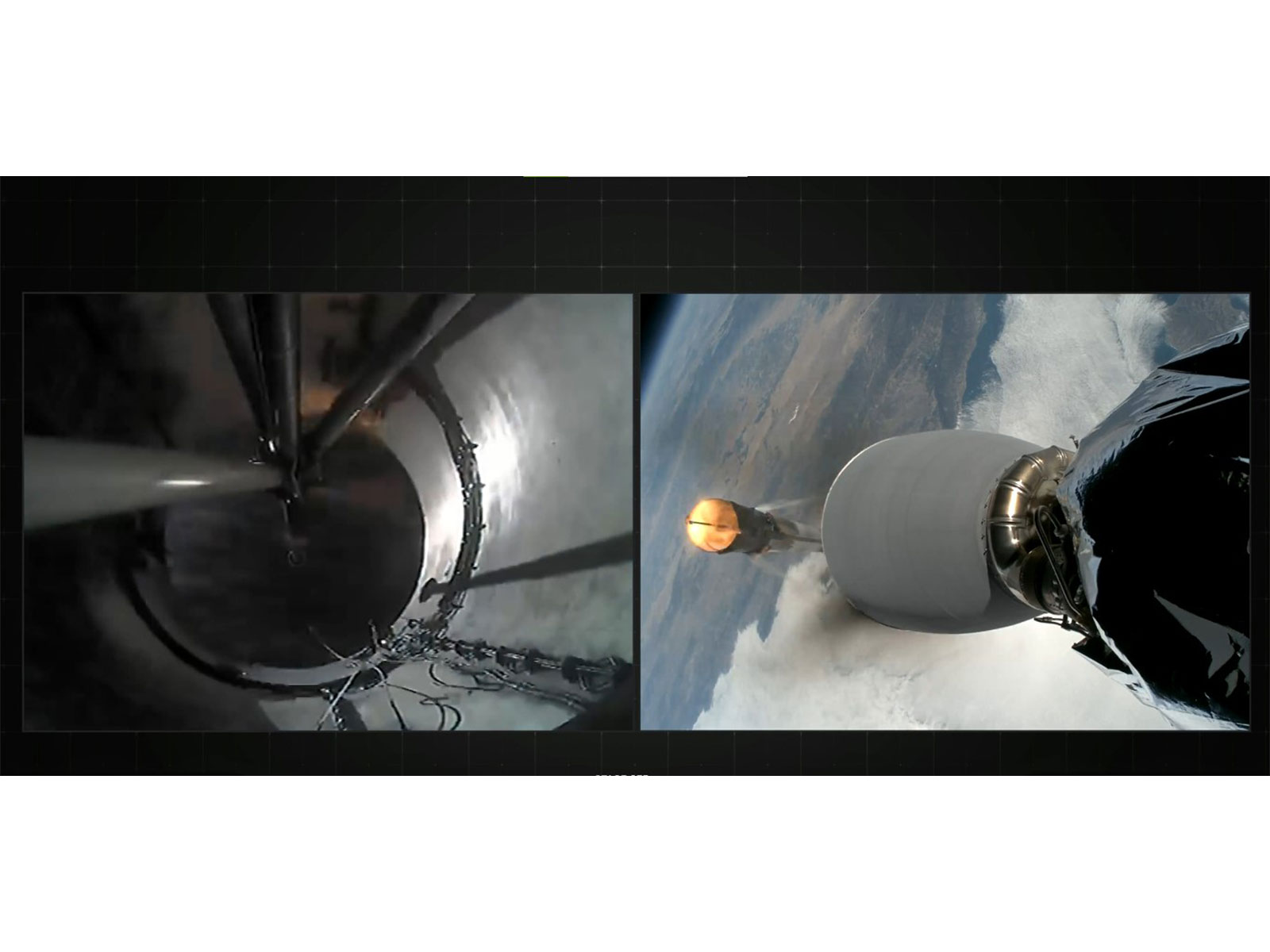
California [US], October 2 : Elon Musk headed SpaceX on Thursday (local time) successfully launched its Falcon 9 rocket carrying 130 payloads to low-Earth orbit as part of its dedicated smallsat rideshare mission, 'Transporter-18', from the Vandenberg Space Force Base in California.
Following stage separation, the Falcon 9 first-stage booster successfully touched down on Landing Zone 4 (LZ-4) at Vandenberg Space Force Base. This marked the 25th flight for this particular booster, which had previously supported critical missions including USSF-62, NROL-145, OneWeb Launch 20, and 21 Starlink missions.
According to SpaceX, the Transporter-18 rideshare mission deployed an assortment of commercial and government payloads, comprising cubesats, microsats, hosted payloads, two spacecraft equipped with reentry vehicles, and four orbital transfer vehicles tasked with deploying 41 payloads at later stages. 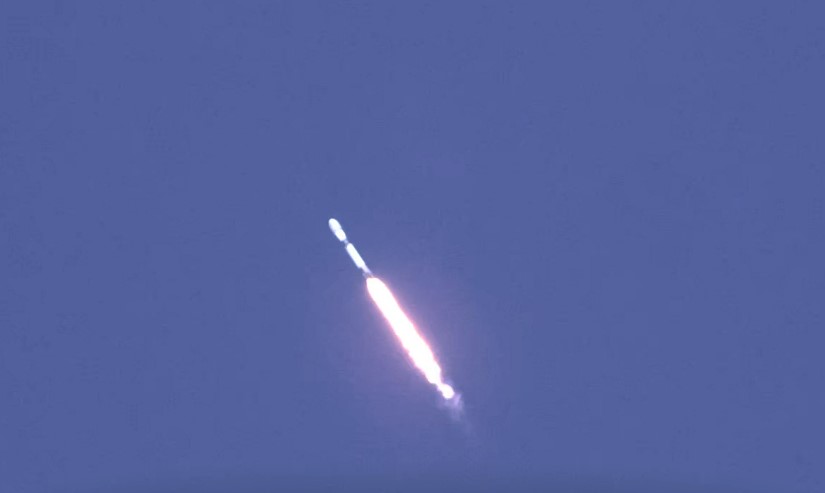
SpaceX has, to date, deployed over 1,800 payloads to orbit across our entire Rideshare program.
Among the diverse array of satellites onboard, the mission notably carried Google's 'Project Suncatcher' ---- a prototype satellite designed to evaluate how Google Tensor Processing Units (TPUs) perform in space to accelerate artificial intelligence and machine learning workloads.
Announcing the project, Google CEO Sundar Pichai, in a post on X on September 25, had said, "Can our TPUs survive and operate in space? Well, we're going to find out. Project Suncatcher is hitching a ride aboard @SpaceX's Transporter-18 mission, testing a prototype satellite built in partnership with @planet. One small step for TPUs..."
According to Google, Project Suncatcher is a long-term, research moonshot exploring whether space could one day host scalable machine learning infrastructure. In low Earth orbit, satellites can access near-constant sunlight, generating up to eight times more solar power than on Earth. Google says that eventually, it could be possible to link together multiple constellations of satellites, allowing them to manage larger AI workloads while in orbit.
"Big breakthroughs happen when you work backwards from an end goal. In our case, it's to ensure AI's profound benefits in key areas, from healthcare to scientific discovery, can reach everyone, far into the future," the Tech giant said in its blog.
Google says that exploring space as a viable location for scalable AI compute won’t happen all at once. It takes methodical engineering, starting with proving our hardware can handle the physical and unpredictable realities of operating in orbit. According to Google, this first launch is about seeing what works, identifying points of failure, and applying those findings to future missions.
"Every transformative technology we’ve built at Google began with an audacious goal — and the discipline of working backward to solve hard problems all along the way. As our latest moonshot heads to the launchpad, our team is excited to share what we learn and the science driving this work forward," Google said in its blog.