Government imposes stock limits on raw jute to curb hoarding, ensure supply to mills
Nov 28, 2026
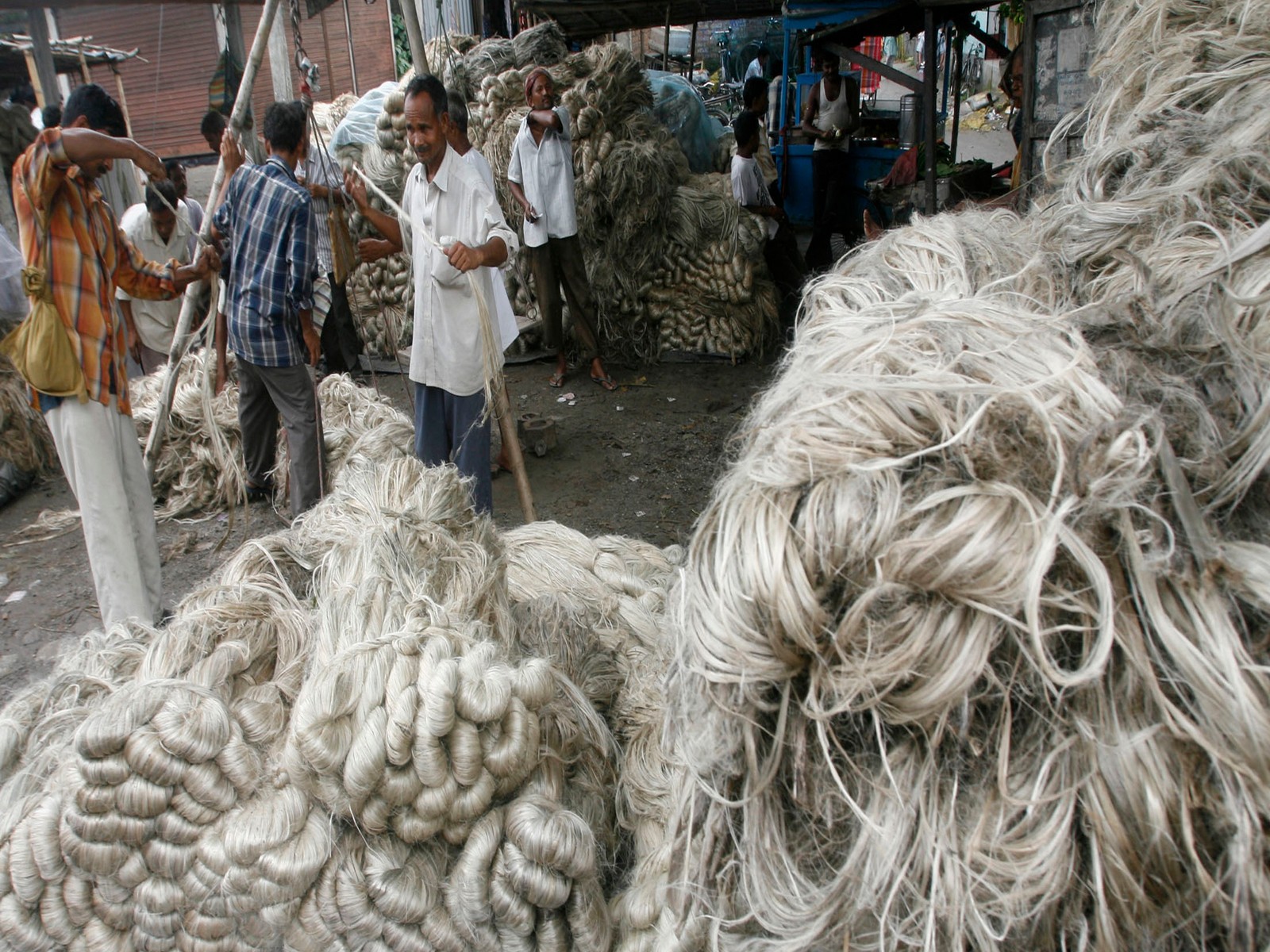
New Delhi [India], November 28 : The government has imposed stock limits on raw jute for balers, stockists, traders and jute mills to improve its availability, prevent market manipulation and safeguard the industry against potential disruptions in production and employment.
The Ministry of Textiles on Saturday said the Jute Commissioner issued an order dated November 27, 2026, prescribing maximum quantities of raw jute that entities can hold, either on their own account or on behalf of third parties.
"The imposition of stock limits has been necessitated for improving the availability of raw jute for the stakeholders," the ministry said in a release.
Under the order, eligible registered raw jute balers having baling presses on their premises will be permitted to hold a maximum of 1,000 quintals of raw jute at any given time, while other eligible registered stockists will be allowed to hold up to 100 quintals.
Unregistered stockists and balers who have not applied for registration, along with registered entities that have failed to submit stock returns through the Jute SMART portal, will be subject to a maximum stock limit of five quintals.
Jute mills and manufacturing units producing jute goods from raw jute will be permitted to maintain stocks equivalent to 90 days of consumption, based on their current production rates.
Entities holding quantities exceeding the prescribed limits have been directed to sell and physically deliver the surplus stock to buyers by December 10, 2026. Fresh purchases must also be suspended until their inventories fall within the prescribed limits.
The order requires entities to update their stock declarations every fortnight through the Jute SMART portal. Stocks held at a common premises will be counted together, irrespective of ownership, while quantities contracted for sale will remain part of the seller's inventory until physically delivered.
Authorised officials of the Jute Commissioner and state police will be empowered to inspect premises, examine records and seize stocks held in violation of the order.
The Centre will also seek assistance from state governments to enforce the restrictions. Violations could attract imprisonment, fines and confiscation under the applicable provisions of the Essential Commodities Act, 1955.
The ministry expressed concerns that price volatility and speculative increases in raw jute prices could adversely affect production and employment in the industry.
The measures are aimed at ensuring stable supplies while protecting the interests of farmers, manufacturers and consumers.
The latest intervention comes after the government had reduced raw jute stock limits for traders and balers to zero in April this year amid concerns over rising prices and availability. Those restrictions were subsequently withdrawn in July.