Greater public awareness of derivatives trading risks needed as retail investors continue to lose money: SEBI Chairman
Sep 17, 2026
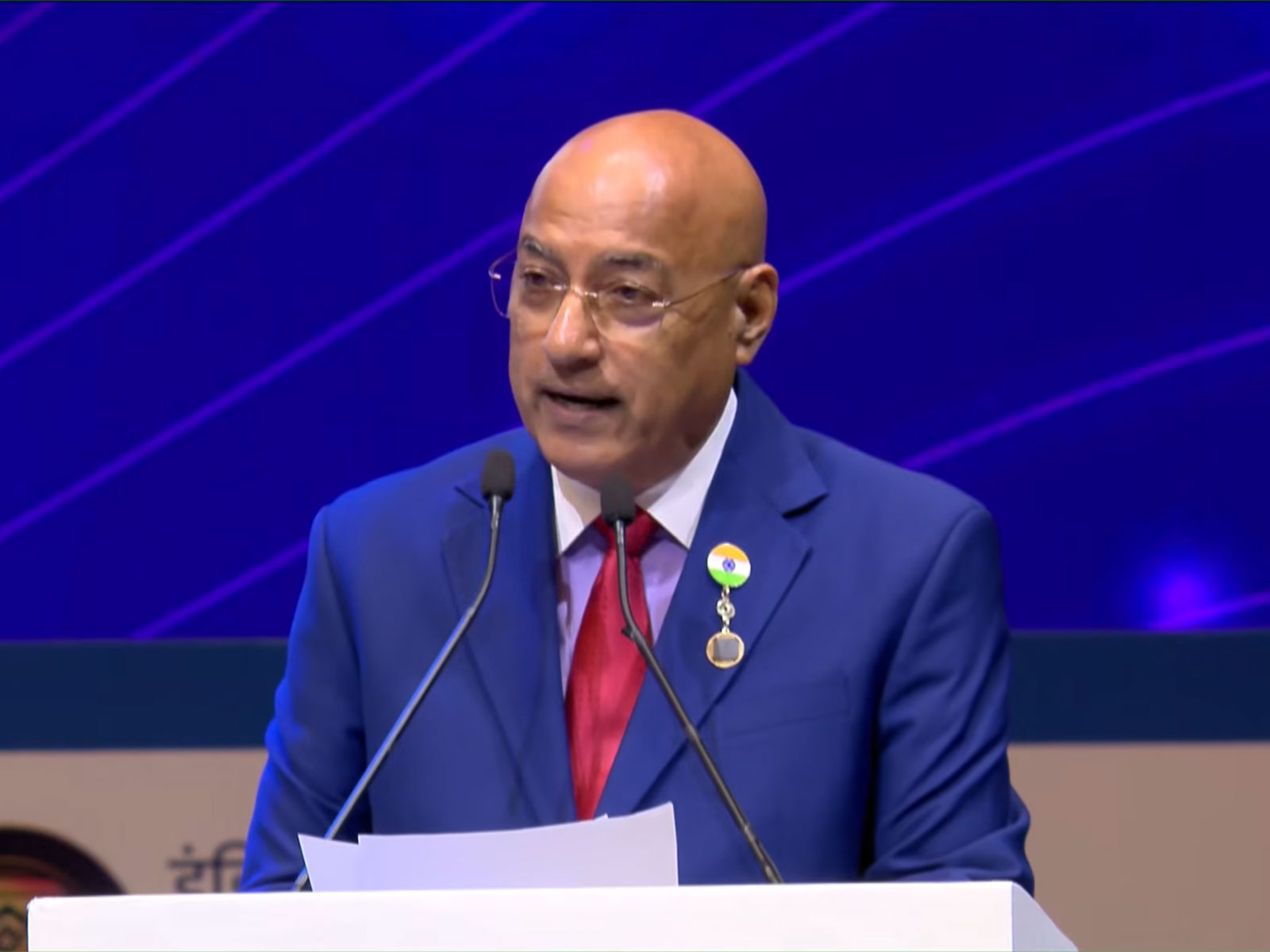
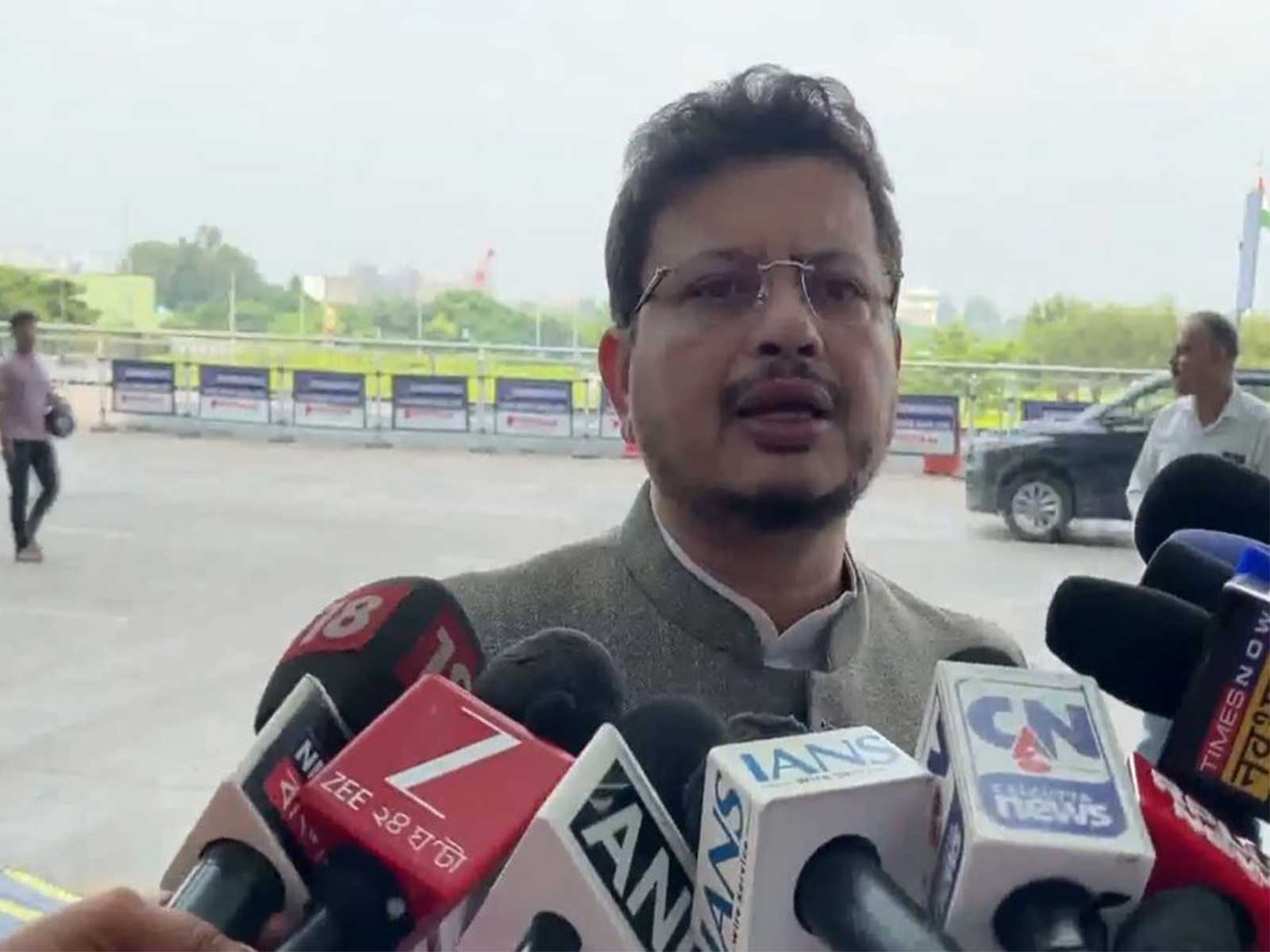
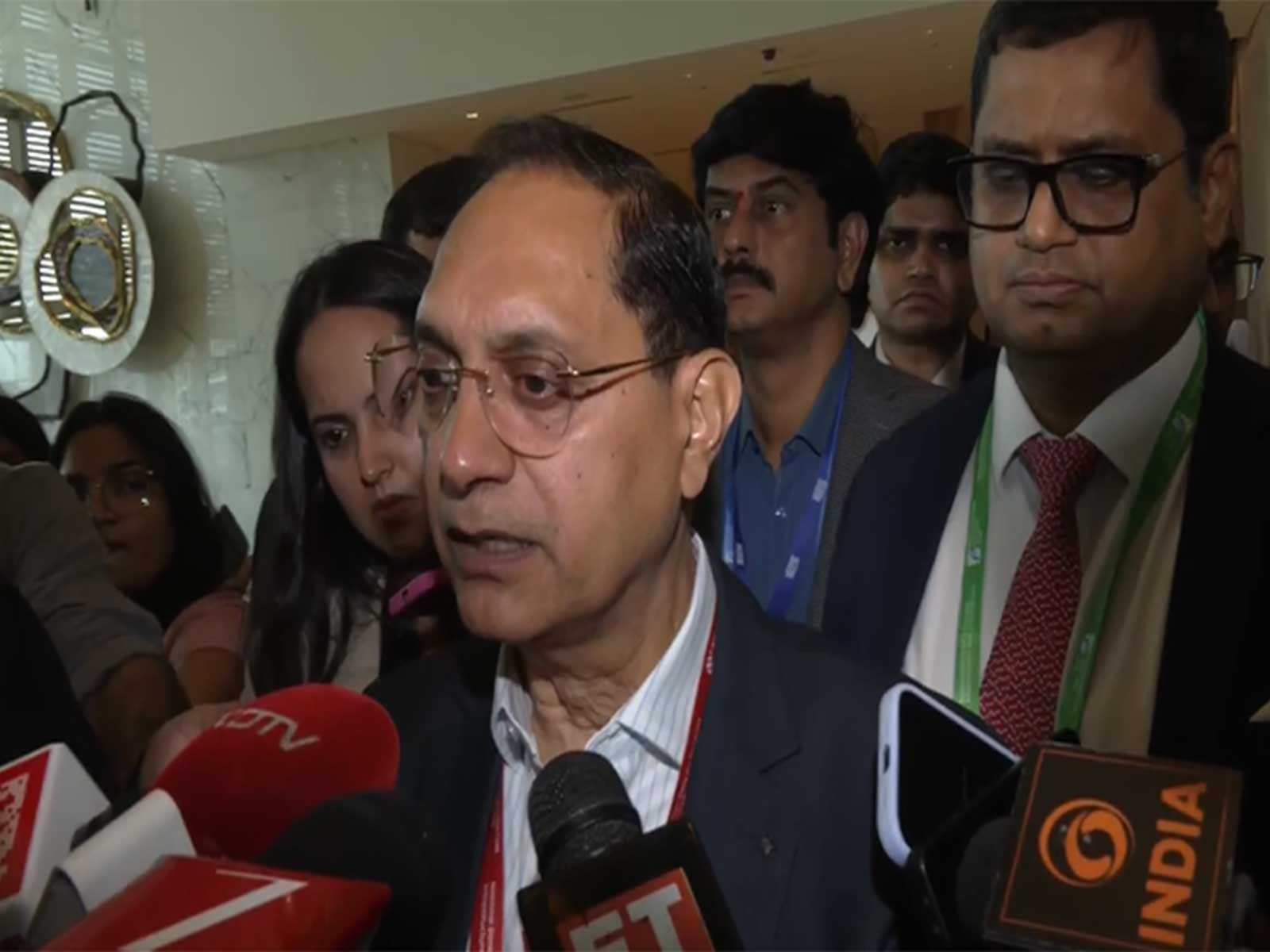
Mumbai (Maharashtra) [India], September 17 : Greater public awareness about the risks involved in derivatives trading is needed as many retail investors continue to suffer losses even after three to four years of trading in the futures and options (F&O) segment, SEBI Chairman Tuhin Kanta Pandey said on Thursday.
HighlightIing the need for investors to understand whether they are prepared to participate in the derivatives market, Pandey said continued losses among retail traders remain a matter of concern.
“Even after 3-4 years of trading, there are a lot of retailers in continued losses. So it is a matter of understanding the general media and the general public. If they are not ready for that market, then should they go for it or not? Because they are continuously getting losses,” Pandey said on the sidelines of the NaBFID Infrastructure Conclave 2026.
Pandey’s remarks underscored the need to improve awareness among retail investors about the risks associated with derivatives and enable them to make informed decisions before participating in the market.
Speaking on infrastructure financing, Pandey said SEBI is looking to allow more municipalities to raise funds through pooled financing structures to expand the municipal bond market, while pointing to stronger municipal governance and repayment capacity as key to attracting capital for urban infrastructure.
“We will be allowing many municipalities to come and have it on a pooled basis. So I think the momentum is to pick up,” Pandey said.
He said some municipalities raising money from the market could encourage others to follow, while the government is also providing incentives to municipalities that raise funds through municipal financing.
Pandey said SEBI was also looking at “more pooled vehicle financing”, while regulations and an escrow mechanism are already in place. He said municipal governance and the ability of local bodies to repay would remain important for expanding the market.
In his address, Pandey said urban infrastructure such as water supply, sewage, waste management, urban transport and roads would require significant investment, and municipal bonds could connect these requirements with capital markets.
As of end-FY26, 22 urban local bodies had raised more than Rs 4,500 crore through 31 municipal bond issuances. Pandey said strengthening creditworthiness, governance, disclosures and predictable project cash flows would be essential for the next phase of growth.
The SEBI Chairman also outlined a broader role for securities markets in infrastructure financing, saying capital needs to move across the full life cycle of an asset — from risk capital and debt during construction to specialised capital and eventual monetisation.
“The infrastructure story is not only about how much capital India can mobilize, it is also about how efficiently that capital can move through the infrastructure life cycle,” he said.
Pandey said capital raising through equity and debt had reached about Rs 7 lakh crore in the first five months of FY27, while companies had raised more than Rs 4.3 lakh crore through corporate bonds during the period. Outstanding corporate bonds stood at Rs 61 lakh crore at end-August 2026, up from about Rs 20 lakh crore in FY16.
He also highlighted the role of AIFs, REITs and InvITs in providing patient capital and recycling funds into new infrastructure. Category-I infrastructure AIFs had commitments of over Rs 20,000 crore at end-FY26, while REITs and InvITs had mobilised more than Rs 2 lakh crore over seven years.
Looking ahead, Pandey said SEBI would focus on widening participation in REITs and InvITs, deepening the corporate bond market, evolving the AIF framework and strengthening municipal finance.
“If we can do this well, the securities market becomes more than a financing channel,” he said.