GST rates to remain unchanged at Oct 8 Council meeting, procedural reforms on agenda
Oct 06, 2026
By Shailesh Yadav
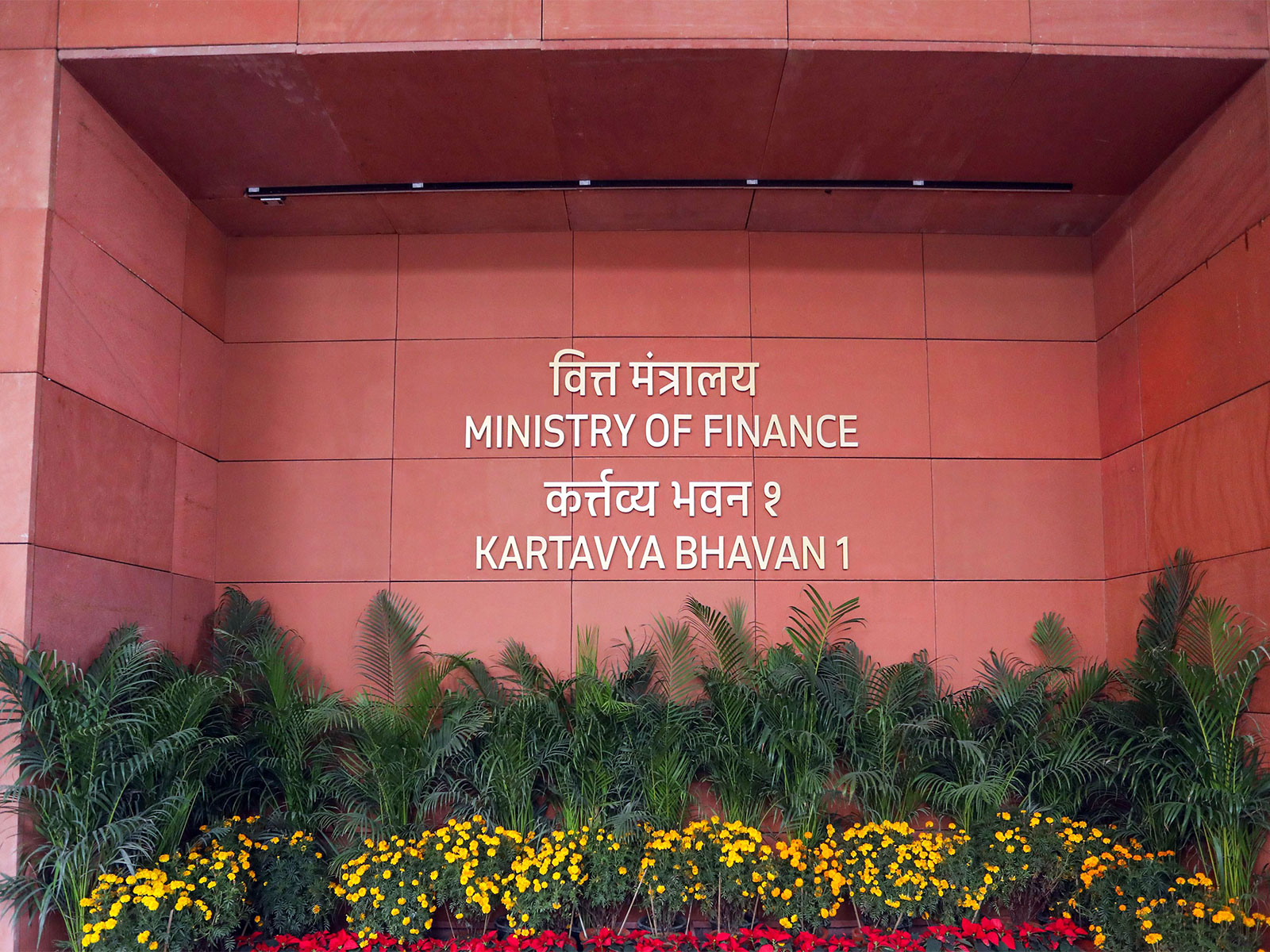
New Delhi [India], October 6 : GST rates are set to remain unchanged at the Council’s October 8 meeting, with the 57th GST Council instead expected to focus on a package of procedural and structural reforms covering registration, refunds, input tax credit and enforcement, Finance Ministry sources said.
The meeting is not expected to consider any broad rate changes, with only a limited set of rationalisation and clarification issues on the agenda, the sources said.
Under the proposals, future GST rate changes could be considered once a year and take effect from April 1, bringing greater predictability to the tax regime.
Officials pointed to the performance of the two-rate GST structure over the past year as supporting rate stability. Between October and July, taxable supplies rose 25.8 per cent year-on-year, while gross tax liability increased 13.6 per cent. The effective tax rate on domestic taxable supplies declined to 13.13 per cent from 14.55 per cent.
The Council will also consider changes to input tax credit rules. Under the proposal, a buyer who holds a valid invoice, has received the goods and paid the supplier in full, including tax, would be allowed to retain input tax credit irrespective of defaults by suppliers further up the chain.
The proposals also seek to bring some business expenses currently outside the credit chain within its ambit and prevent double taxation where a service is resold in the same line of business.
On refunds, sources said claims currently take an average of about 25 days to process. The proposed framework would provide for acknowledgement within 10 days, with 90 per cent of eligible refunds released after a risk check. Information would be drawn automatically from customs and banking systems.
Refund eligibility is also proposed to be widened to cover tax paid on services and plant and machinery.
The Council will consider further automation of GST registration and amendments. About 61 per cent of registrations are already approved within three working days without officer intervention, while around 66 per cent of amendment applications are proposed to be processed automatically.
Registrations suspended over procedural lapses could also be restored automatically once the lapse is corrected, while the process for cancellation of registration on closure of a business is proposed to be simplified.
The Council is also expected to consider measures aimed at easing GST rules for exporters. Billing a foreign client through an overseas branch would not lead to loss of export status under the proposal.
Testing, repair, certification and research services provided to foreign clients could also qualify as exports even where the goods remain in India. Payment-realisation requirements would be aligned with Reserve Bank of India norms.
For e-commerce sellers, the proposals seek to allow small businesses to complete verification in their home state and subsequently sell across the country. Officials said nearly nine out of 10 sellers on digital platforms are small businesses.
Tax treatment of transactions would also be linked to the underlying service rather than the contractual structure adopted by an online platform, according to the proposals.
The reform package also proposes changes to GST enforcement, including moving a number of offences outside the criminal provisions of the law.
Cases involving delays, inadvertent errors or payment shortfalls could instead be dealt with through tax recovery, interest and proportionate penalties. Officials described the proposed approach as enforcement that “works through money rather than through custody.”
The proposals have been prepared through the Law Committee and Fitment Committee following consultations with states. Changes approved by the Council are expected to be implemented in phases through 2027.