Guaranteed returns ranging from 50% to 106% over production cost: PM Modi's 'Farmer Welfare' pledge further strengthened, says Shivraj Singh Chouhan
Sep 30, 2026
New Delhi [India], September 30 : Under the leadership of Prime Minister Narendra Modi, the Central Government, in a Cabinet meeting on Wednesday, approved a major hike in the Minimum Support Price (MSP) for all six mandatory Rabi crops for the 2027-28 marketing season to ensure the economic empowerment and continuous income growth of millions of farmers across the country.
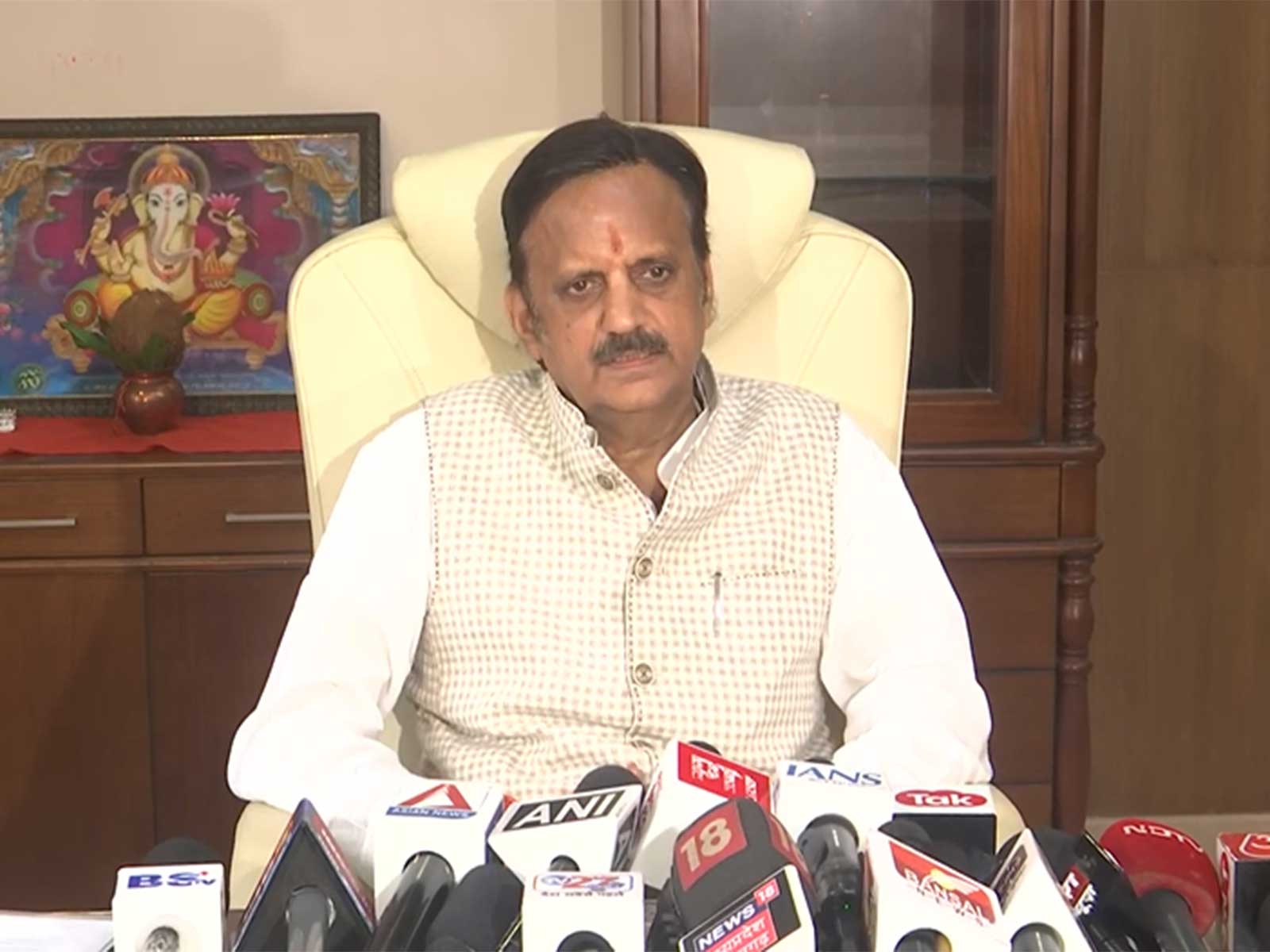
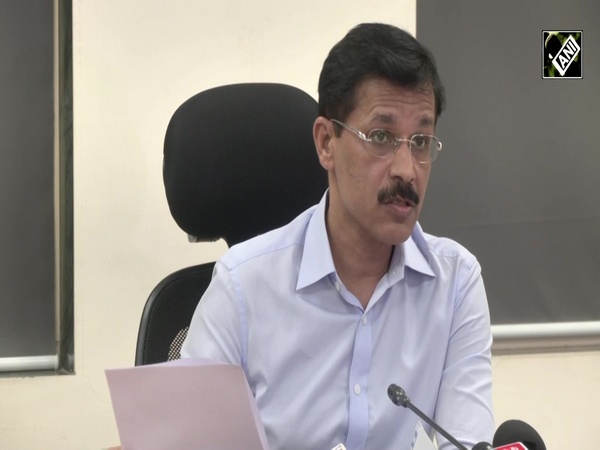
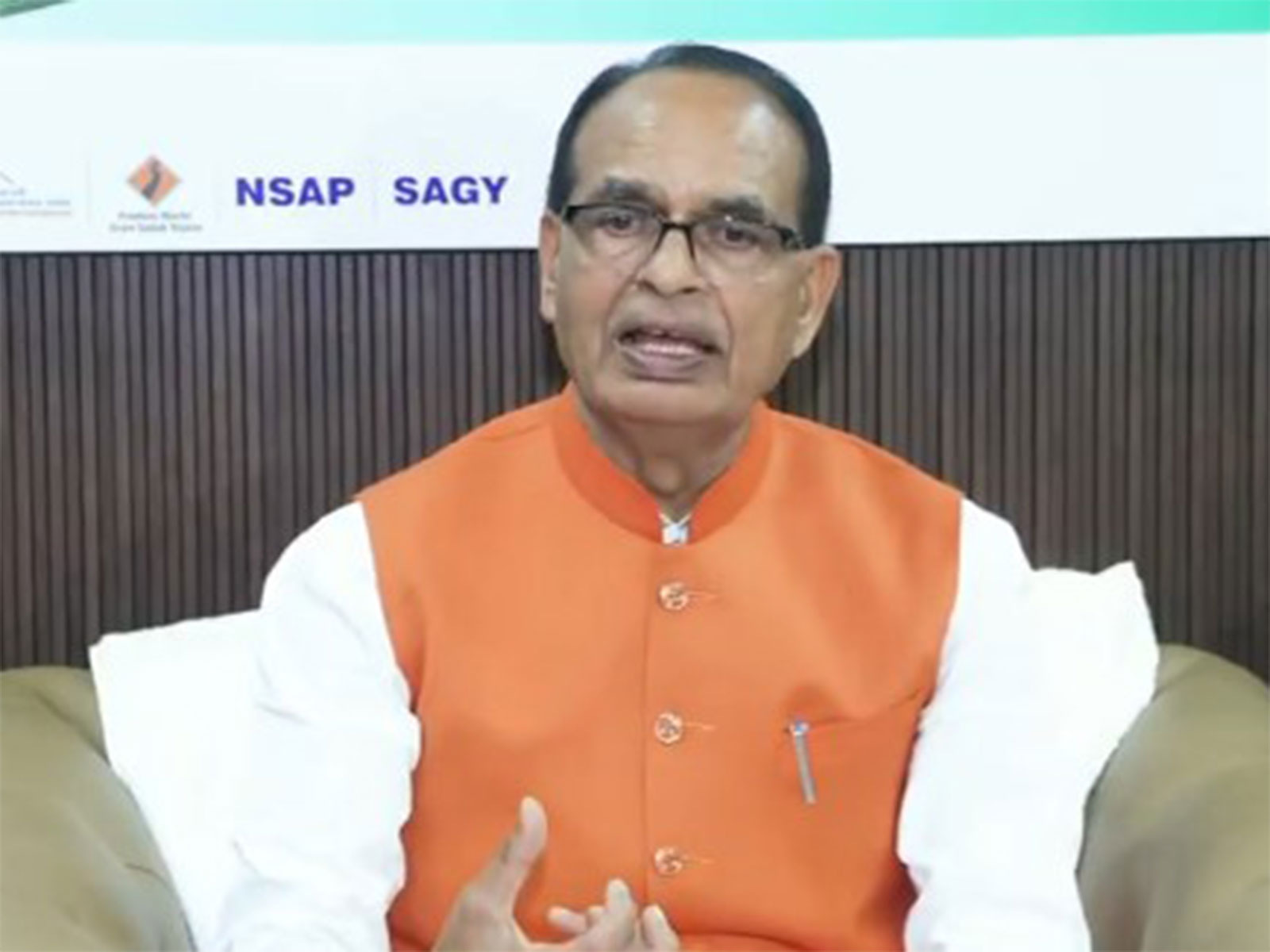
According to a press release, Union Minister for Agriculture and Farmers Welfare and Rural Development Shivraj Singh Chouhan termed it a historic and revolutionary decision taken in the interest of the country's farmers while addressing a press conference.
Chouhan stated that through Prime Minister Modi's farmer-centric policies, research by scientists, and the relentless hard work of farmers, India is rapidly progressing toward complete self-reliance along with food and nutritional security. He remarked that there was a time when the nation relied on imported wheat (PL-480), but today the country's granaries are overflowing. Chouhan highlighted that 46 per cent of the country's population depends on agriculture for their livelihood and 86 per cent of farmers are small and marginal; therefore, the government's primary goal is not only to increase production but also to ensure that farmers receive full and remunerative prices for their hard work.
He stated that under the leadership of Prime Minister Narendra Modi, the government maintains a clear policy mandate ensuring farmers receive a minimum profit margin of 50 per cent or more over their average cost of production (A2+FL). Accordingly, the declared MSP for the 2027-28 Rabi marketing season guarantees margins ranging from 50 per cent to 106 per cent over the all-India weighted average cost of production. Among these, the highest margins guaranteed to farmers are on wheat at 106 per cent, rapeseed and mustard at 96 per cent, and lentil (masoor) at 92 per cent, directly boosting the net income of farmers.
As per the Cabinet decision, the revised MSP rates and hikes for all six Rabi crops have been fixed. Safflower (Kusum) has the highest increase of ₹675 per quintal; new MSP fixed at ₹7,215 per quintal. Rapeseed & Mustard have a hike of ₹413 per quintal; new MSP fixed at ₹6,613 per quintal. Lentil (Masoor) has a hike of ₹390 per quintal; new MSP fixed at ₹7,390 per quintal. Barley (Jau) has a hike of ₹136 per quintal; new MSP fixed at ₹2,286 per quintal.
Gram (Chana) has a hike of ₹83 per quintal; new MSP fixed at ₹5,958 per quintal. Wheat has a hike of ₹25 per quintal; new MSP fixed at ₹2,610 per quintal.
Comparing the performance with the 10-year tenure of the Congress-led UPA government, Shivraj Singh Chouhan said that during the UPA rule (2004-05 to 2013-14), a total of ₹2.65 lakh crore was paid to farmers for MSP procurement of six major Rabi crops. In contrast, under the Modi government (2014-15 to 2025-26), this payout has tripled to reach ₹8.36 lakh crore. Similarly, the total volume of Rabi procurement has surged from 2,302 lakh metric tonnes (LMT) during the UPA period to a record 3,921 LMT under the Modi government.
Agriculture Minister Chouhan pointed out that while only 6 lakh metric tonnes of pulses were procured during the 10 years of the Congress rule, procurement under the Modi government has witnessed a 35-fold jump to reach a historic 2 crore 20 lakh metric tonnes. He noted that the country currently imports around 60 lakh metric tonnes of pulses and has to rely on nations like Canada. To eliminate foreign dependency and accelerate the 'National Pulses Mission', significant MSP hikes have been announced for lentil (₹390/quintal) and gram (₹83/quintal).
Shivraj Singh stated that to rapidly boost domestic pulses production, the Agriculture Ministry has crafted a special scheme to utilise 'Rice Fallow Areas' (fields left uncultivated post paddy harvest). Farmers are being encouraged to cultivate pulse crops in fields left empty after harvesting paddy. Under the Pulses Mission, the Modi government is providing such farmers with high-yielding seeds, technical guidance, and various financial assistance to quickly expand the acreage under pulses.
Chouhan explained that with the goal of reducing the edible oil import bill and achieving self-reliance in oilseeds, the support price for mustard and rapeseed has been raised by a strong ₹413 per quintal. Additionally, to promote safflower cultivation—a crop grown in unirrigated, less fertile, and notably tribal regions—the highest hike of ₹675 per quintal has been approved, ensuring remunerative returns for farmers in remote and marginal areas.
The Agriculture Minister underlined that while India was once self-reliant in barley, declining domestic production forced the country to import 1.13 lakh metric tonnes of barley in 2025-26. Since barley is a climate-resilient crop requiring very little water, its MSP has been increased by ₹136 per quintal to ₹2,286 per quintal to encourage farmers to expand its cultivation.
"Regarding the MSP for the six notified Rabi crops, wheat, barley, gram (chickpea), lentil, mustard/rapeseed, and safflower, the rates for the 2027-28 season have been announced. These MSPs have been set by providing a 106% margin over the A2+FL cost. For wheat, the MSP has been increased by approximately ₹25 per quintal, bringing it to ₹2,610 per quintal. However, looking at the other crops, the increase is ₹675 per quintal for safflower and ₹413 per quintal for mustard and rapeseed... Regarding gram and pulses, our imports stand at 6 million metric tonnes; we are striving to increase domestic pulse production. We have launched a new initiative targeting the fallow land that remains vacant after the paddy harvest, encouraging farmers to cultivate pulses there and providing them with various forms of assistance... Overall, the MSP has been increased by ensuring a return of at least 50 per cent over the cost of production. Specifically, the MSP for wheat has been raised by 6 per cent," he said.
He informed that following extensive deliberations with state officials and ministers, alongside regional conferences in the Southern, Central, and Northern zones, the Agriculture Ministry has formulated a 'State-Specific Rabi Plan'. For drought-prone states like Maharashtra and Karnataka, plans involving drought-resistant crops and special measures have been drawn up. Meanwhile, for states with sufficient water availability such as Madhya Pradesh, Bihar, Chhattisgarh, Jharkhand, and West Bengal, an intensive, production-focused Rabi strategy is being deployed.
Shivraj Singh Chouhan reaffirmed that under the leadership of Prime Minister Narendra Modi, every step taken by the Central Government remains dedicated to the welfare of farmers, improving their living standards, and transforming India into a global agricultural powerhouse.