Haryana power employees' "strike will end in just a few hours", says Anil Vij; Union leaders agree to meet
Oct 23, 2026
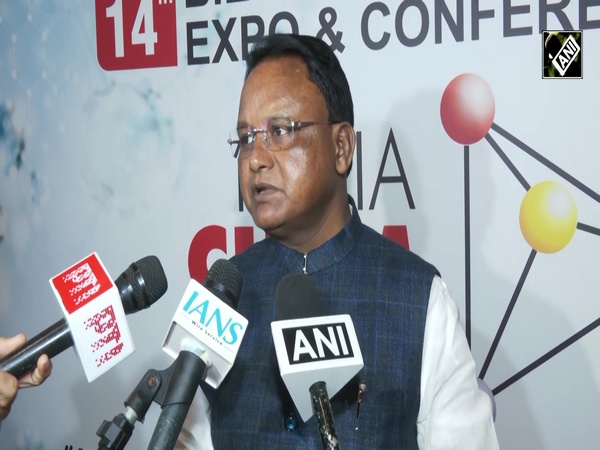
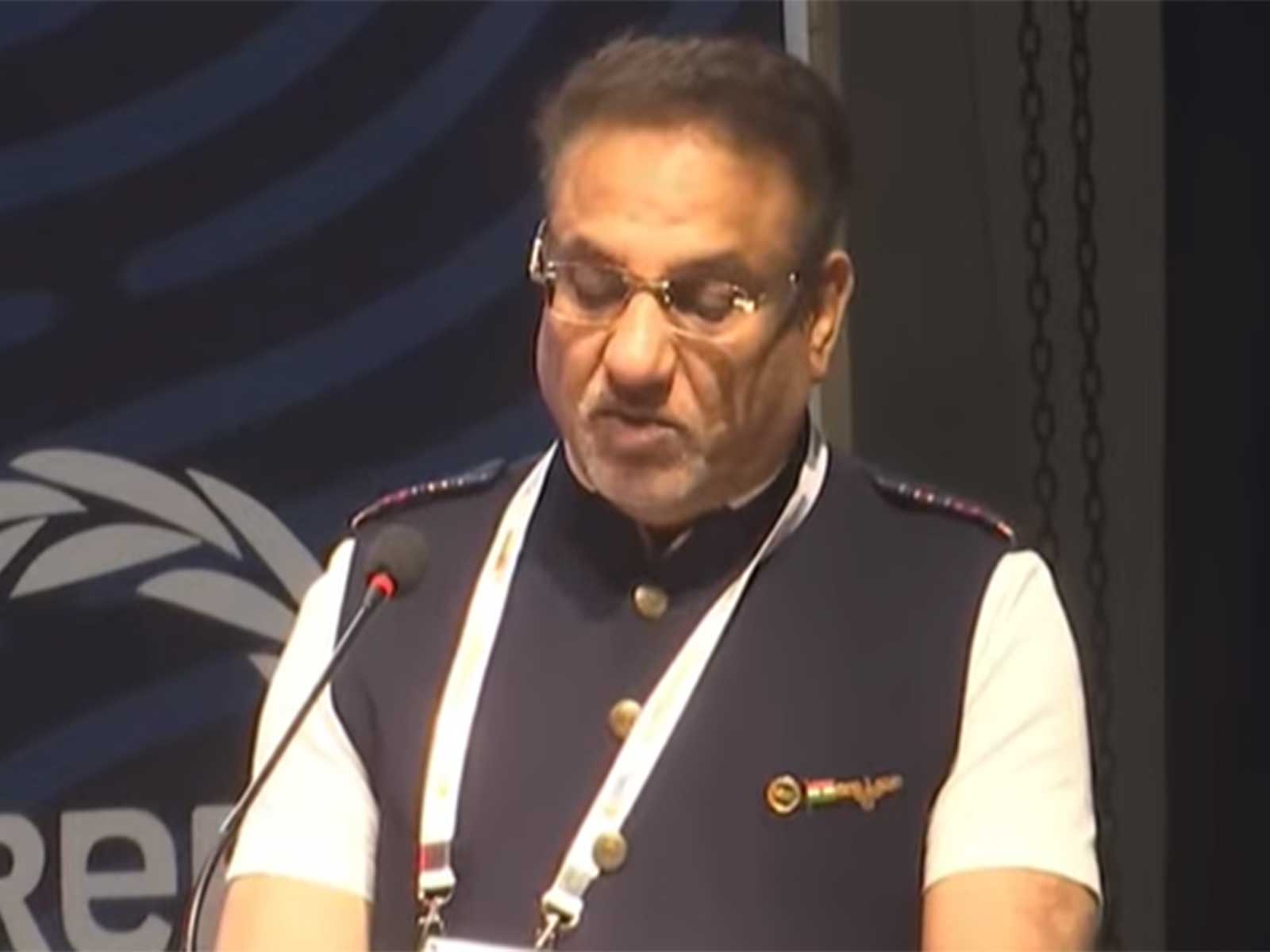
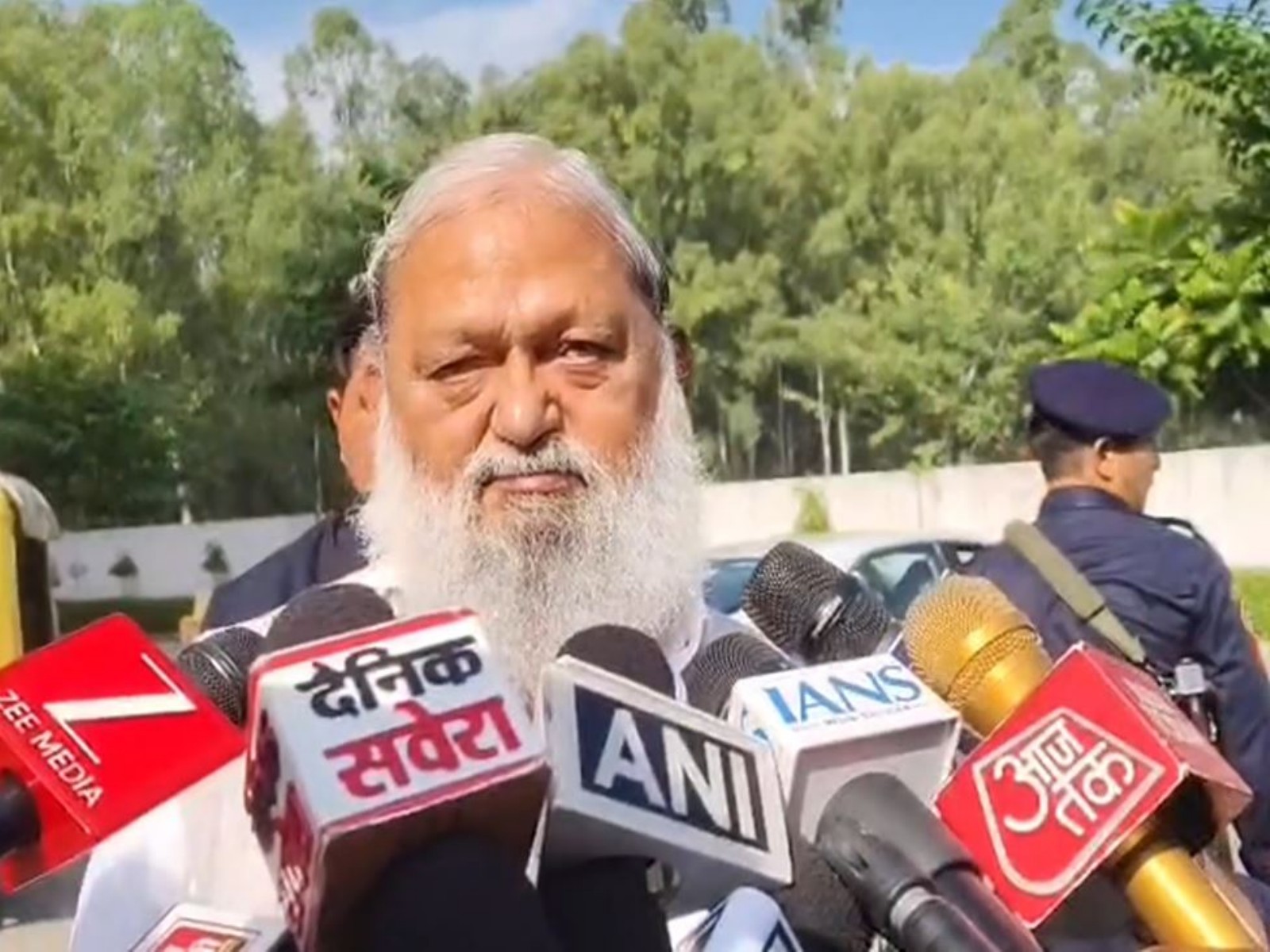
Panchkula (Haryana) [India], October 23 : Haryana Minister Anil Vij on Friday said the state government had nearly resolved the issue surrounding the ongoing power employees' strike, expressing confidence that the strike would end within a few hours after union leaders agreed to a meeting in Panchkula at 3 PM.
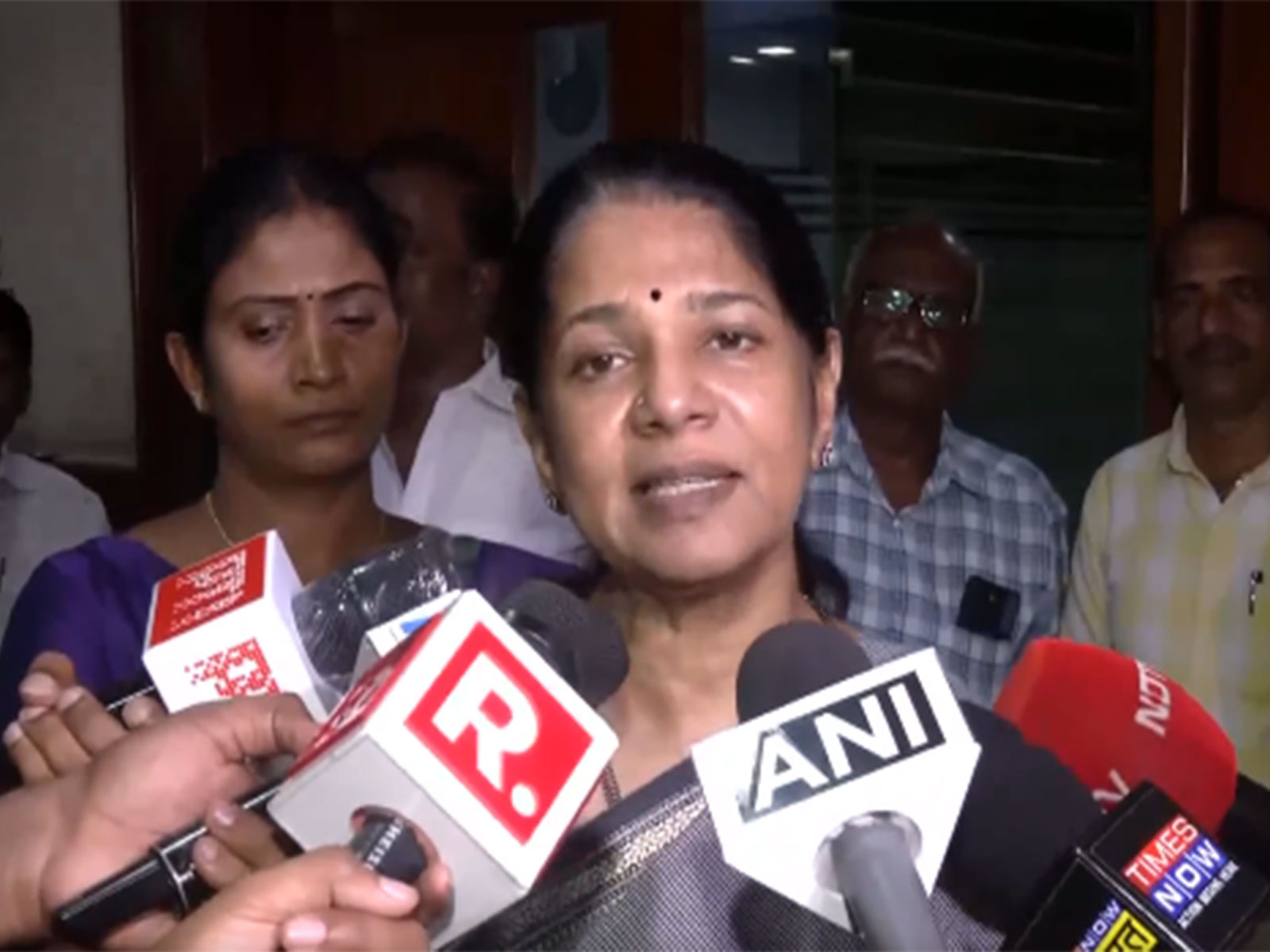
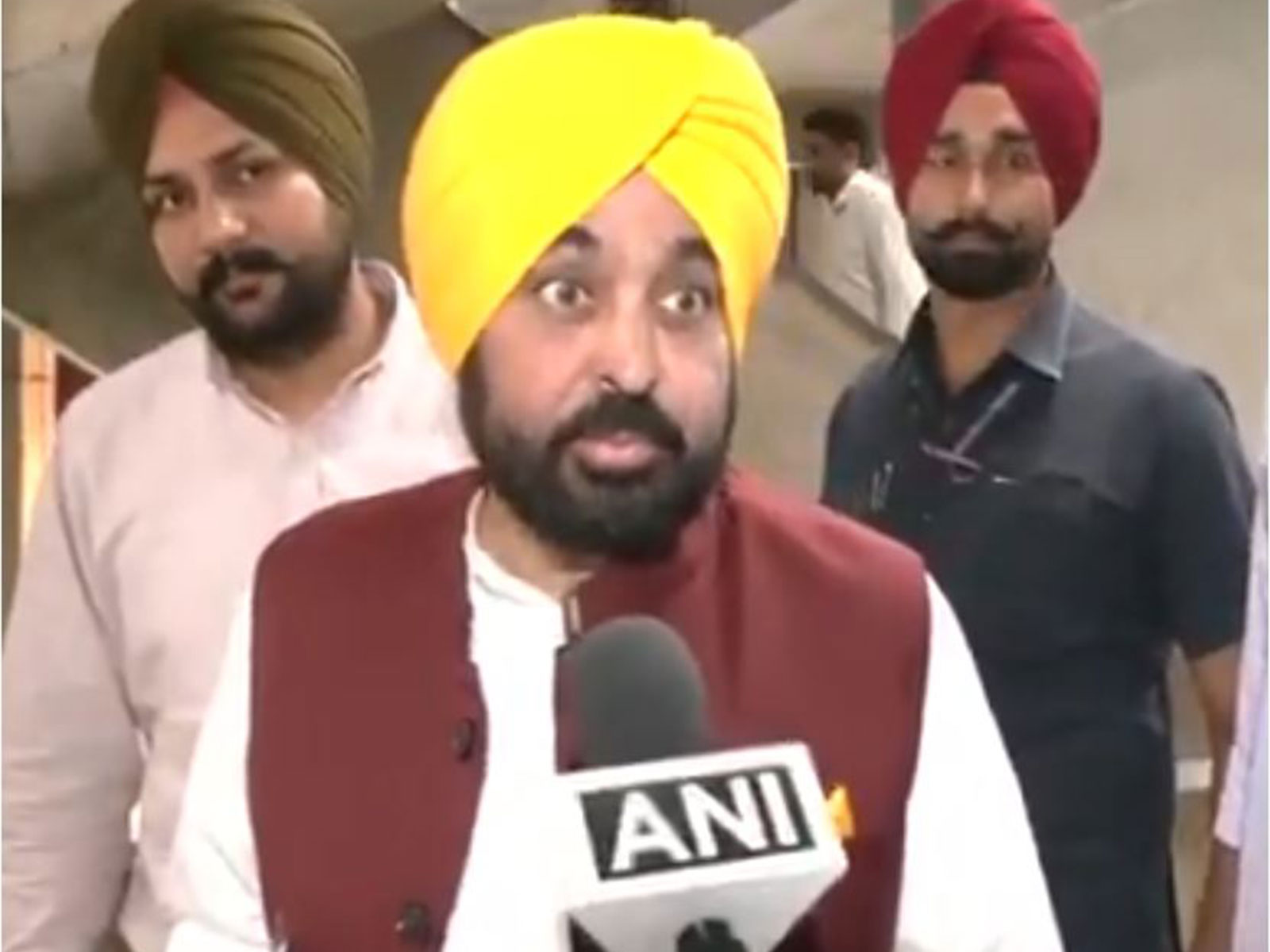
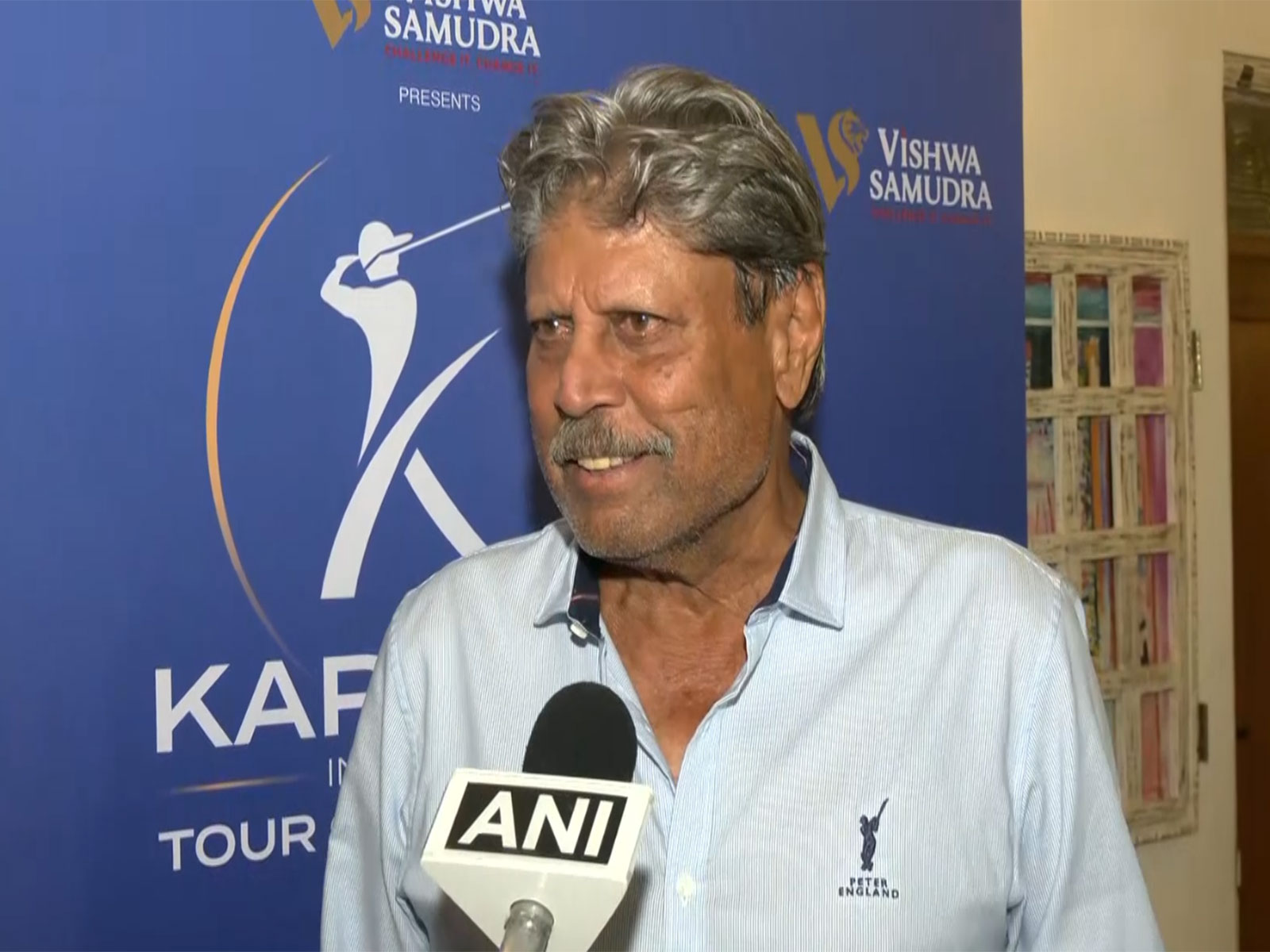
Speaking to ANI, Vij said he had held discussions with employee leaders and reiterated that dialogue, rather than a strike, was the appropriate way to resolve the dispute.
"I have nearly resolved the situation. I just spoke with the employee leaders as well, and I've been telling them since day one that a strike is not the way. Come, let's talk. If you suggest any other way, we'll adopt that too. Yesterday, they demanded that the government invoke Section 108 to dismiss this order, which we can do. I've also spoken with the Chief Minister, and this morning I tweeted that we will invoke Section 108. The union leaders have agreed, and they've consented to a meeting in Panchkula at 3 PM today. I'm confident that the strike will end in just a few hours," Vij said.
On Thursday, the first day of the three-day strike by electricity employees, Vij had described the protest as unwarranted and said the government was challenging the regulatory order permitting a private company to distribute electricity in parts of the state.
"This strike is unwarranted. The regulator has ordered that electricity be supplied to a private company. We strongly opposed the company's application before the Haryana regulator, but the decision went against us. I am against privatisation because we have invested heavily in infrastructure and the services of our employees are at stake... The central law allows any individual or company to apply for electricity supply. We are appealing against the regulator's order and trying to obtain a stay... I urge employee leaders to abandon the strike and instead help us prepare the case...," he said in Ambala.
Meanwhile, Haryana's electricity employees and engineers have been protesting against the entry of a private power distributor in Gurugram and Nuh, with the three-day statewide strike scheduled from October 22 to 24.
The dispute follows the Haryana Electricity Regulatory Commission's (HERC) decision to grant a 25-year parallel electricity distribution licence to Eleven Power Private Limited for Gurugram and Nuh districts.
The order, dated October 19, allows a second distribution licensee to operate alongside the existing distributor, giving more than 8.3 lakh consumers, including households, farmers, shops, offices and industrial units, the option to choose their electricity supplier as the new network reaches their areas.
The licence covers the Gurugram and Nuh revenue districts, including Gurugram City, Gurugram Sub-urban, Manesar, Sohna and Nuh. The network will be developed in phases over five years, with Nuh included in the first phase.
The new distribution network is planned to become operational for consumer supply from the financial year 2027-28. The project envisages a capital investment of Rs 4,717 crore between FY 2026-27 and FY 2030-31, under the regulatory oversight of HERC.
According to the proposal, the network will incorporate smart meters, digital billing, a distribution management system and infrastructure aimed at improving reliability and grievance redressal. The proposed power procurement mix includes 80 per cent electricity from renewable sources and 20 per cent from thermal sources.
The Commission's order marks the introduction of parallel electricity distribution in Haryana. Section 14 of the Electricity Act, 2003, permits more than one distribution licensee to operate in the same area.
Existing consumers will not be required to take any immediate action, and the current distribution licensee will continue supplying electricity across the region. Consumers will have the option to switch to the new distributor as its network reaches their areas.
The licensee is required to submit a detailed implementation plan for the first phase and a protocol for consumers opting to switch within 60 days.