HD Deve Gowda writes to PM Modi on Cauvery water crisis, seeks urgent intervention for Karnataka
Nov 16, 2026
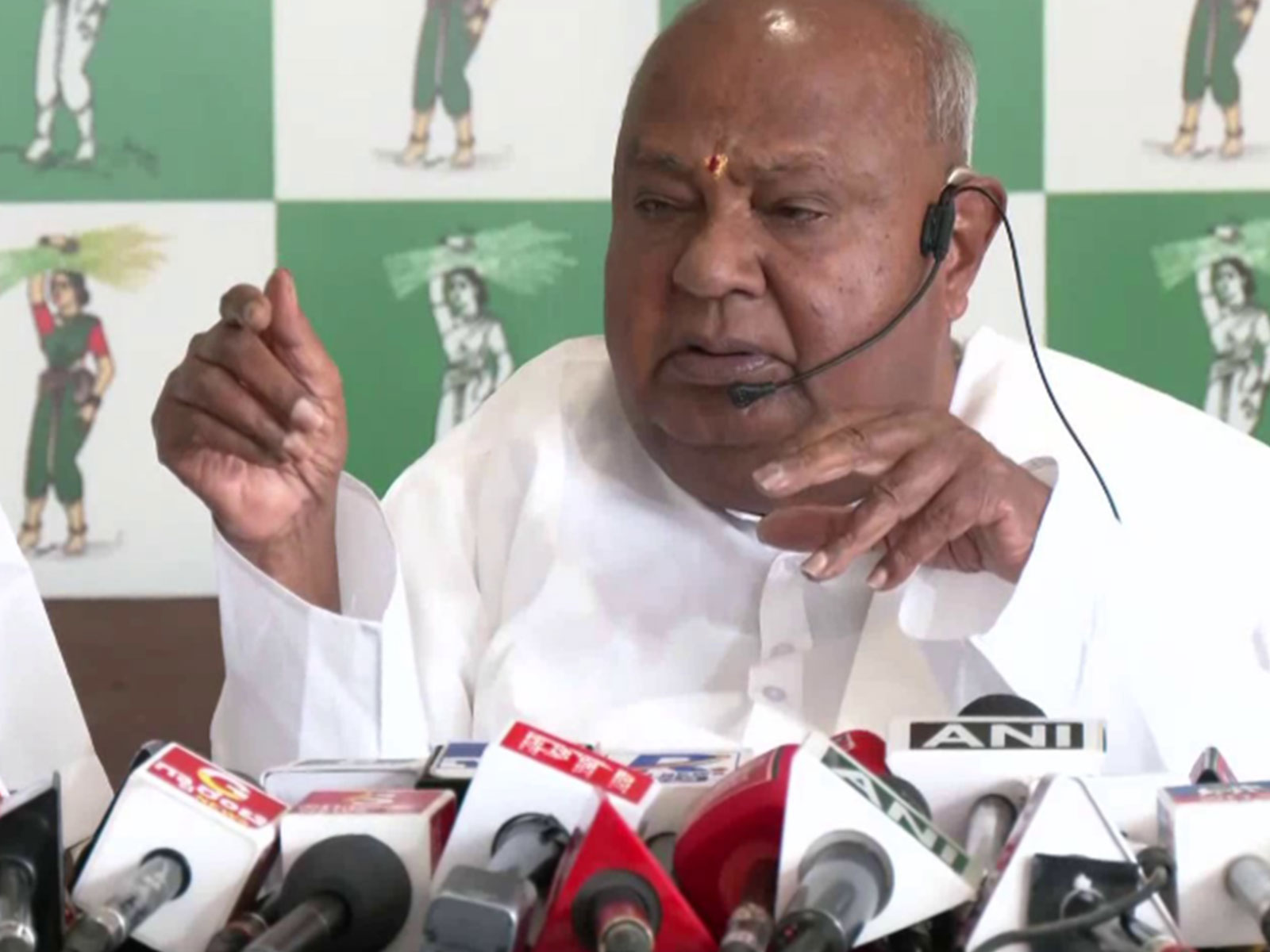
Bengaluru (Karnataka) [India], November 16 : Former Prime Minister H D Deve Gowda has written a detailed six-page letter to Prime Minister Narendra Modi, highlighting the water shortage in Karnataka's Cauvery basin and seeking urgent intervention from the Union Government to address the drinking water and irrigation crisis in the state.
In his letter dated November 2, Deve Gowda said the current year has been one of water scarcity for Karnataka, with the state receiving barely 60 per cent of its normal rainfall. He said a rainfall deficit of nearly 35 to 40 per cent had prevented reservoirs in Karnataka from filling even up to 50 to 55 per cent of their capacity, resulting in a severe shortage of water for both irrigation and drinking purposes.
https://x.com/H_D_Devegowda/status/2122253578517766392?s=19
He alleged that despite the poor storage levels in the reservoirs, the Cauvery Water Management Authority (CWMA) had repeatedly directed Karnataka to release water, yielding to the demands of Tamil Nadu.
He said Karnataka's repeated pleas before the CWMA to reserve the limited available water for meeting the drinking water requirements of Bengaluru and neighbouring areas during the coming summer months had been ignored.
"If directions of CWMA to release water are fully complied with, all our reservoirs will become dry and empty shortly. In such a situation, scarcity of drinking water would undoubtedly reach an alarming position," Gowda wrote.
He pointed out that Tamil Nadu required water for irrigation, while Karnataka sought to reserve it for drinking purposes, which, he said, receives the highest priority under the National Water Policy.
The former Prime Minister also contended that the CWMA had been vested with extensive powers, including the storage, apportionment, regulation and control of Cauvery waters, as well as supervision of the operation of reservoirs, which he claimed were ultra vires the Constitution.
He said both Karnataka and Kerala had objected to the draft scheme prepared by the Ministry of Water Resources, arguing that irrigation was exclusively a state subject under Entry 17 of List II of the Seventh Schedule of the Constitution.
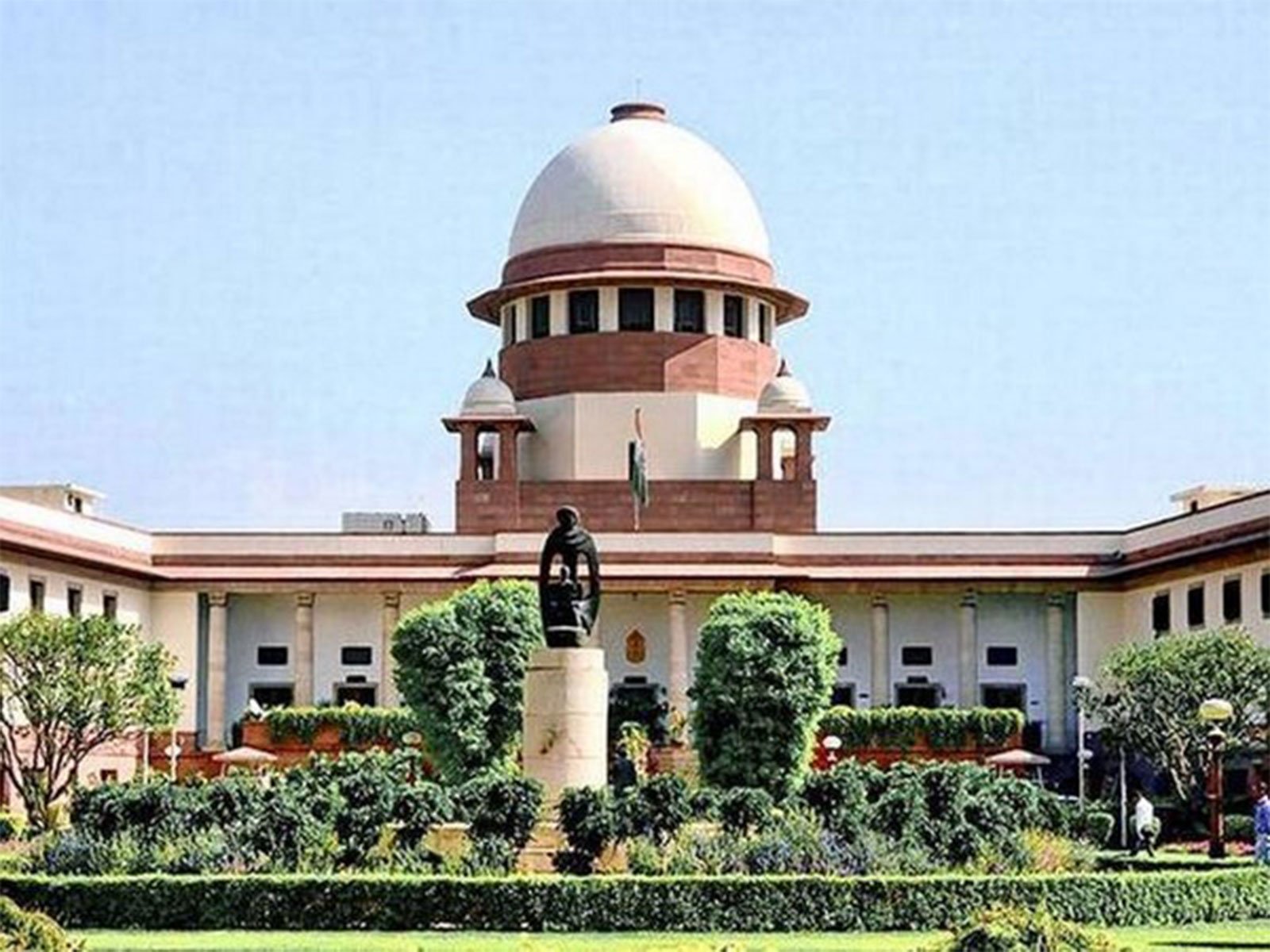
Although the Supreme Court cleared the draft scheme on May 18, 2018, the then Karnataka Chief Minister had written to the Union Water Resources Minister on June 18, 2018, explaining why the powers vested in the CWMA were unconstitutional. The letter stated that states would acquire exclusive rights to use waters after their respective shares had been determined by the Tribunal.
Deve Gowda said Karnataka's position had been vindicated by the Supreme Court's order dated November 13, 2025, in Miscellaneous Application No. 3127/2018 in Civil Appeal No. 2453 of 2007 (Karnataka vs Tamil Nadu), concerning the Mekedatu drinking water supply project.
The apex court had observed: "Karnataka has liberty to utilise water allotted to it in the manner it finds to be in its best interest. No other State has right to interfere in this regard unless the water allocated to it is reduced."
In view of this, he argued that the functions of the CWMA, as conferred under the Union Gazette notification dated June 1, 2018, needed to be thoroughly reconsidered and restricted to monitoring downstream water releases by Karnataka to Tamil Nadu in accordance with the Supreme Court's order dated February 16, 2018.
Deve Gowda further said the Cauvery Water Disputes Tribunal had failed to provide for a review clause in its award, unlike other tribunals. He described it as paradoxical that an award could remain unchanged for an indefinite period.
The Cauvery Tribunal was constituted on June 2, 1990, and delivered its final award on February 5, 2007, based on data that was more than 50 years old, he said. He added that global warming and climate change had also made monsoon patterns unpredictable.
Considering the changed circumstances, he said the time had come for a comprehensive review of the Tribunal's award and the subsequent Supreme Court orders dated February 16, 2018, and May 18, 2018.
He also referred to a complaint understood to have been filed by the Tamil Nadu Government on March 3, 2026, under Section 3 of the Inter-State River Water Disputes (ISWD) Act, seeking the constitution of a fresh tribunal over the Mekedatu issue. He requested that the proposed tribunal also be entrusted with reviewing the Cauvery Tribunal's award.
On the Mekedatu Drinking Water Supply Project (Balancing Reservoir), proposed to address Bengaluru's drinking water requirements, Gowda said the Detailed Project Report (DPR) was submitted to the Central Water Commission (CWC) in January 2019. It was returned with observations on June 29, 2026, and resubmitted on August 13, 2026.
Considering the severity of the drinking water crisis, he said the DPR needed to be cleared on priority.
Referring to the proposed Godavari-Krishna-Cauvery river-linking project planned by the National Water Development Agency (NWDA) to divert 147 TMC of Godavari water to the Cauvery, he said the allocation among the beneficiary states had been almost finalised.
The proposed allocation is 45 TMC for Telangana, 43.8 TMC for Andhra Pradesh, 40.9 TMC for Tamil Nadu, 15.9 TMC for Karnataka and 2.1 TMC for Puducherry, taking the total to 147.7 TMC.
Gowda said Karnataka had strongly urged the NWDA to increase its allocation, as its proposed share was considerably lower than that of the other states.
Highlighting the significant water deficit in Karnataka's Cauvery basin for both irrigation and drinking purposes, he requested the NWDA and the Ministry of Jal Shakti to increase the state's allocation based on the principles of equity and natural justice.
In his letter, Deve Gowda urged the Ministry of Jal Shakti, through the Prime Minister, to modify the powers and functions of the CWMA in accordance with the Supreme Court's order dated November 13, 2025; refer the review of the Cauvery Tribunal's award to a fresh tribunal; urgently clear the DPR of the Mekedatu Drinking Water Supply Project; and finalise the DPR of the Godavari-Krishna-Cauvery link project, along with the allocation of water among beneficiary states, after obtaining their consent at the earliest.
He also enclosed a copy of his speech delivered in Parliament on July 17, 1991, regarding the Tribunal's interim order.