"Heat, thirst and power cuts": Administrative failure leaves millions in Pakistan to suffer in environmental crisis
May 05, 2026
Islamabad [Pakistan], May 5 : Amidst a deteriorating environmental crisis, the National Disaster Management Authority (NDMA) has enforced extensive emergency measures as soaring temperatures exacerbate the plight of millions in Pakistan, Dawn reported.
The NDMA Early Warning Team, according to a press release issued on Monday, has projected that daytime temperatures throughout May and June will stay "above normal".
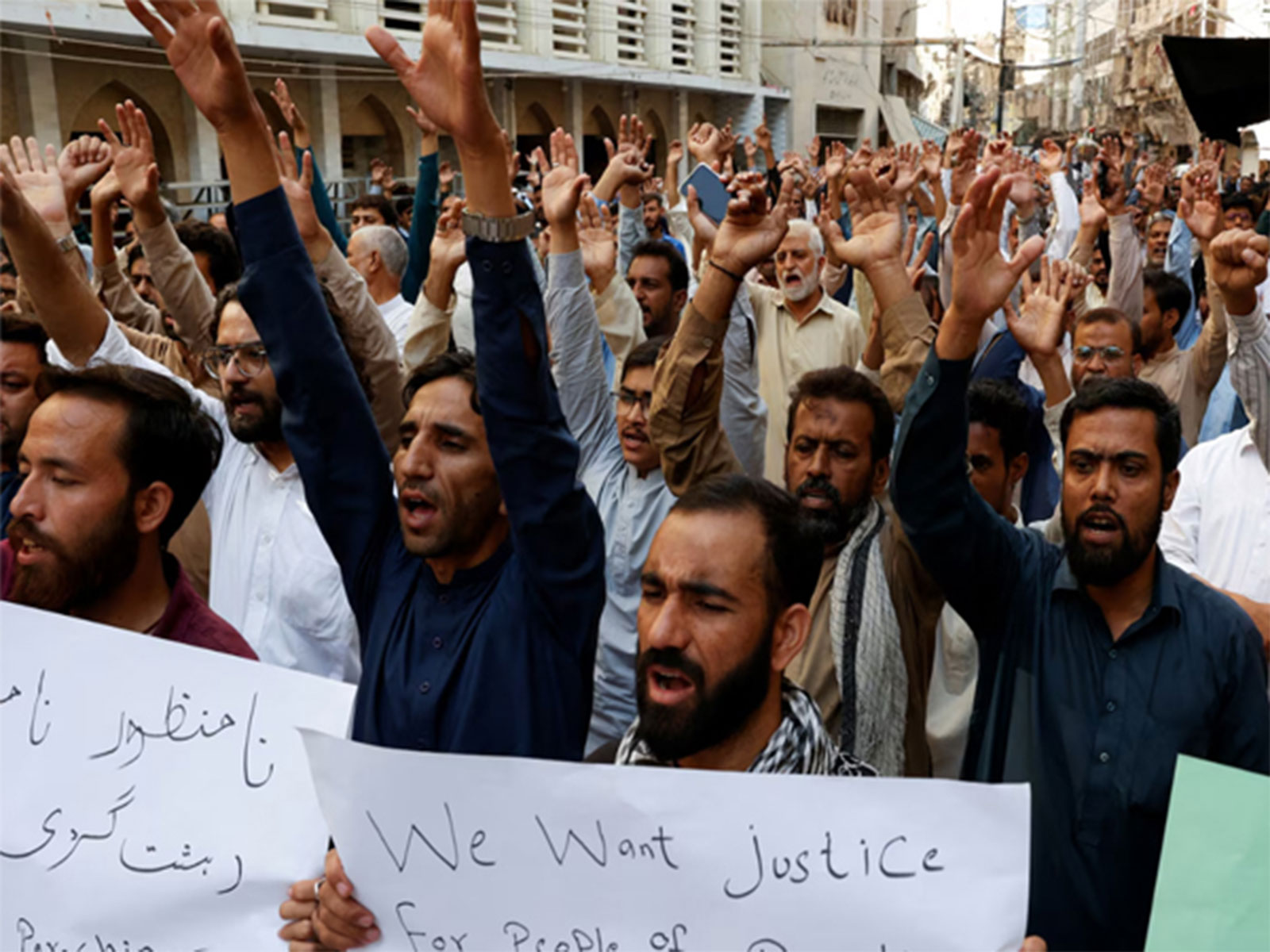
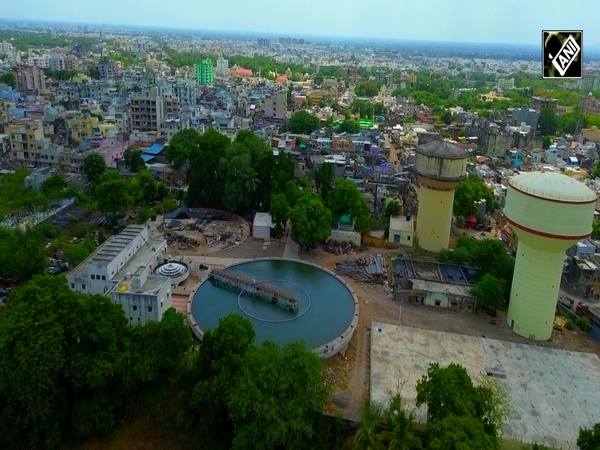
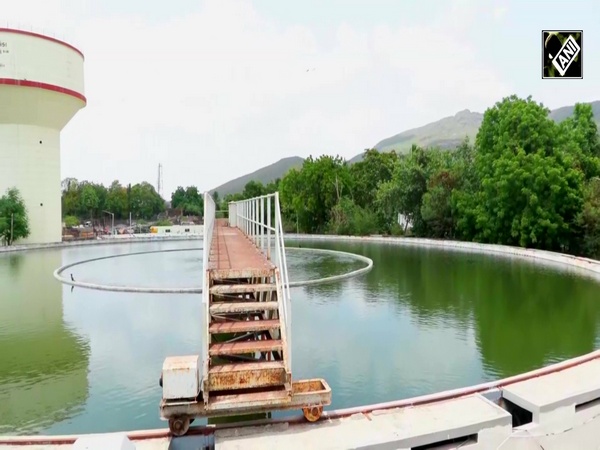
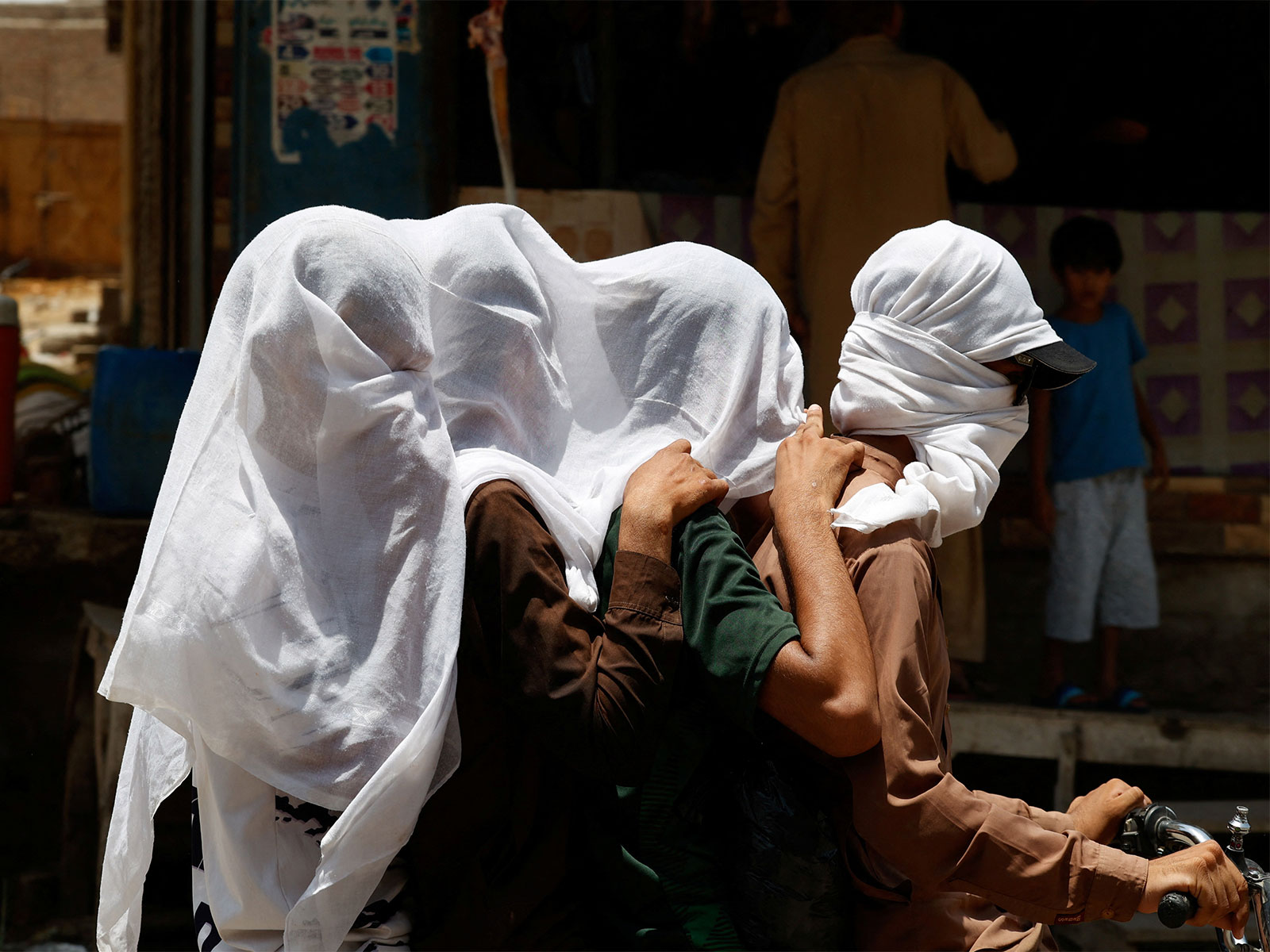
The administrative failure in Karachi has further intensified the crisis, where the city recorded its highest temperature of the year at over 44 degrees Celsius. Residents in the financial hub are battling extreme heat alongside severe water shortages caused by damaged infrastructure and aggressive power cuts by K-Electric.
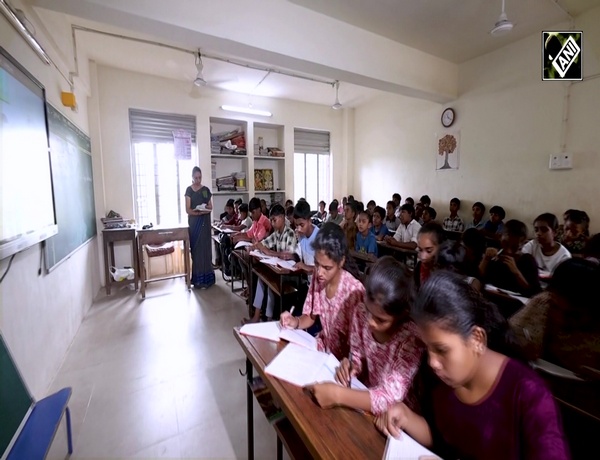
Directives have been issued to provincial and district bodies to initiate public awareness drives regarding the risks associated with heatwaves. Dawn noted that educational authorities have been told to implement safety protocols for students, including potential school closures, to prevent exposure to the sweltering conditions.
Emergency guidelines mandate the pinpointing of "high-risk areas" and the setting up of specialised treatment centres stocked with medical supplies and water.
The Ministry of National Health Services has been urged to boost hospital capacity to handle the surge in heat-related cases. Dawn reported that authorities have also been tasked with stockpiling essential supplies, such as oral rehydration salts, electrolyte drinks, and cooling aids at strategic points.
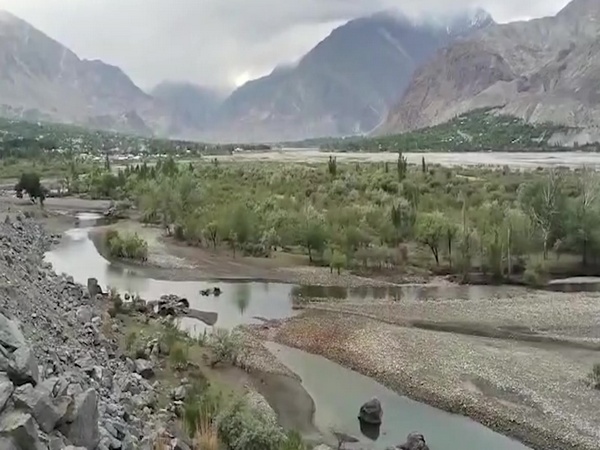
In the northern regions, the NDMA warned that the heatwave could lead to "Glof incidents" in glaciated areas, requiring constant monitoring by disaster management cells in Khyber Pakhtunkhwa and Gilgit-Baltistan.
Forest departments and emergency responders remain on high alert for potential urban and forest fires. Furthermore, Dawn highlighted that control rooms are to be established for coordination, with a focus on providing shelter and hydration to the homeless and other vulnerable groups.
Agricultural departments have advised farmers on water management and wheat harvesting schedules. On an individual level, citizens are encouraged to stay hydrated and avoid sunlight during the peak window of 10 am to 5 pm.
Protective measures, including the use of sunscreen and lightweight clothing, are being promoted. Health officials have warned that individuals experiencing dizziness or nausea should seek medical attention immediately.