Hegseth says US blockade in Strait of Hormuz is "very much still in place"
May 30, 2026
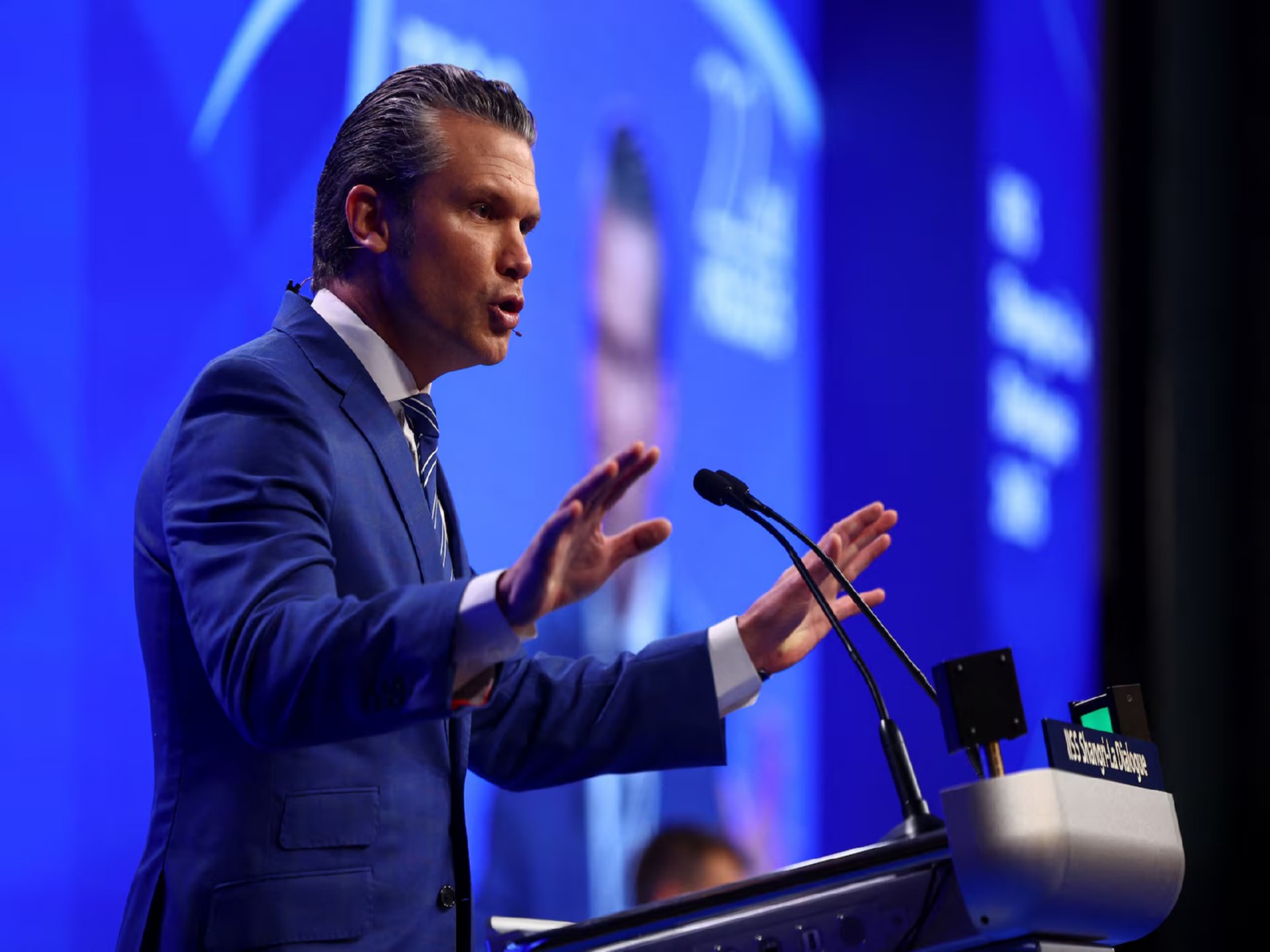
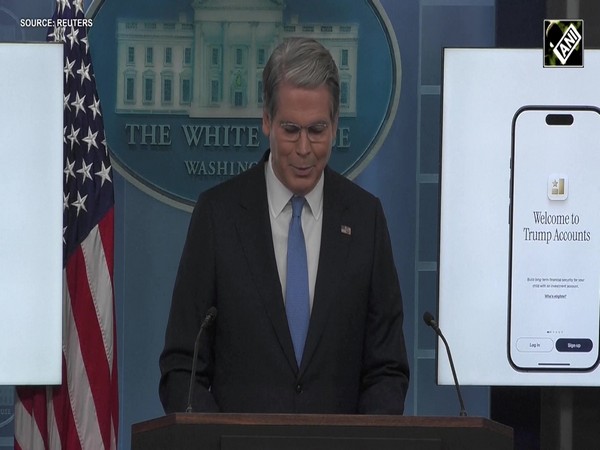
Singapore, May 31 : US Secretary of War Pete Hegseth has stated that the American naval blockade in the Strait of Hormuz is "very much still in place", even as President Donald Trump evaluates a ceasefire extension with Iran designed to reopen the vital energy corridor.
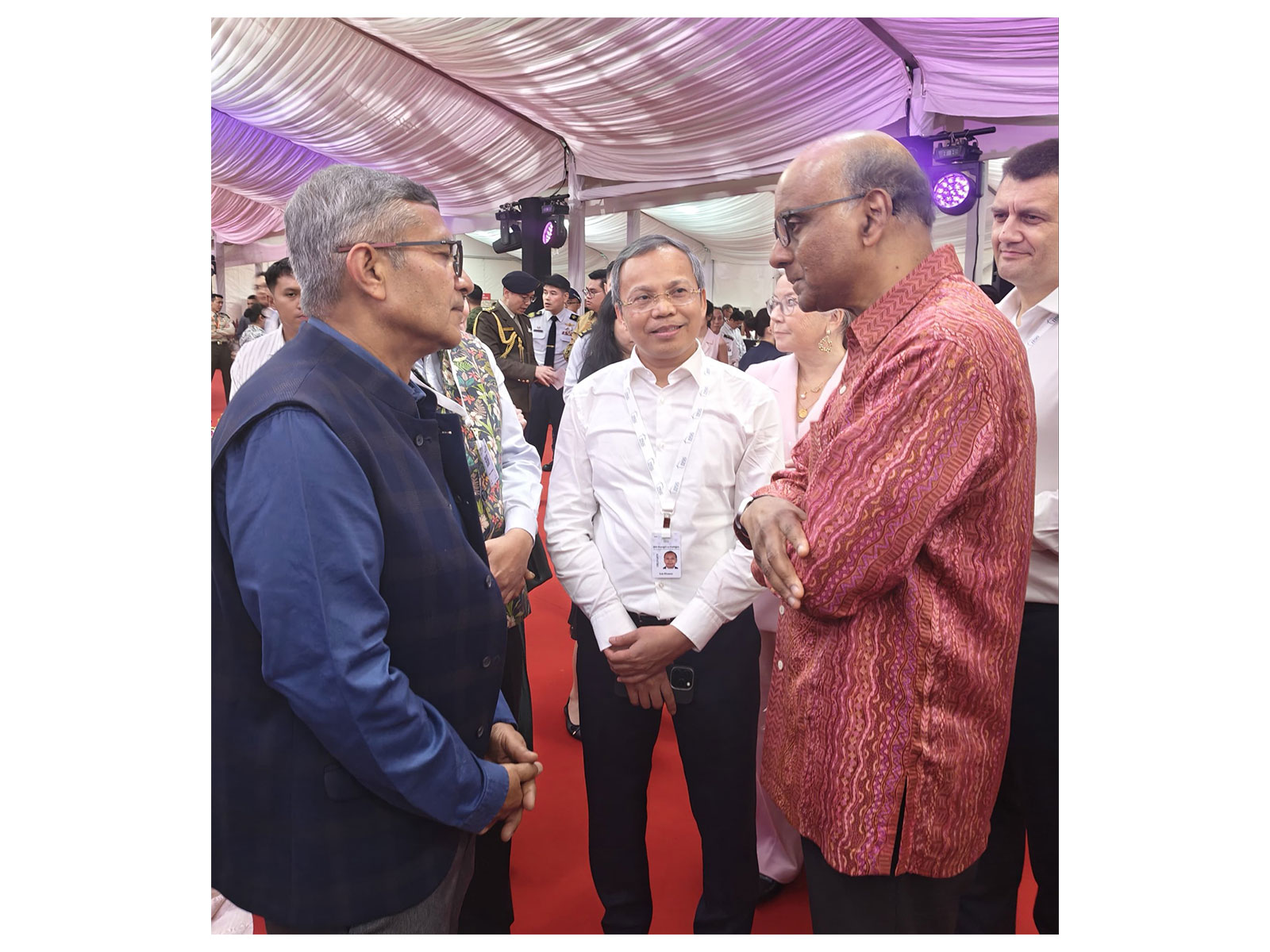
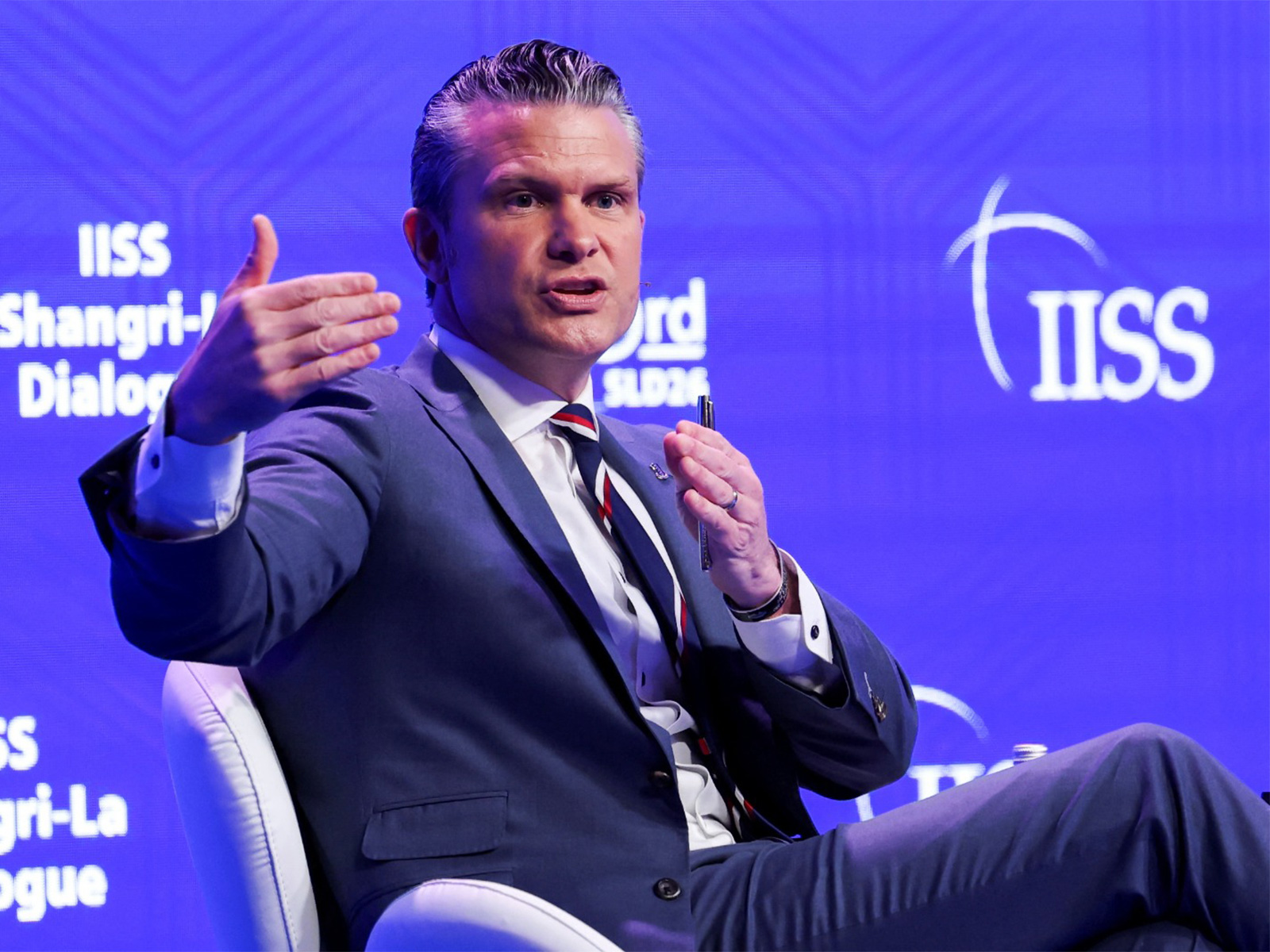
Speaking on Saturday, Hegseth noted that the extended closure of the strategic waterway "came up relatively often" during his consultations with international leaders at the Shangri-La Dialogue security summit in Singapore.
"Usually, once we talked through it, countries were reassured that the American perspective accounted for that, which it did from the beginning," Hegseth remarked. He further observed, "And that also our view toward energy, I think, will reshape the global map."
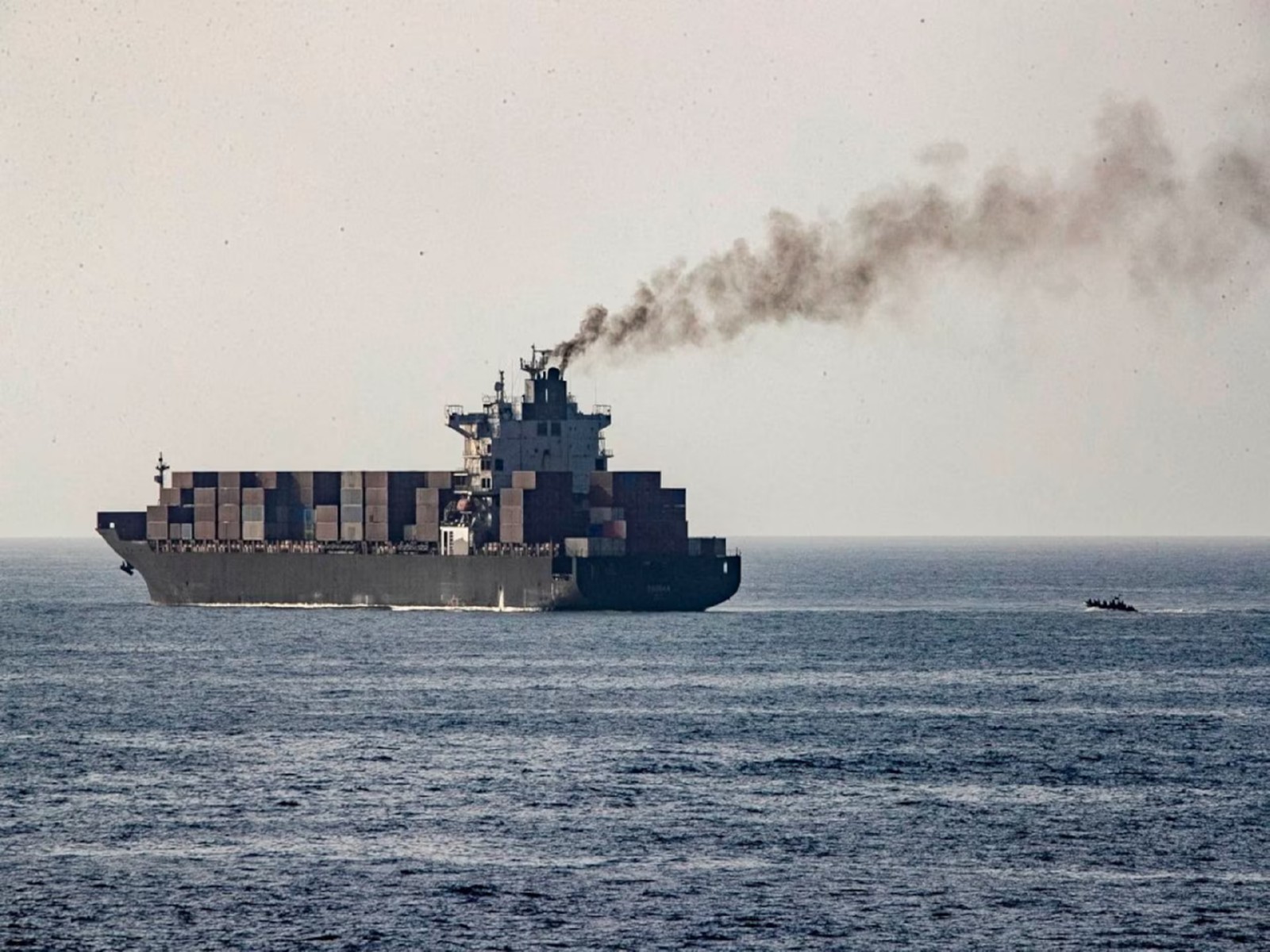
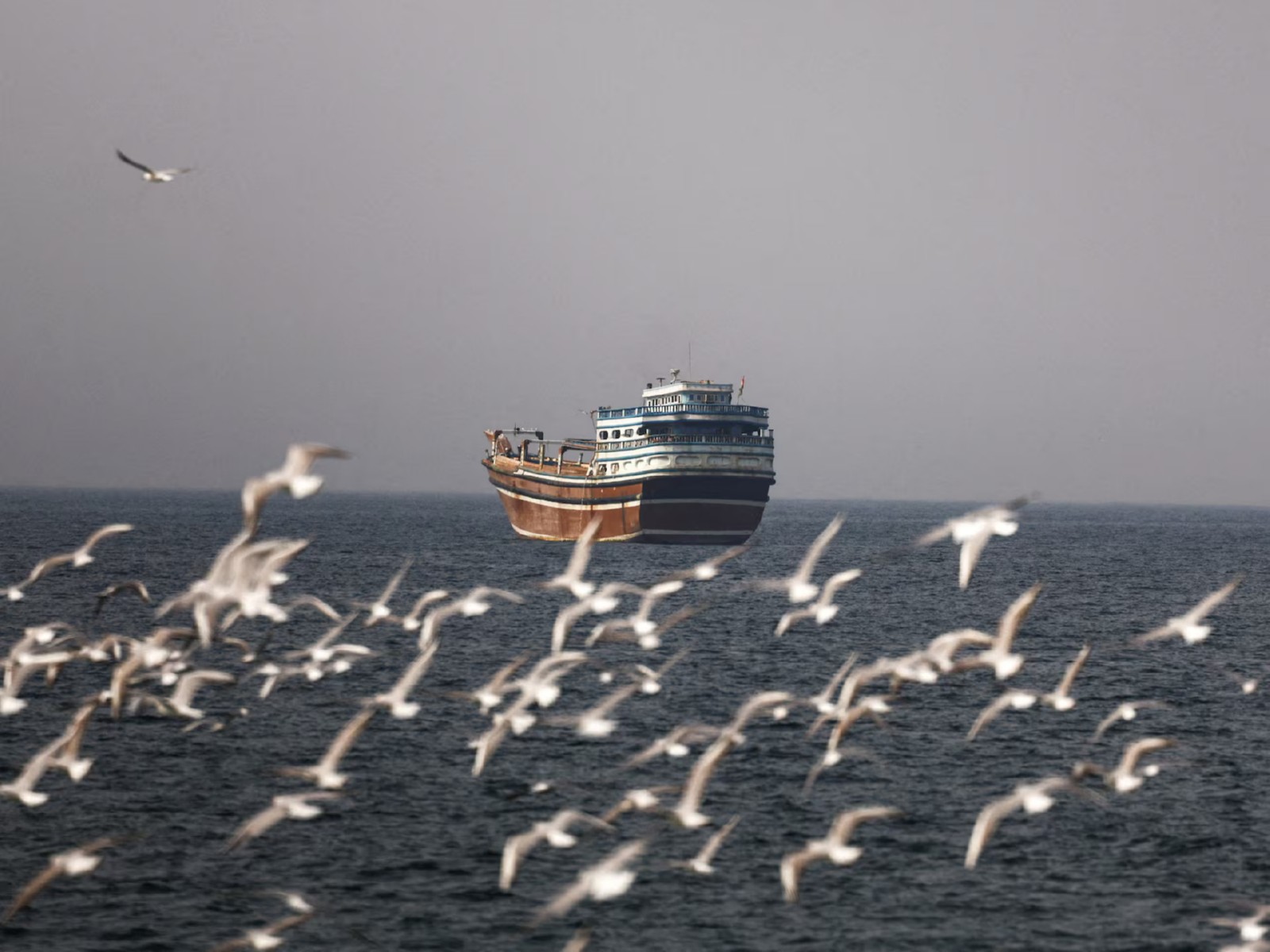
The strategic strait rapidly turned into a primary flashpoint of the hostilities. Iranian constraints enforced during the opening phase of the conflict heavily obstructed commercial shipping traffic along a route responsible for moving approximately one-fifth of the global oil supply.
In response, the United States enforced its own blockade. The American naval operation has turned around more than 100 commercial vessels and disabled four since it was implemented in mid-April.
The intense battle for control over the maritime passage has served as a central friction point in diplomatic talks between Washington and Tehran, triggering global warnings regarding the severe economic strain.
"Recent tensions along strategic maritime routes in the Middle East remind us that a single flashpoint can rapidly disrupt trade, energy supplies, logistics and socio-economic life across the globe," Vietnamese leader To Lam stated during his keynote speech at the Singapore security conference.
Re-establishing unrestricted navigation through the Strait of Hormuz remains a core prerequisite of a tentative framework brokered between the opposing sides this week, which intends to prolong the unstable ceasefire for an additional 60 days.
The memorandum of understanding (MOU) stipulates a commitment from Tehran ensuring it will not impose tolls on ships transiting the strait. Furthermore, the agreement mandates the clearance of all remaining maritime mines from the channel within a 30-day window.
According to US sources, the Trump administration would respond to Iran relaxing its restrictions by agreeing to systematically dismantle its naval blockade. However, neither government has formally ratified the agreement.
"It will be an open strait, a toll-free strait that the entire world can use, which is the way it should be," Hegseth informed journalists.
President Trump confirmed on Friday that he was convening a session in the White House Situation Room to reach a "final determination" regarding the memorandum, though the two-hour briefing concluded without an official update.
In a detailed social media statement published that morning, the US President asserted that Iran must pledge never to acquire a nuclear weapon. He added that the Strait of Hormuz must be "immediately open, no tolls, for unrestricted shipping traffic, in both directions."
"All water mines (bombs), if any, will be terminated (we have removed, through detonation, numerous such mines with our great underwater mine sweepers)," Trump stated. He noted that "Iran will complete the immediate removal and/or detonation of any mines that are left, which will not be many!)."