Himachal CM Sukhu inaugurates first state-run women's de-addiction centre; vows crackdown on drug mafia
Jun 08, 2026
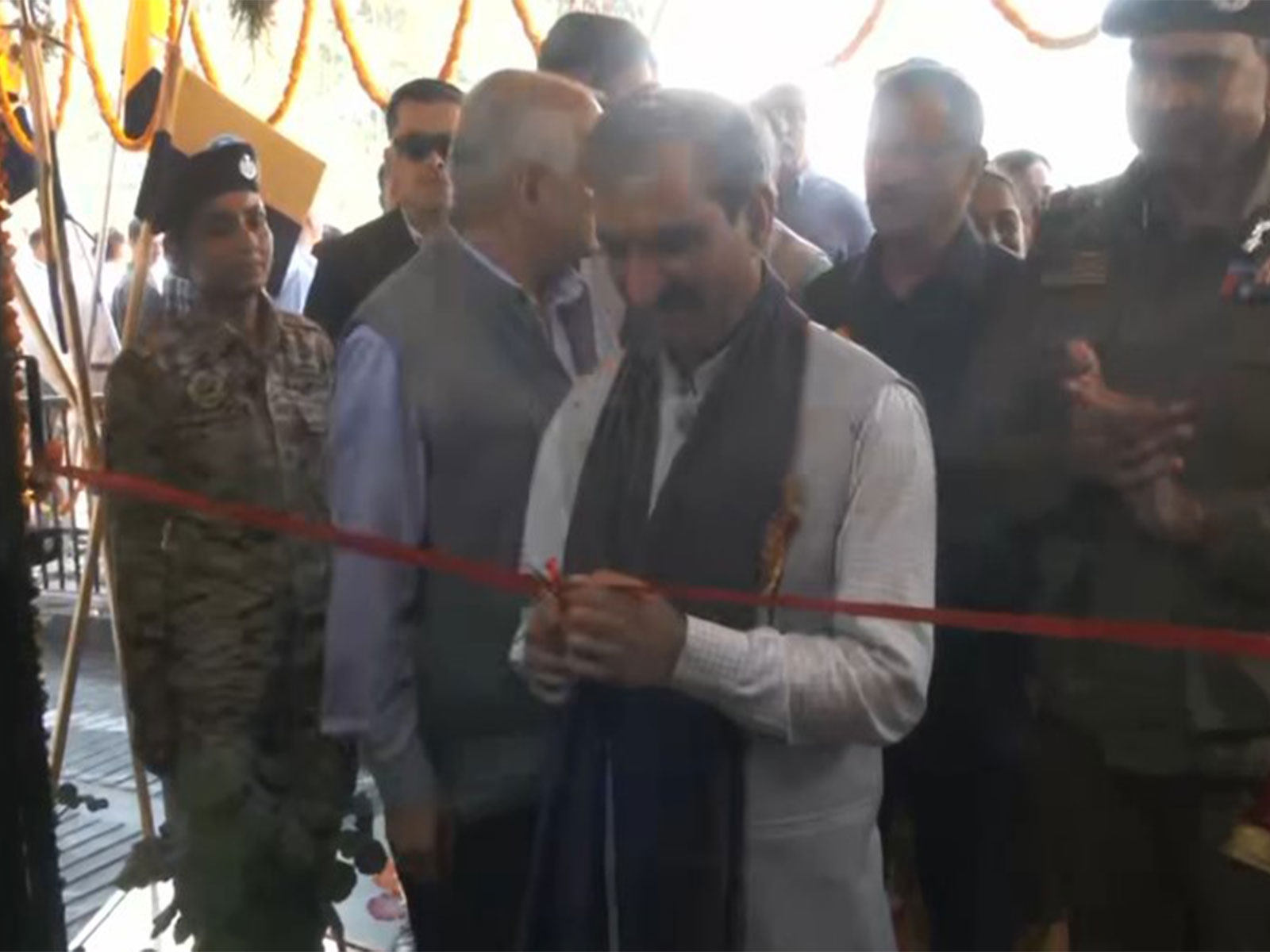
Shimla (Himachal Pradesh) [India], June 8 : Himachal Pradesh Chief Minister Sukhvinder Singh Sukhu on Monday inaugurated the state's first government-run de-addiction and rehabilitation centre for women, describing it as a major step in the government's ongoing campaign against drug abuse and organised narcotics networks in the state.
The facility, established under the "Navjeevan" initiative, has been designed to provide rehabilitation, counselling and social reintegration support to women struggling with drug addiction while ensuring complete confidentiality and protection from social stigma.
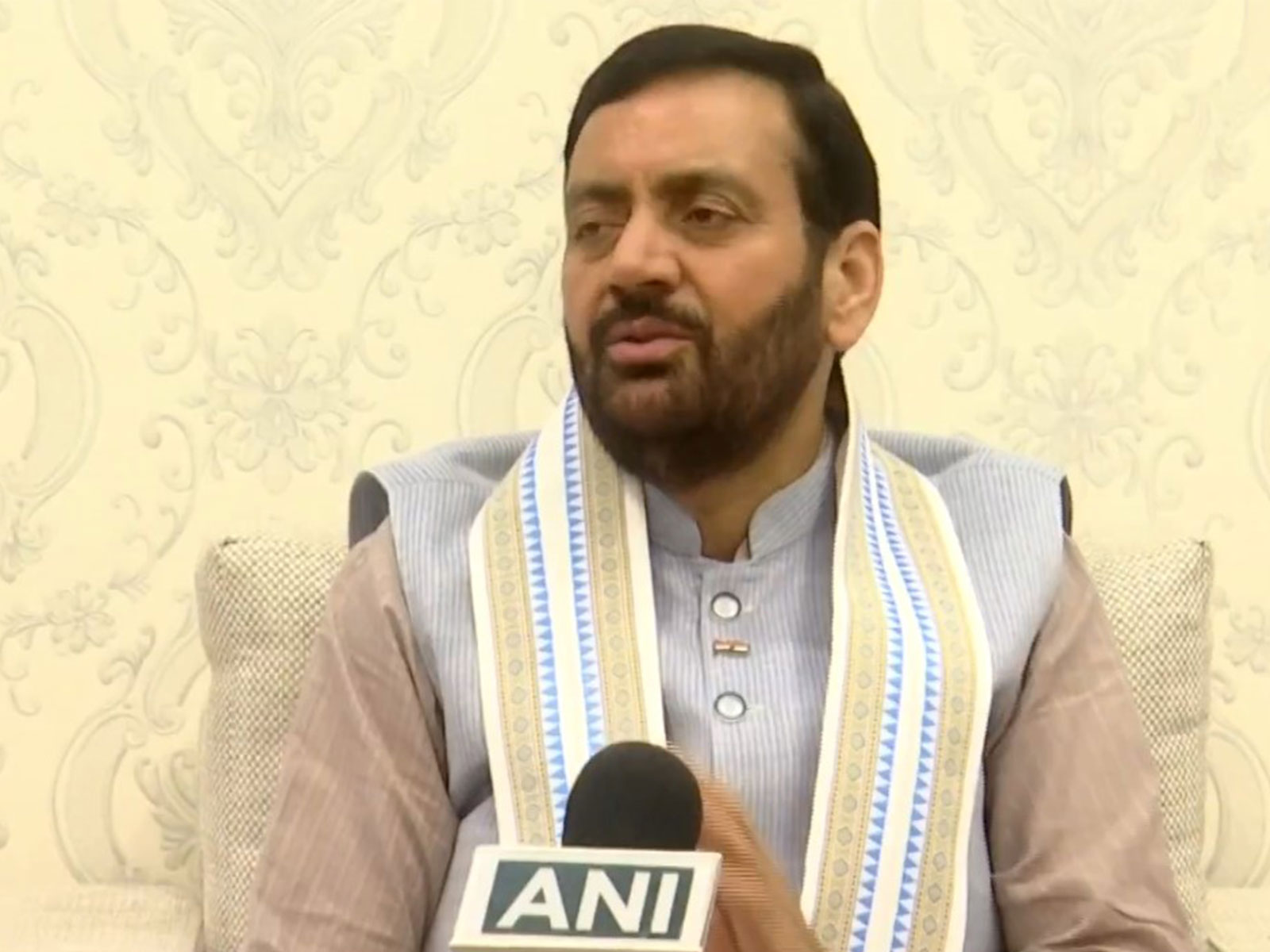
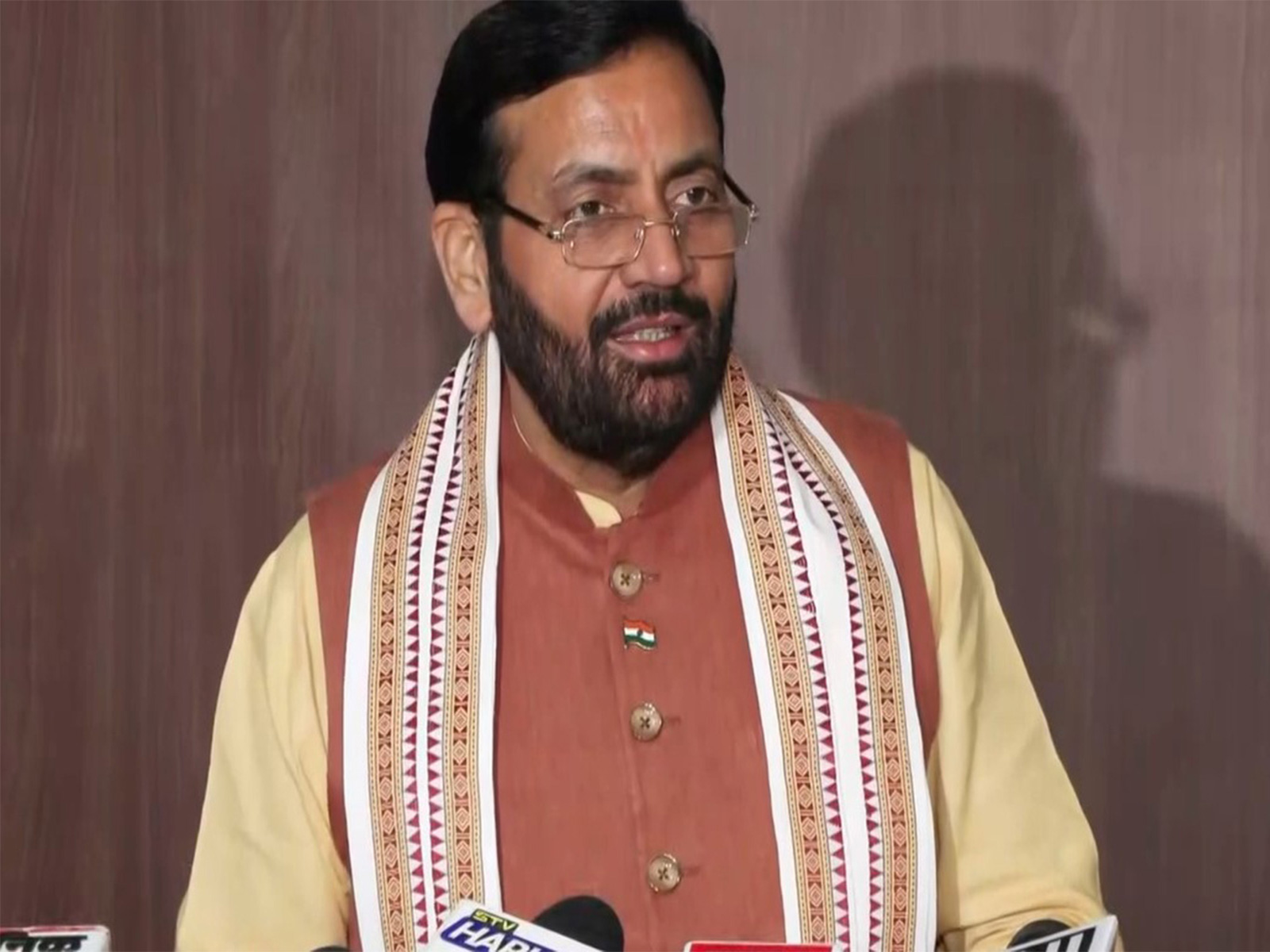
Speaking to reporters after inaugurating the centre, Sukhu said the government had taken the decision after extensive consultations and careful consideration of the unique challenges faced by women suffering from substance abuse.
"This is the first government-run de-addiction centre dedicated to women involved in drug abuse. We felt it would not be appropriate to house women in facilities meant for men. Many women do not wish to disclose their identity due to social stigma and fear of humiliation. Therefore, special arrangements have been made to protect their privacy and dignity," he said.
The Chief Minister said the police department had been entrusted with operating the facility while ensuring that the identity of beneficiaries remains protected.
He noted that while medical treatment for addiction was available through institutions such as Indira Gandhi Medical College (IGMC), Shimla, there had been a significant gap in the rehabilitation process after treatment.
"After receiving treatment at IGMC, many families did not know how to rehabilitate recovering addicts and bring them back into the mainstream of society. This centre will provide that support through counselling, rehabilitation and social integration programmes," Sukhu said.
He announced that the state government has already approved the establishment of another de-addiction and rehabilitation centre at Dr Rajendra Prasad Government Medical College, Tanda, in Kangra district.
"The next centre will come up at Tanda and will cater to all categories of patients. The Cabinet has already taken a decision in this regard," he added.
Highlighting the growing concern over drug abuse, the Chief Minister said preliminary assessments suggest that women account for nearly 12 per cent of identified drug abuse cases in the state.
He further revealed that around 15 to 16 addiction-related cases are being reported daily at IGMC, indicating the seriousness of the problem.
Sukhu said the government's anti-drug campaign is based on a two-pronged strategy focused on the rehabilitation of addicts and strict action against organised drug traffickers.
"There are many young people who have become victims of addiction despite belonging to respectable and ordinary families. They need support and an opportunity to return to normal life. Our first responsibility is to help them recover and become part of society again," he said.
At the same time, he warned that the government would intensify its crackdown on those running drug trafficking networks.
"There are people who have turned the drug trade into a business and amassed huge wealth through it. They exploit vulnerable individuals and use them as couriers. Our effort is to dismantle these networks and break the backbone of the drug mafia," the Chief Minister said.
He asserted that the state government would not spare those who had accumulated assets through proceeds generated from narcotics trafficking.
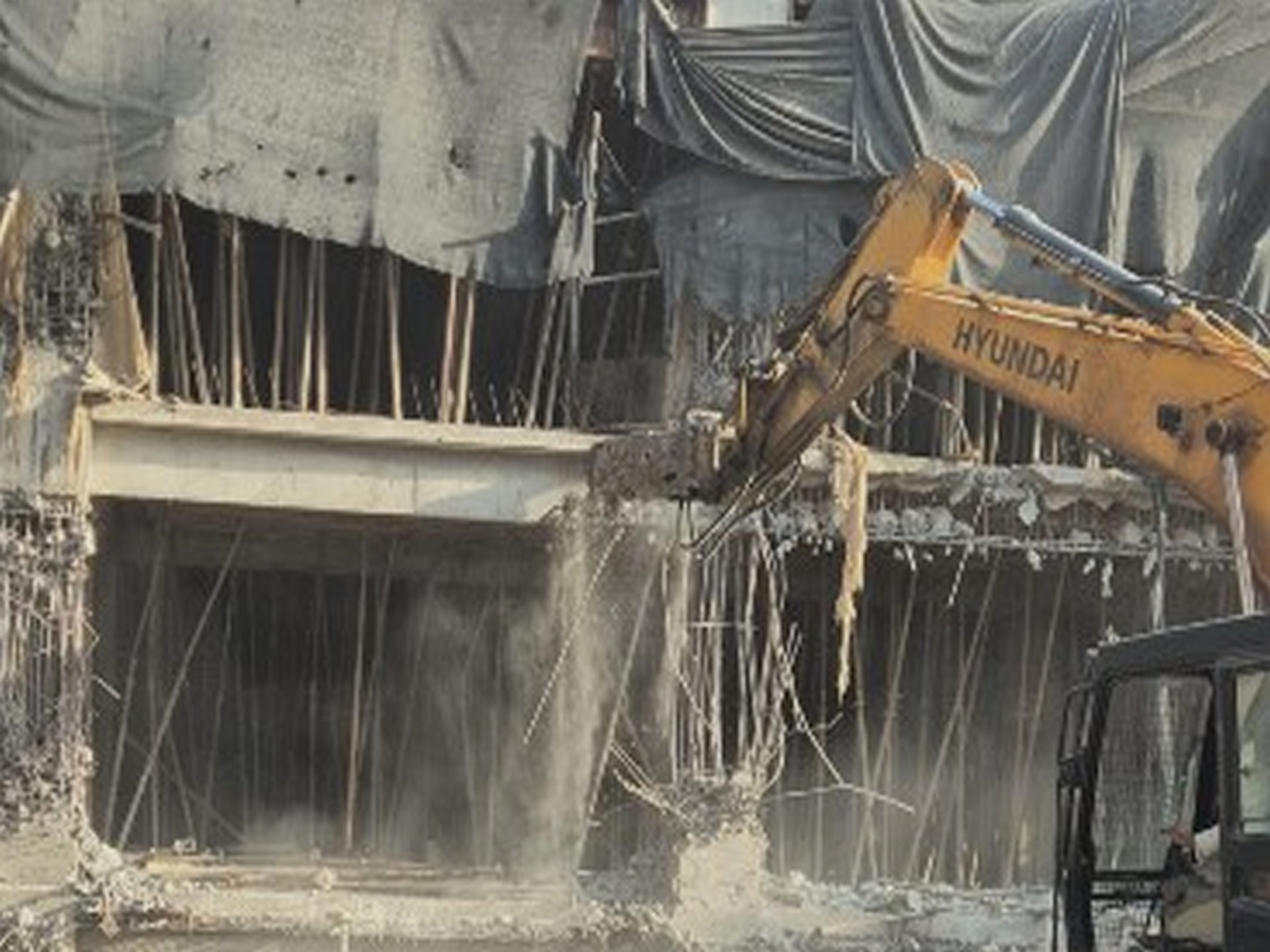
"Wherever properties have been created using money earned from the chitta trade, those properties will be demolished. Action against drug mafias and their financial networks has already begun," he said.
Responding to questions regarding the role of the police in running the rehabilitation facility, Sukhu said addiction-related rehabilitation could not be viewed solely as a health department responsibility.
He explained that severe withdrawal symptoms often require close supervision and specialised handling.
"When drug-dependent individuals do not receive the substance they are addicted to, they can experience extreme distress and behavioural instability. Therefore, police involvement is necessary. Medical treatment will be provided by doctors, but rehabilitation and monitoring require coordinated efforts involving multiple departments," he said.
The Chief Minister said the Social Justice and Empowerment Department would continue to play an important role in the initiative, while healthcare professionals would remain available for treatment and counselling.
During the interaction, Sukhu also criticised the growing tendency of groups to block roads during protests and demonstrations.
He said democratic societies provide several institutional mechanisms for resolving grievances and that public inconvenience should be avoided.
"No one should take the law into their own hands. People have every right to protest and present their demands, but blocking roads creates hardship for patients, schoolchildren, working people and families. Issues should be resolved through dialogue, elected representatives, administrative authorities and courts," he said.
The inauguration of the women's de-addiction and rehabilitation centre forms part of the Himachal Pradesh government's broader campaign against narcotics abuse, which combines rehabilitation measures for addicts with aggressive enforcement action against drug traffickers and organised criminal networks involved in the illicit trade. This version follows a detailed wire-service format with background, policy context, multiple quotes and clear news structure.