Public awareness, effective legislative leadership essential to address future challenges: Haryana CM
Jun 08, 2026
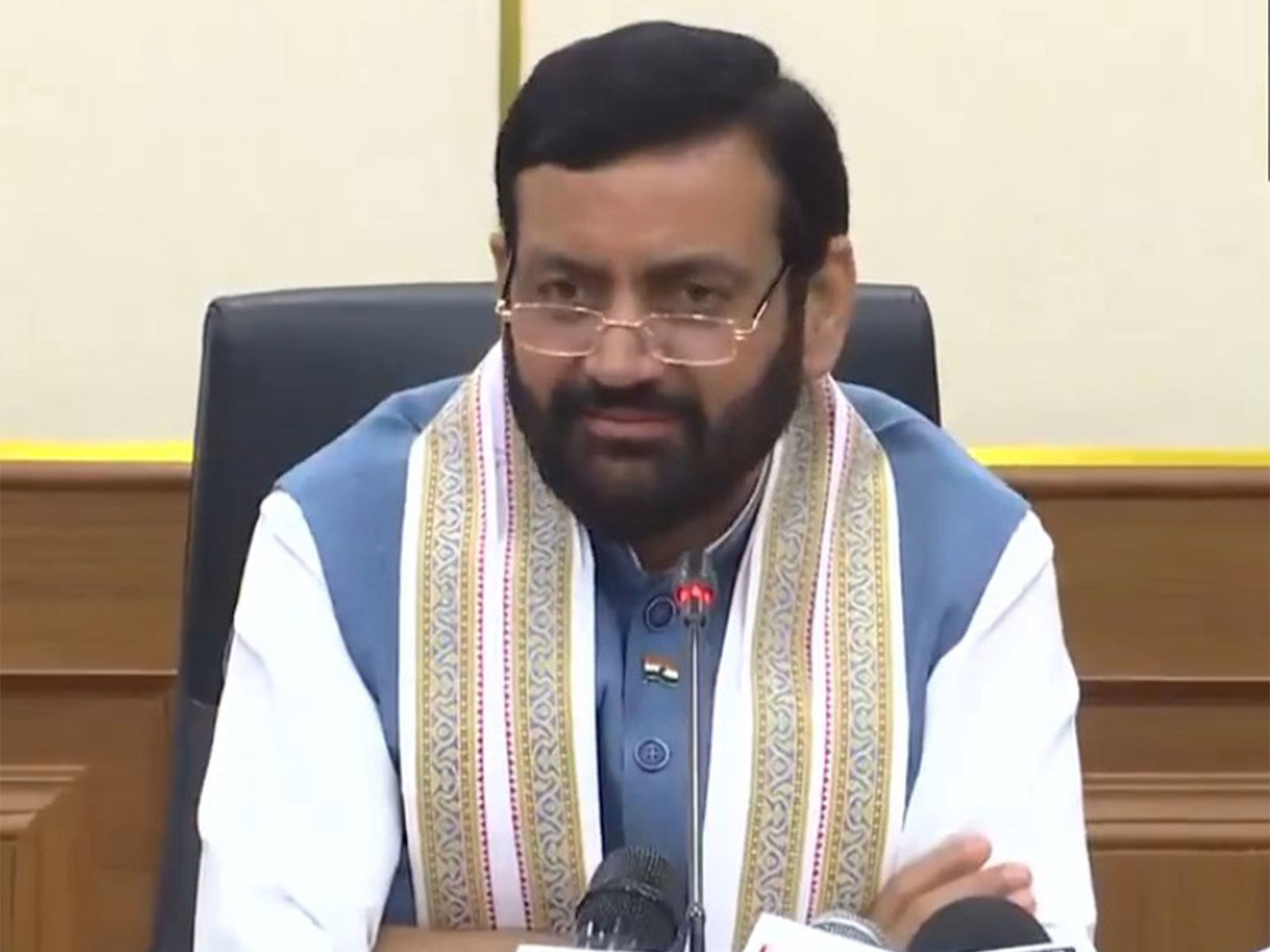
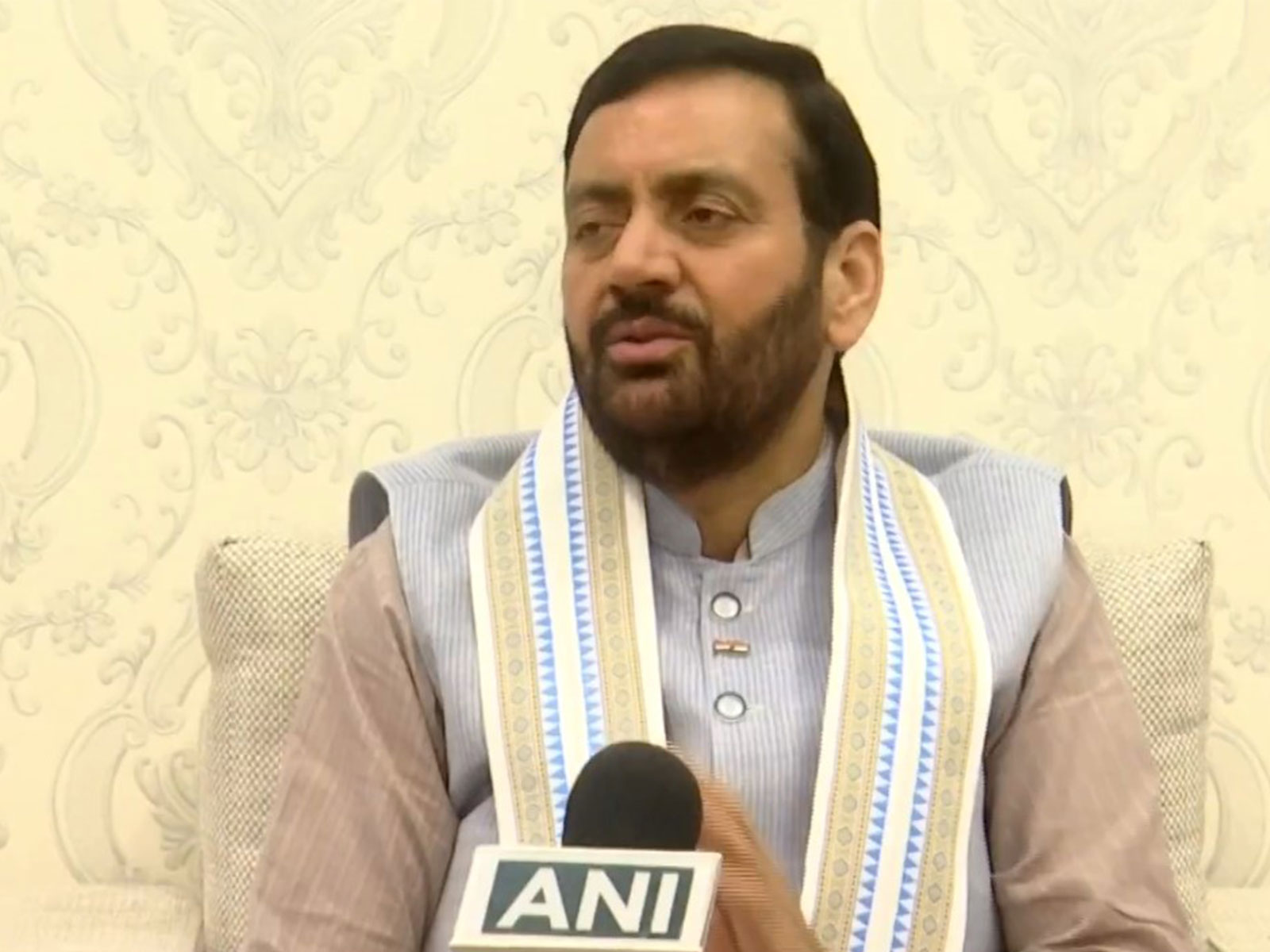
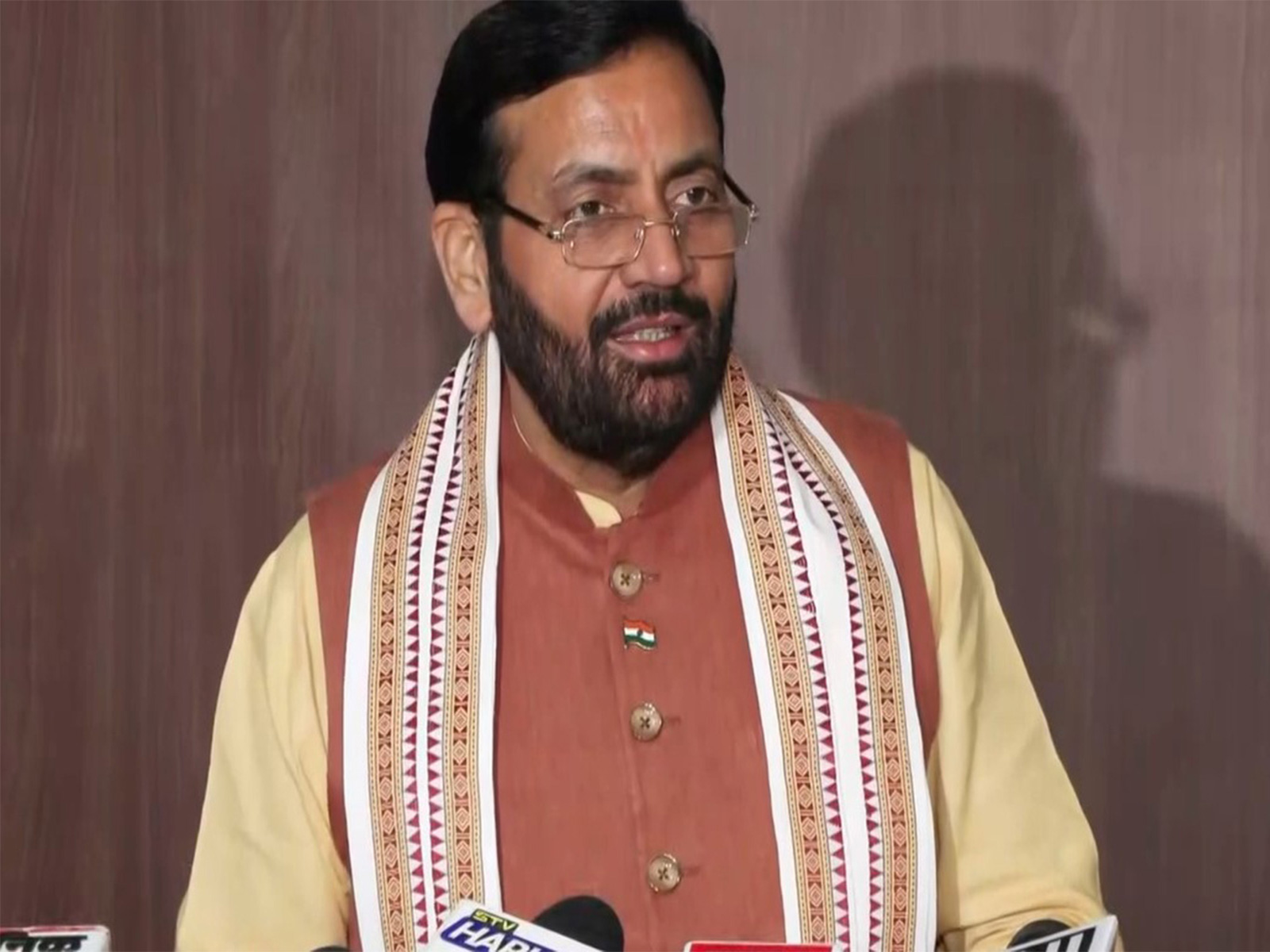
Chandigarh [India], June 8 : Haryana Chief Minister Nayab Singh Saini on Monday said that emerging challenges such as Artificial Intelligence (AI), cybersecurity, climate change, rising energy demands, global competition and social inequalities require not only administrative responses but also public awareness, social participation and strong legislative leadership.
Addressing the inaugural session of the three-day conference of the
), India Region, Zone-II, being hosted by the Haryana Vidhan Sabha, the Chief Minister said that the world is undergoing an unprecedented transformation and that democratic institutions must continuously evolve to effectively address the challenges of the future.
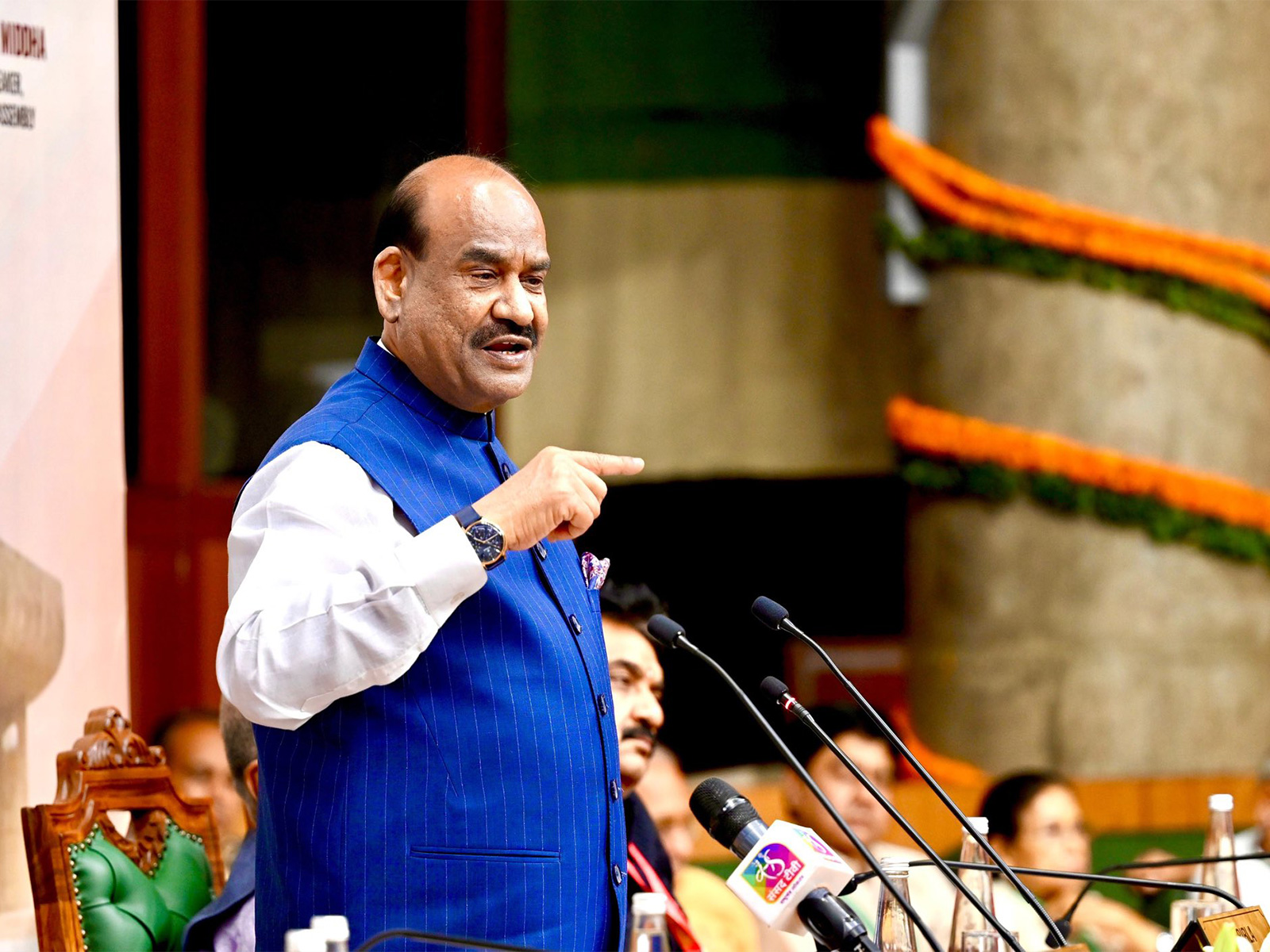
The conference was inaugurated by Lok Sabha Speaker Om Birla. Deputy Chairman, Rajya Sabha Harivansh and Haryana assembly Speaker Harvinder Kalyan were among those present.
The three-day conference is being attended by Presiding Officers, including Chairmen, Speakers, Deputy Chairmen and Deputy Speakers, MLA/MLCs from the five Legislatures of CPA India Region Zone-II and Union Ministers, Members of Parliament, former Speakers and Deputy Speakers of Haryana Vidhan Sabha.
A special documentary showcasing Haryana's rich history and heritage was screened during the inaugural event.
The Chief Minister described the conference as a proud moment for the state. He said that the Haryana Vidhan Sabha is not merely an institution but a living symbol of democratic heritage that has witnessed six decades of public aspirations, meaningful debates and historic decisions that have shaped the state's development journey.
Recalling Haryana's remarkable progress since its formation in 1966, Saini said that despite initial apprehensions regarding its size and resources, the state transformed challenges into opportunities through determination, hard work and resilience. Referring to Haryana's historical and spiritual legacy, he said it was on the sacred land of Kurukshetra that Arjuna received the timeless message of selfless duty, a principle that continues to inspire the state's spirit of perseverance and nation-building.
According to a release, he said that over the past six decades, Haryana has consistently remained at the forefront of nation-building, making significant contributions in agriculture, sports, defence services, industry and social transformation, while inspiring the nation through its achievements.
The Chief Minister said that the theme of the conference is 'Role of Aware Society and Legislators in Realizing Future Challenges and Goal of Viksit Bharat 2047 ' is highly relevant in the present context. He said that Prime Minister, Sh. Narendra Modi's vision of transforming India into a developed nation by 2047 is not merely a policy objective but a national mission that provides direction to the aspirations of 140 crore Indians.
He emphasized that the goal of a developed India cannot be achieved by governments alone. It requires active participation from an aware society, dedicated public representatives and responsible citizens. Policies and decisions must ensure that the benefits of development reach the last person in society. The vision of Viksit Bharat encompasses not only economic prosperity but also self-reliance, technological advancement, environmental responsibility, social justice and strong democratic values.
The Chief Minister said that Haryana has embraced the vision of Viksit Bharat @2047 not merely as a slogan but as a collective commitment. He said that the state government has translated this vision into action through concrete initiatives aimed at preparing Haryana for the future.
Highlighting one such initiative, he said that the establishment of the Department of Future in 2025 marked a unique and pioneering step in the country. The department reflects the government's resolve to proactively prepare for future challenges rather than postponing them for the next generation. The policies, reforms and priorities that will define Haryana in 2047 are being shaped today, he added.
Saini further said that the Haryana Government has prepared the Haryana Vision Document-2047 in alignment with the national vision of Viksit Bharat. Unveiled by Union Home Minister Amit Shah on December 24, 2025, the document serves as a comprehensive roadmap for the state's development over the next two decades.
He said that the government has set an ambitious target of transforming Haryana into an economy exceeding one trillion US dollars with a per capita income of more than Rs. 40 lakh by 2047. All departments have been directed to formulate clear short-term and long-term goals to ensure planned development, measurable outcomes and timely implementation.
The Chief Minister said that the government has also constituted the Arjun Special Purpose Vehicle (SPV), the Foreign Cooperation Department and the Haryana Innovation Forum to integrate Artificial Intelligence and emerging technologies into governance and development. Through collaboration among government, industry, educational institutions and start-ups, Haryana is steadily moving towards becoming an innovation-driven state.
Describing the journey towards Viksit Bharat as a people's movement rather than merely a government programme, he said that the real strength of any transformative movement lies in its elected representatives.
The Chief Minister said Haryana has already recognised that legislators and public representatives will play the most important role in achieving the vision of a developed state. The blueprint for a 'Viksit Vidhan Sabha' can only be drawn by those who understand the needs, aspirations and challenges of their constituencies at the grassroots level.
To strengthen this process, the state government has decided to organise a special Chintan Shivir for all Members of the Haryana Legislative Assembly. He said the exercise would not be a routine meeting but a platform for meaningful reflection and policy dialogue, where legislators would discuss constituency-specific challenges, potential solutions, public expectations and the roadmap for building a developed constituency and a developed state.
Calling upon participants to think beyond present-day concerns, he urged them to deliberate not only on current issues but also on emerging challenges that will shape the future. Given the rapid pace of change across the world, he said, strengthening the foundations of tomorrow has become an urgent necessity.