Hormuz vessel transits hit two-week high as LNG tanker traffic resumes: S&P Global
Jul 31, 2026
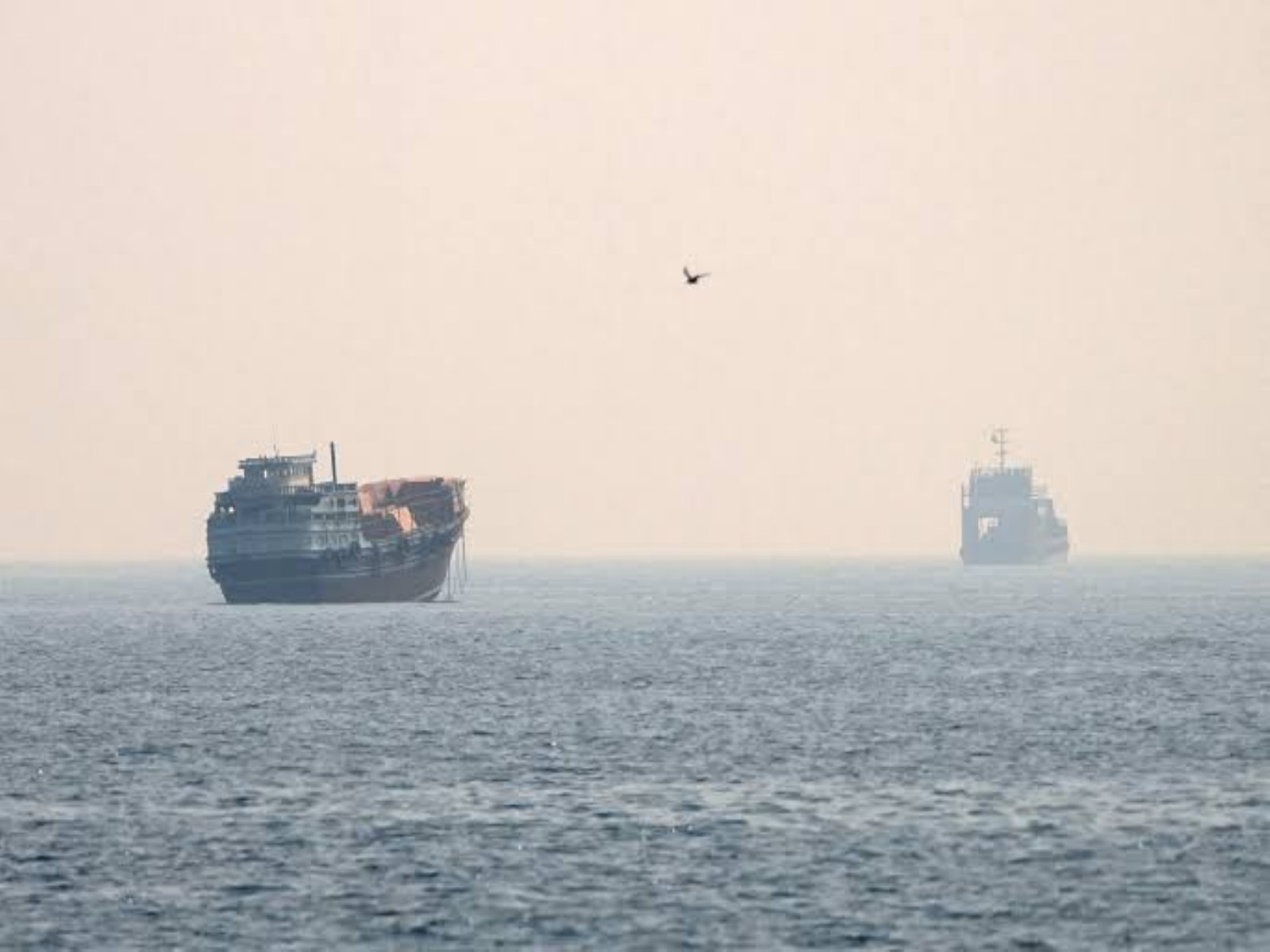
New Delhi [India], July 31 : Vessel movements through the Strait of Hormuz rose sharply on July 29, reaching their highest level in two weeks as LNG tanker traffic resumed after a gap of more than two weeks, according to an S&P Global report.
The report, said vessel transits through the strategic waterway increased to 28 on July 29, marking the highest daily count since July 14, when 35 vessels crossed the strait following the reimposition of the US naval blockade on Iran-linked shipping.
According to the report, "Vessel transits through the Strait of Hormuz surged to 28 on July 29, amid a slew of dark transits and the first known LNG tanker crossings in more than two weeks."
Iran-linked vessels accounted for 60 per cent of the total movements on July 29, lower than the 68 per cent average recorded during the second half of July. Traffic included seven landing craft, five bulk carriers, six product tankers, two LNG tankers, two LPG tankers, two container ships, two cargo ships and two tugs. Fifteen vessels entered the Gulf, including seven operating without visible AIS signals.
Shipping activity through the US naval blockade line also recovered, with 39 vessels recorded on July 29 compared with 25 a day earlier. Of these, 22 vessels crossed inbound toward the Gulf of Oman, including the US-sanctioned product tanker VOYAGER HAVEN.
The report also highlighted increased activity in the Red Sea. Crossings through the Bab el-Mandeb Strait rose to 39 on July 29 from 34 the previous day, with 18 vessels moving northbound and 21 southbound. However, only three vessels were known to have called at or been bound for Saudi Arabian Red Sea ports, while dark activity appeared to be increasing, particularly among Saudi-owned vessels disabling AIS transmissions while transiting the Gulf of Aden.
S&P Global further noted that four very large crude carriers (VLCCs) recently headed to Egypt's Sidi Kerir terminal via the Suez Canal after loading at Yanbu, while at least six more VLCCs were believed to be heading toward Sidi Kerir from the Middle East Gulf and Asia or diverting via the Cape of Good Hope.
The report said the growing concentration of VLCCs at Sidi Kerir was significant because most fully laden VLCCs cannot transit the Suez Canal without partial loading or discharge operations, increasing voyage complexity and costs.